
Fixing E-waste: The Fastest-Growing Waste Stream Now Demands Action
E-waste: The Fastest-Growing Waste Stream and How to Fix It explores rising device waste, broken systems, and easy actions that communities and companies can start using now.

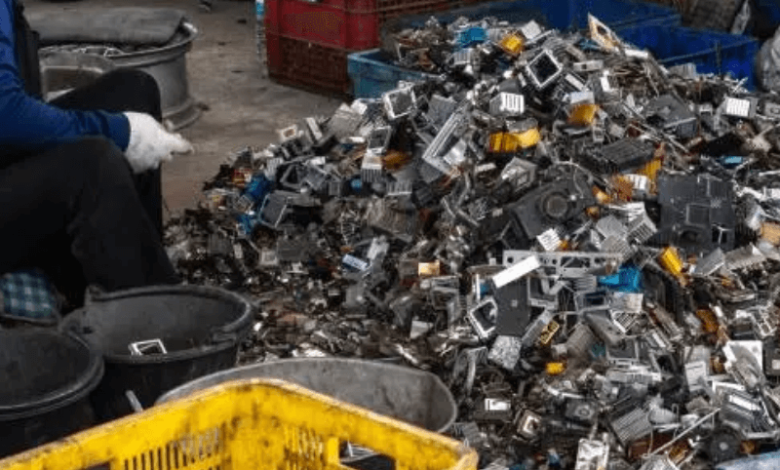
Tech upgrades feel clean. E-waste is not. Old phones, chargers, earbuds, laptops, and smart appliances are piling up faster than collection systems can handle. The Global E-waste Monitor reports 62 million tonnes generated in 2022 and projects 82 million tonnes by 2030. Only 22.3% was formally collected and recycled.
This is not only a landfill issue. It is a public-health and resource issue, because toxic leakage grows while copper, gold, cobalt, and rare elements are thrown away instead of recovered materials.
Why The Problem Is Growing And What Is Actually Working
Three drivers keep feeding the pile: shorter product life cycles, design choices that block repair, and weak take-back infrastructure. Policy momentum is real, but uneven. In the EU, common charger rules now require USB-C for many new devices, and the European Commission estimates this can cut e-waste by about 980 tonnes per year.
India has tightened e-waste pricing obligations under producer-responsibility rules, and major electronics companies challenged parts of that framework in court during 2025. In research labs, teams in Zurich reported a method to recover rare earths from e-waste more efficiently, showing that better recycling chemistry is moving from theory toward industrial use.
One Shift People Can Start Today
Use a simple rule: buy slower, use longer, return properly. Keep each device one extra year, repair before replacing, and return dead electronics through verified collection or retailer take-back channels only.
Where possible, choose brands that publish repair manuals, spare-part timelines, and battery replacement options.
Official Social Post And External Links
For a quick official update, check UNEP’s X post on e-waste recovery.
FAQs
1) What is e-waste?
E-waste is discarded electrical or electronic equipment, including phones, computers, appliances, chargers, cables, and batteries.
2) Why is e-waste dangerous?
It contains toxic substances, and informal recycling exposes workers and communities to serious health risks.
3) Where should people dispose old electronics?
Return old devices through certified take-back programs, municipal collection centers, or authorized retailer recycling points.
4) Does using devices longer really help?
Yes. Extending device life by one year reduces extraction, manufacturing pressure, shipping emissions, and disposal.
5) What should buyers check before purchase?
Check manufacturer repair support, battery replacement options, spare-part availability, durability ratings, and software update commitments.