
Delhi-NCR Heatwave 2026: Record March Temperatures Signal Early Climate Shift
Delhi-NCR records an unprecedented March 2026 heatwave with temperatures crossing 40°C. Explore causes, impacts, and what this early climate shift means for India.

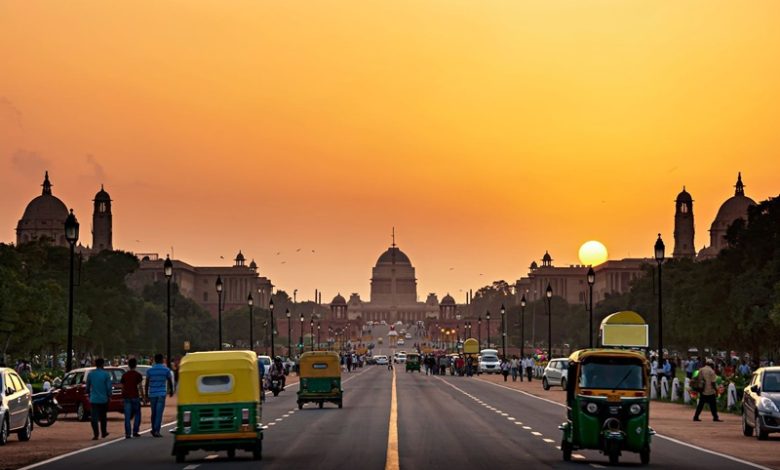
Looking at the temperature of March in the Delhi-NCR Heatwave 2026 it has been acknowledged as one of the most worrying climate phenomena in the entire year as the temperature there was almost equal to what happens during summer. What might have been viewed as a transitional spring month, is now being evolved into an extension of summer, much to the alarm of climate scientists and policymakers. This abnormal increase in the temperature is not just a temporary occurrence but it may be a sign of some shift, which may be long term and profound in the term of regional climatic patterns.
Delhi-NCR History March Temperatures
In March 2026, a few regions of Delhi-NCR registered a temperature of more than 40 degrees Celsius, establishing new heat zones at an early time of the year. This is very unusual because extreme heat is expected in May or June, historically. Night temperatures were also still high with no relief giving people any reprieve and making their lives more difficult. This sudden increase in day time and night time temperatures adds to the fact that there is incidence of a sharp increase in temperatures of Delhi in March which indicates a resultant incursion of the boundaries between seasons.
Causes of the Early Heatwave
The March heatwave India 2026 case study can be explained by the sum of the environmental and atmospheric factors. Climate change is the most eminent factor as the rising global temperatures are inclined to extreme weather events with a high possibility. Other than that, the issue of urban heat island has also been very significant to the problem of increasing temperatures in Delhi-NCR. The sudden urbanization, decline in the green cover, and a lot of concrete structures trap the heat and it does not naturally cool.
The other key is that it does not occur during an era of Western disturbance that would generally introduce rain and cooler weather. This increased number in March 2026 and the frequency of the couple of days in March caused no constraint in the rise of temperatures. Also rising hot dry winds that began in Rajasthan helped in the escalation of the heatwave in the region.
Implication on Community Health
Delhi-NCR Heatwave 2026 has impacted directly and obviously the daily lives. Cases of heatstroke, dehydration, and respiratory complications have risen with an extreme increase in the health risks. At risk are children, elderly people, and other people working outside like those without homes.
Explosion in temperature has also caused a sudden rise in the demand of electricity due to extensive use of air conditioning and cooling systems by households and businesses. This has put an extra strain on the power infrastructure with questions of possible power outages being raised. There is also an increased consumption of water, which has further increased pressure on already limited water resources in the region.
The overall effect of this climatic phenomenon on society is being manifested in the way educational establishments and working places are adapting to extreme heat conditions by altering their time schedules.
Is This a Bleeding Kansas?
The early summer event forecast indicates that there has been a shift in the UAE conventional seasonal arrangement. Specialists suppose that these early heatwaves could occur more often next year. Summer is bound to become longer, but the transitional seasons, including spring, are likely to become smaller.
This trend can be associated with the climate change that has been predicted correctly in the rest of the world and reflects an increase in temperatures and uncertain weather. The present state of affairs in Delhi-NCR can, however, be a niche of a bigger and accountable climate strategy and not an isolated event.
Why Delhi-NCR Is So Vulnerable?
Delhi-NCR has a special environment which predisposes it to extreme heat. The overcrowding of population, the high level of pollution, and high rate of urban development add to the severity of the weather crisis of the NCR. The unavailability of adequate green areas and water bodies also leads to increased deficiency of the natural regulation of temperature with the help of water bodies.
All these structural and environmental elements work together and are forcing them into situations in which potential scrotum temperature changes even in the moderate temperature are devastating consequences.
Ventilatory Prevention and Adaptation
The warning of the Delhi-NCR Heatwave 2026 is an issue that has to be approached on an individual and systemic basis. At individual level, the measures that the residents will need to take are taking precautions like staying hydrated, not venturing outside the compound during the popular times and sufficient indoor coolers.
On a larger scale, the government officials should be empowered in terms of enhancing the strength of heat action plans, enhanced urban planning, and investing in sustainable infrastructure. To an extent this can be by increasing green cover, encouraging energy saving structures and raising awareness among the people as this will make the future solutions to heat waves much more viable.
FAQs
1. What is the cause of the heatwave in March 2026, in the city of Delhi-NCR?
A combination of climate change, weakened Western disturbances, urban heat islands and hot winds in deserts near Delhi-NCR are contributing to an early heatwave.
2. Why is the heat in March 2026 so strange?
The heatwave is odd since the temperatures broke 40 degrees Celsius in March , which should not really be a summer month but a spring month.
3. What is the connection between climate change and this heatwave?
Climate change has heightened the level of global temperatures, allowing extreme weather conditions such as early heatwaves to be readily frequent and intensely felt.
4. What are some of the risk factors of this heatwave?
This is such as heat-related illnesses, strain in electricity requirements, water crisis, and distraction in day- to-day operations.
5. Will there be more heat waving in future?
And, yes, according to experts, as the current trends of climate change continue, heatwaves may become more common, early, and lasting.