Why Delhi’s Jhuggi Fires Turn Devastating So Fast
A closer look at Delhi’s slum fire incidents reveals a pattern: scrap yards packed with flammable waste, narrow escape lanes, and delayed cleanup that quietly build dangerous fire risks.

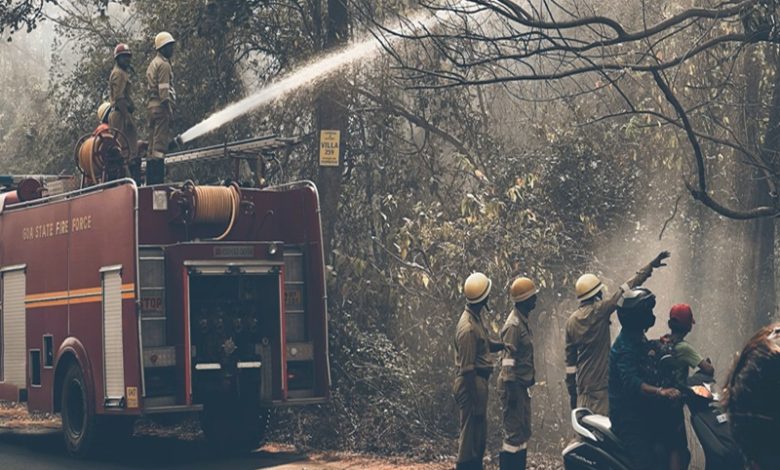
Delhi’s jhuggi fires rarely become catastrophic because of one spark alone. They turn deadly fast when three things collide at once: highly flammable scrap packed into living spaces, lanes too narrow for quick evacuation or fire access, and cleanup or enforcement that arrives after risks have already piled up. Recent fires in Uttam Nagar, Rithala, and a scrap storage plot in Pitampura show the same grim pattern repeating across the city.
Scrap Yards Turn A Small Fire Into A Running Flame
The fastest accelerant inside many jhuggi clusters is not just LPG, wiring, or cooking fuel. It is the informal economy itself. In Uttam Nagar’s Mansa Ram Park fire, the affected settlement reportedly housed around 80 scrap godowns, while in Pitampura a fire at a plot storing scrap cardboard and cartons under tin sheds spread rapidly because of the volume of inflammable material present. That matters because plastic, paper, cloth, foam, rubber, and packaging waste do not burn in isolation; they feed one another, throwing out dense smoke and heat that can make escape harder within minutes.
Congestion Leaves Residents With Almost No Margin
The second problem is layout. Jhuggi clusters are dense by design, with homes pressed wall-to-wall, belongings stacked overhead, and lanes often too tight for easy movement. When a blaze starts at night, panic spreads as quickly as the fire itself. In the Rithala blaze near the metro station, several huts were destroyed after the fire broke out late at night, and reports said LPG cylinders exploded, worsening the situation. In Uttam Nagar too, residents fled as flames raced through closely packed structures, while firefighters worked for hours to stop the spread.
A Fire In These Settlements Is Also A Livelihood Collapse
That is what makes these incidents harsher than a normal urban fire. Families do not just lose shelter; they lose rickshaws, schoolbooks, tools, stock, animals, and the next day’s earnings. After the Rithala fire, families were left outdoors, and after the Uttam Nagar blaze, survivors were already talking about lost livelihoods and children’s disrupted schooling.
Official news post on X by ANI about a Delhi jhuggi fire
Delayed Cleanup Quietly Builds The Next Disaster
What looks like municipal delay often acts like fire preparation. In Uttam Nagar, residents said there had been repeated complaints about illegal garbage dumping and garbage being set on fire, and a debris-removal drive scheduled for March 7 was postponed due to logistical issues. That detail is bigger than it sounds. When scrap, dumped waste, and temporary storage stay uncleared, they create dry fuel pockets across the settlement. By the time a flame appears, the hazard has already been assembled.
The Real Story Is About Urban Neglect, Not Bad Luck
It is easy to describe these fires as tragic accidents, but that softens the truth. Delhi’s jhuggi fires become devastating so fast because risk is layered into everyday life: combustible workspaces inside residential clusters, poor access for emergency response, repeated warning signs, and patchy cleanup before summer heat and human activity do the rest. The pattern is no longer surprising. What is surprising is how often the city still responds after the fire, not before it.

FAQs
1. Why do jhuggi fires spread so quickly?
Scrap, plastic, cardboard, cylinders, and tightly packed huts help flames jump rapidly across narrow settlement lanes.
2. Why are scrap yards such a major risk?
Stored plastic, paper, cartons, and cloth create dense fuel loads that intensify heat and smoke.
3. Does congestion affect rescue operations?
Yes, narrow lanes slow evacuation, delay hoses, and prevent quick movement of firefighters and equipment.
4. How does delayed cleanup worsen fires?
Uncleared garbage and scrap accumulate as dry fuel, turning everyday clutter into dangerous ignition corridors.
5. Who suffers most after these fires?
Low-income families lose homes, documents, schoolbooks, tools, vehicles, wages, and nearby support networks simultaneously.