Changing Weather Maps: How Deforestation Is Disrupting The Global Water Cycle
How Deforestation Is Disrupting the Global Water Cycle by altering rainfall routes, drying croplands, and weakening moisture flows. Explore causes, trends, and real climate impacts today.

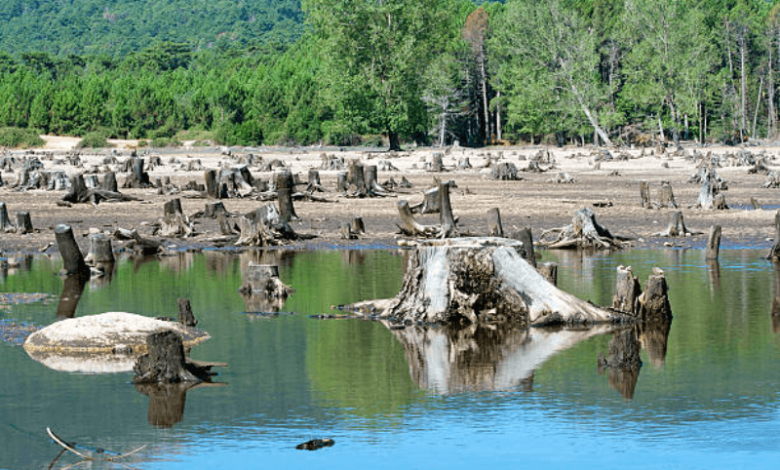
Forests work like living water towers. Through transpiration, trees pull moisture from soil and release it into the air, then winds move that vapor and return it as rainfall elsewhere. So, what is deforestation? It is long-term forest loss and conversion to another land use. Many readers also ask, what is the deforestation visible in satellite maps. It is usually a mix of legal clearing, illegal cutting, and fire-damaged land.
This matters for water security because the World Meteorological Organization says the hydrological cycle is becoming more erratic, with many basins now swinging between drought and flood instead of staying near normal patterns.
Why This Matters Beyond Forest Borders
The causes of deforestation now connect directly to water risk: cattle expansion, crop frontiers, illegal logging, infrastructure roads, and repeated burning. This deforestation weakens moisture recycling, so downwind regions get less reliable rain. A January 2026 Nature Communications study reported an 8–11% decline in annual precipitation across the southern Amazon from 1980 to 2019, and estimated 52–72% of that drop was linked to deforestation.
Those are measurable deforestation effects, not theory. In 2025, Brazil reported lower official clear-cutting, yet severe fires and drought pressure still damaged forest resilience, showing how quickly gains can reverse. Official Update From An Authoritative Account
What The Effects Of Deforestation Mean For Daily Life
The effects of deforestation now reach cities and farms together: unstable food output, hydropower pressure, higher flood peaks, and longer dry-season shortages. UN-Water tracking also reports significantly reduced river flow in 402 basins, a fivefold rise over fifteen years.
FAQs
1) How does deforestation change rainfall patterns?
Forests recycle moisture into clouds; removing trees cuts regional rainfall and extends dry-season intensity significantly.
2) What are the biggest current drivers globally?
Agriculture expansion, logging, roads, and fire-driven land clearing remain the strongest global deforestation drivers today.
3) Why should urban populations care immediately?
Because disrupted rainfall lowers crop yields, raises irrigation costs, and increases sudden flood damage everywhere.
4) What practical action can governments take first?
Use satellite alerts, enforce land laws, support Indigenous stewardship, and fund verified restoration projects locally.
5) Does forest loss affect electricity systems too?
Hydropower output drops with lower river flow, while water-treatment costs rise after forest-loss sediment pulses.