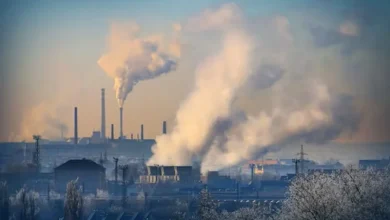
Fossil-Fuel Failures Surface Again In COP30 Fallout Against Clean Energy
COP30 Fallout questions if clean-energy spending can offset fossil-fuel failures, analysing stalled commitments, market reactions and the widening climate gap.

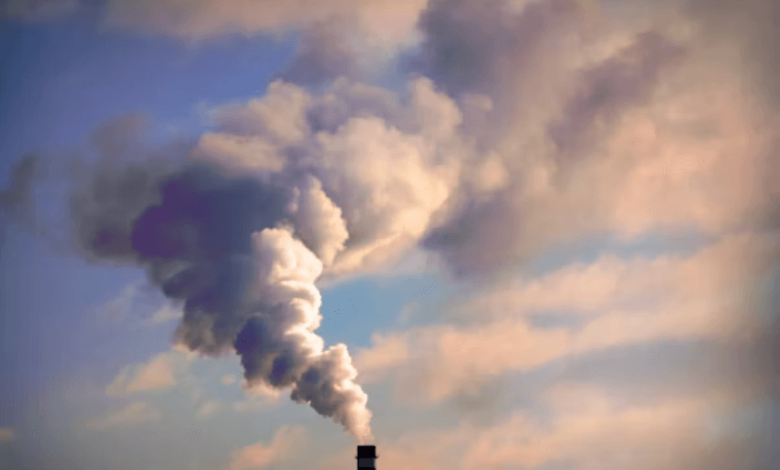
A steamy night, humming air conditioners, papers stuck to sweaty palms. COP30 fallout now sits in plain view, with clean-energy investments touted as the fix and fossil-fuel failures still on the table. The question bites. Can fresh money outrun old pipes and long permits. Maybe.
COP30 Fallout: What Went Wrong With Fossil-Fuel Commitments?
Negotiators circled the core issue and left it soft. The text avoided clear fossil phase-out timelines and leaned on safer phrases that sound fine at a podium but do little in a refinery gate. Oil and gas producers pushed for flexible language. Coal-dependent economies asked for space, time, cheaper finance. Everyone nodded, yet the clock kept ticking. Hallways smelt of coffee and recycled air, not resolved. Delegations spoke of “energy security” in low voices. The gap stayed. That’s how it looked to people in the room.
The Clean-Energy Boom: How Much Investment Is Actually Flowing In?
Money is moving. Not evenly, not quietly, still moving.
- Large flows into solar parks, onshore wind, utility-scale batteries, and grid upgrades.
- EV supply chains getting attention in ports, logistics hubs, small towns that assemble chargers.
- Efficiency money creeping into old buildings, motors, heat pumps. Slow paperwork, fast savings.
- Green hydrogen pilots appear in industrial belts. Some will scale, some will stall. That is normal.
- Capital is cheaper in rich markets. Costlier in the South. Projects feel that pinch daily.
Can Rising Clean-Energy Funding Offset Fossil-Fuel Expansion?
Short answer, not fully. New solar can crush peak prices on a bright afternoon, yet gas keeps lights on during a still, hot night. Storage helps. Grids help more. But new oil fields extend supply lines for decades and lock in ports, pipelines, and habits. Offsetting that with fresh turbines needs time, land, labour, metals. And permits that do not drag for two monsoons. Investment can narrow the gap. It cannot cancel fresh drilling on its own. Feels harsh, but that is the math many planners whisper.
Why the 1.5°C Pathway Still Demands a Rapid Fossil-Fuel Phase-Out
A quick reality table keeps the discussion grounded.
| Target area | What science asks | Current track |
| Coal power | Fast retirements, no new builds | Slow closures, lifeline capacity kept |
| Oil supply | Peak this decade, steady decline | New licensing in several basins |
| Gas use | Short bridge in power and industry | Extended bridge, creeping lock-in |
| Grids | Massive expansion and digital control | Backlogs in permits and equipment |
| Storage | Multi-hour coverage at scale | Projects rising, still patchy |
This is not a perfect list. It works for the newsroom desk.
Political Fallout: What COP30 Means for Global Climate Action
Trust took a knock. Small island states asked for clarity and a real plan. Big economies asked for balance and room to manage domestic politics. Some ministers floated club-style deals outside the formal process. Sector alliances, carbon-intensity standards, green-shipping rules. It sounds dry until a port upgrades cranes at 3 a.m. to meet a new fuel rule. Local councils then scramble for training funds, grid capacity, safety codes. Politics runs on deadlines and side deals. That is how progress sometimes sneaks in.
Financing the Global South: Will COP30’s Promises Be Enough?
Pledges help only when money lands in project accounts.
- Concessional loans must arrive fast, not five tenders later.
- Grant windows for grids, storage, and slum adaptation need simple forms. Please.
- Currency risk kills otherwise good solar parks. Local hedging tools can keep tariffs steady.
- Debt-heavy utilities need balance sheet relief. Otherwise bids sit on desks for months.
- Community benefits matter. A small clinic with steady power changes minds more than a glossy ribbon.
Industry Response: What Markets Signal About the Energy Transition
Developers in industrial clusters talk less and move materials at dawn. Copper orders, cable trays, inverters, the noisy stuff. Power markets already feel solar at noon and batteries at dusk. Oil firms still sanction selective projects with tight costs. Gas suppliers position contracts around heatwaves and cold snaps. Steel, cement, fertilizer pilots test low-carbon routes and call suppliers every week about reliability. Markets are not waiting for grand lines in a communique. They respond to prices, permits, and grid slots. A bit blunt, yes, but accurate.
FAQs
1) What does “COP30 fallout” mean in practical terms for energy planners on the ground?
It means slower movement on fossil phase-out timelines, continued project uncertainty, and a heavier lift for regulators managing grid connections, storage rules, and land approvals that keep piling up.
2) Can clean-energy investments replace the need for strict fossil-fuel limits this decade?
Investments accelerate deployment and lower costs, but without clear limits on new fossil supply they cannot prevent long lock-ins that stretch for decades and complicate 1.5°C targets.
3) Why do emerging markets struggle to use announced finance at the required speed?
High capital costs, currency risk, and complex procurement procedures delay good projects, leaving developers to juggle hedging, guarantees, and local approvals that sap momentum.
4) What signals matter most to markets after COP30 for the next three years?
Permitting reform, grid-upgrade budgets, storage tenders, and clear industrial standards for steel, cement, shipping fuels, because these guide procurement calendars and contractor hiring.
5) What should readers expect to see first if the transition gains pace after COP30?
More midday curtailment turning into storage contracts, quicker rooftop approvals, substation work at odd hours, and small but visible retirements of the dirtiest units in city-adjacent plants.