
Global Push Grows as Developing Nations Say: ‘We Need Climate Help’
Developing nations demand climate help, not more debt, as disasters rise and loan-based climate finance fails to support real adaptation on the ground.

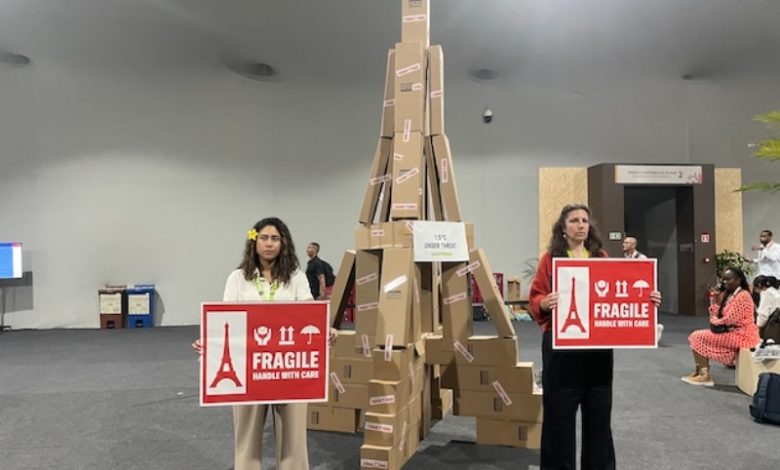
Sirens after a coastal storm, diesel smell in the air, paperwork stacked on a damp desk. Officials in a small ministry repeat the same line again and again: climate helps not more debt. The message runs through every meeting on climate finance for developing nations, because the climate crisis feels immediate, not theoretical. That’s how it looks on the ground, and nobody there calls it abstract.
Why Developing Nations Reject Debt-Based Climate Finance
Loan offers arrive quickly, but repayments stay for years. Budgets thin out, salaries freeze, maintenance gets kicked down the road. When roofs rip in a cyclone, the invoice lands before the tarpaulin does. For many capitals, this is the daily grind. Global South climate funding tied to loans pushes essential adaptation behind interest payments, and it shows in delayed floodwalls, patchy drainage, tired pumps that rattle at night. Maybe they’re right to push back.
Another issue sits quietly in the corner. Adaptation projects rarely produce cash flows that match hard repayment schedules. Salt-tolerant crops, early warning sirens, elevated clinics. Necessary, life-saving even. But they don’t mint rupees or shillings on day one. That’s the mismatch, and everyone in those offices knows it.
The Climate Debt Trap: How Vulnerable Nations Are Caught in a Vicious Cycle
Disasters raise borrowing costs. Higher costs block prevention. Then fresh losses arrive, louder this time. Insurance premiums climb, investors demand thicker cushions, bond spreads grow teeth. Governments patch gaps with short-term debt, and the pit deepens. Feels strange sometimes, to rebuild the same bridge twice in five years.
This loop crushes planning. Civil works stop and start, suppliers wait, contractors walk away. The climate debt crisis turns ministries risk-averse, even timid. Engineers carry contingency plans in plastic folders because the last one got soaked. That is the cycle, gritty and real.
What Developing Countries Are Demanding Instead of Loans
The task is not complicated.
- More climate adaptation grants for frontline infrastructure.
- Debt-free climate support for early warning systems, resilient agriculture, heat-safe schools.
- Clear timelines and simpler forms in COP climate negotiations developing countries have flagged repeatedly.
- Predictable Global South climate funding that does not spike in disaster years and vanish later.
Officials also point to loss and damage needs that cannot be financed by communities already paying to rebuild clinics and roads. A small town by a mangrove belt can’t securitise the tide. That’s just common sense.
The Case for Climate Justice and Historical Responsibility
The burden sits unevenly. Many countries seeking climate help not more debt contributed little to the stock of greenhouse gases in the sky. They are paying now in broken harvests and power cuts after heat spikes. This is not a new argument, but it still bites. Residents remember the sting in the air after a dust storm, the taste of brackish water in hand pumps.
Some will call it fairness, others policy math. Either way, climate finance for developing nations needs to reflect historical pathways, not only today’s spreadsheets. That’s how most people in these regions see it anyway.
What a Debt-Free Climate Finance System Could Look Like
A practical sketch, not a glossy brochure. Keep it tight and usable.
| Instrument | What it fixes |
| Climate adaptation grants | Funds non-revenue assets like drainage, cooling shelters, seed banks. |
| Debt swaps for resilience | Retires old debt; channels savings into risk-cutting projects. |
| Resilience trust funds | Offers steady, multi-year cash for upkeep, not one-off ribbon cutting. |
| Risk-layered insurance support | Handles extreme events while grants cover prevention basics. |
These pieces don’t need fancy labels. They need steady disbursement, light conditions, transparent tracking that a district office can actually manage on a slow internet line. So the pumps start when the water rises, not after.
Key Takeaways from Recent Global Climate Negotiations
Talks grew more direct. Delegations stressed debt-free climate support as the baseline, not a bonus. Several blocs pressed for a higher share of grants in Global South climate funding and clear accounting rules. The mood, as insiders put it, was tired of polite circles.
A few themes kept returning inside rooms and late-night notes.
- Simpler access windows that local agencies can navigate without foreign consultants.
- Longer cycles for maintenance, because gutters clog and filters crack in real weather.
- Alignment with local risk maps rather than template menus.
Small detail, big effect. Getting cash to a district that knows which culvert fails each monsoon saves weeks. Sometimes it’s the small habits that matter.
Why the World Must Act on the Call for “Climate Help, Not More Debt”
Ignoring this call isn’t neutral. It shifts costs to families who already haul water at dawn and mop floors after knee-high floods. It also leaves global supply chains brittle, ports offline after storms, cold storage blinking at the worst time. That risk spreads, quietly at first. Then it doesn’t stay quiet.
Grant-first funding cuts the loop. It keeps teachers in classrooms after a heatwave because cooling works. It holds clinic refrigerators at the right temperature so vaccines don’t spoil when the grid stumbles. It keeps the next emergency smaller than the last, which is the point. People deserve that kind of steady fix.
FAQs
1. Why are many governments insisting on grant-first support instead of loans for climate projects?
Loans lock future budgets into repayments, while essential adaptation assets rarely generate reliable cash flows, so grants keep frontline services working without new fiscal strain.
2. How does the climate debt crisis affect day-to-day public services in vulnerable regions?
Rising debt service crowds out maintenance, causing pumps, cooling systems, and drainage to fail more often, which then increases disaster losses and public frustration.
3. What types of projects suit climate adaptation grants better than debt finance models?
Early warning networks, mangrove restoration, heat-safe schools, rural water resilience, and small-town drainage that protect lives but do not create immediate revenue streams.
4. Can debt swaps and resilience funds make a practical difference within five years?
Yes, by retiring expensive legacy debt and routing savings to targeted fixes, governments can fund upkeep and reduce disaster downtime within realistic budget cycles.
5. What should change in COP climate negotiations developing countries keep referencing?
Access rules must get simpler, the share of grants should rise, and delivery should match local risk maps so funds reach the districts that actually face the water.