Climate Crisis 2026: 10 Cities Facing Immediate Environmental Risk
Discover 10 cities facing immediate environmental risk in 2026 due to climate change. Learn about rising temperatures, flooding, and urgent global climate threats.

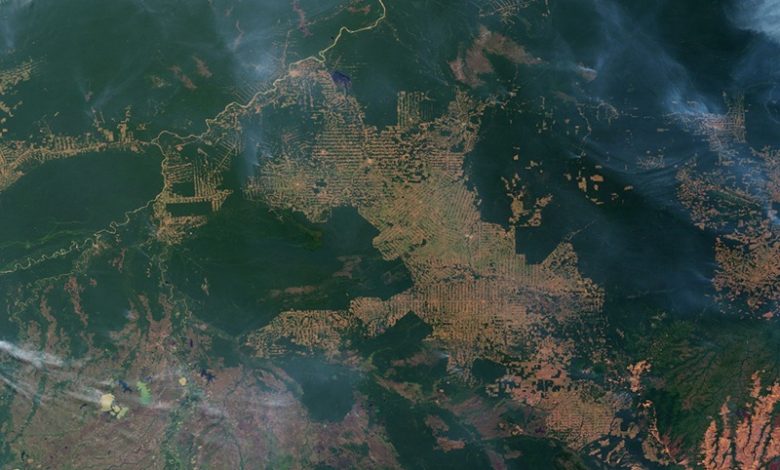
Climate Crisis 2026 is not any far fly question, but a reality in the world today. All continents are experiencing a unique type of environmental challenge in different major cities brought about by increased temperatures, catastrophes like extreme weather events, and the mushrooming of major cities. In this case, these risks are not uniform and certain cities are far more susceptible to the risks because of geographic, economic, and infrastructural characteristics. It is important that policy-makers, companies and individuals know what urban centers face the highest risk as the world adapts to a more uncertain climate future.
Increasing Risk of City Climatic caprice
The fact that urban centers have a high number of residents, infrastructure needs and environmental pressure make them particularly vulnerable to climatic change effects. Global warming and the local situation schedule of pollution, deforestation, lack of adequate planning etc. have only exacerbated urban problems. Cities at risk of climate change have emerged as an idea as governments acknowledge that city resilience will play a key role in preventing damage in the long-term.
List of Cities facing Climate Crisis in 2026
In 2026, some cities are high-risk areas, then the threats of the environment are not theoretical but tangible and apparent.
1. Jakarta, Indonesia
Jakarta is still in danger with regards to devastating flooding brought about by escalated sea level and land subsidence. The city is one of the most vulnerable cities in the world with large areas of land already below sea level. The attempts to take the capital to other cities underline the acuity of the crisis.
2. Mumbai, India
Mumbai is still very vulnerable to coastal floods, enhanced patterns of Monsoons as well as infrastructure overdrive. The fact that the naturalized rise of the sea level with the upsurge in population contributes to it renders it a hotspike in the list of the environmental risk cities 2026.
3. Lagos, Nigeria
Lagos is presenting a fast urban development with major coastal erosion and floods. Informal settlements are especially prone to it, given the lack of facilities that can help survive severe weather conditions.
4. Miami, United States
Sea level rise and storm surge continue to pose a threat to Miami. During the high tide, flooding has been prevalent which is an indicator of sustainability problems facing the city in the long term.
5. Dhaka, Bangladesh
Dhaka is strained by migration as a result of climate and extreme weather. It is one of the most climate susceptible cities in the world with increasing cases of flooding, heat waves, and water scarcity.
6. Karachi, Pakistan
Karachi is experiencing excessive heat, lack of water and increasing sea levels. This has been compounded by poor urban planning.
7. Manila, Philippines
The city of Manila is extremely vulnerable to typhoons and floods, as well as swelling sea levels. Owing to its geographical location in an area likely to be affected by cyclones, it is especially susceptible to repeat occurrences of natural disasters.
8. Cairo, Egypt
Cairo is already facing growing water scarcity as a result of climate change and population explosion. Desertification and a decline in agricultural productivity are also being fuelled by the rising temperatures.
9. São Paulo, Brazil
Sao Paulo experiences repeated water shortages and droughts, as well as flooding of the cities during downpour. The erratic weather the city is facing indicates larger scale effects of global warming cities.
10. Shanghai, China
Both extreme events and sea level rise are a threat to Shanghai. Being one of the largest economic centres, its weakness has far consequences to the global economies and financial networks.
Reasons behind Crisis
There are multiple factors involved in the challenges that these cities face in their environment. Increasing temperatures through greenhouse gas emissions are contributing to global warming, stronger and more extreme weather events. The factors which are further stressing more on the infrastructure (temporarily surpassing sustainable development) are rapid urbanization. Many times lack of proper planning and management of resources has increased the risks, with cities not prepared to respond accordingly.
Socioeconomic Consequences
The Climate Crisis 2026 issue is not a purely socioeconomic one, although it is an environmental one as well. The most vulnerable groups include communities with low income groups as well as the vulnerable population. The environmental conditions are becoming very poor, which is increasingly displacing the people, causing a health crisis and economic collapse. Social equity and climate resilience should therefore be considered in the cities in order to guarantee sustainable development.
Need for Urgent Action
To mitigate the climate crisis, resilience of infrastructure in the form of investment in enabling infrastructure and reducing past disasters through disaster preparedness, and sustainable urban planning must be embraced by governments. Switching towards the use of renewable energy along with expanding green space and effective water regulation systems is crucial in the process of attaining reduced vulnerability.
Simultaneously, global partnering will be a very important aspect in helping the cities, which do not have the inventory to change successfully. Until something is done, the dangers of these urban centers will only increase.
FAQs
1. What is the Climate Crisis 2026?
The Climate Crisis 2026 can be defined as the present phase of global climate change whose outcomes are showing immediate and noticeable impact in cities of the world now, e.g. extreme weather conditions and rise in sea level.
2. What is it about cities that makes them more susceptible to climate change?
Cities are very populated, have heavy infrastructural needs, and are stressed with emittance, infected by heatwaves, flooding, and pollution, hence, heat waves and flooding are as well more fearful and perilous.
3. What can cause a city to be high-risk?
The most important factors are the geographical location, increase or decrease in population density, quality of infrastructure, access to economic resources and risk to extreme weather incidences.
4. What impact will climate change have on urban populations?
It causes some health hazards, displacement, deprivation of resources such as water and energy.
5. How do we mitigate the environmental risks of cities?
These solutions are sustainable urban planning, adoption of renewable energy, improvement of infrastructure, disaster preparedness, and inter-global cooperation.