Rising Seas, Smarter Cities: Climate Will Redefine Miami
Rising seas and tech growth are transforming Miami. Learn how climate risks, smart cities, and real estate trends will shape its future.

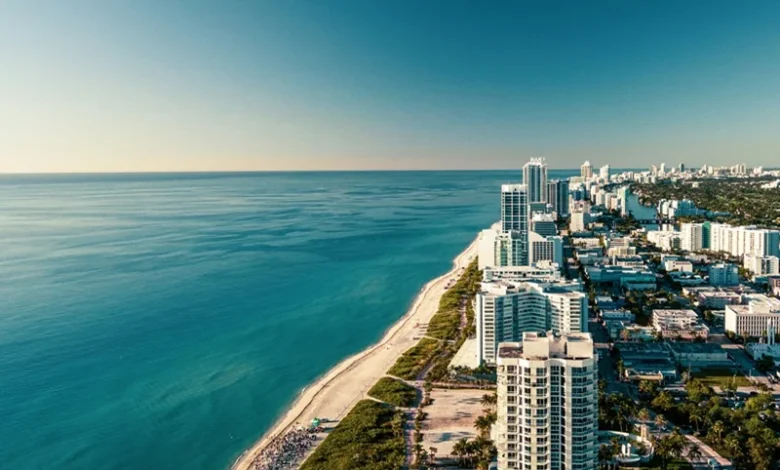
As time goes by, the issue of climate change will change from a future concern to a daily occurrence in Miami over the next 10 years. As sea levels rise, more frequent periods of king tides occur, and hurricane activity continues to strengthen, the way that Miami develops and operates will evolve, as well.Last but not least, there will be more elevated roadways, buildings designed for flood-resistance, and enhanced drainage systems.
The ability to withstand damage from natural disasters will take precedence over aesthetics when it comes to development. Properties located in low-lying areas will experience a decline in demand while properties located at higher elevations will see an increase in price. Insurance rates for homeowners and investors are projected to rise dramatically, changing people’s long-term investment strategies. In fact, the real estate market in Miami will increasingly rely on climate risk data rather than just amenity-based data to guide what types of properties to purchase or lease.
The Real Estate Boom Will Evolve, Not Slow Down
Likely, the Miami real estate market will not slow down; rather, it will go through a phase of evolution. In the next Decade, we will see a movement toward more strategic and sustainable, rather than speculative, luxury growth within the real estate market in Miami. Growth will be more intelligent and urban population centers like Brickell and Wynwood will still evolve, but with more coordinated city development.
The growth of remote employees will continue to bring an influx of high-income professionals from places like New York and San Francisco into the Miami area. However, buyers may be more selective than before, placing greater importance on whether or not properties provide adequate protection from natural disasters, the quality of construction materials that go into the creation of buildings and the long-term livability of those properties. Overall rental supply & demand could become tighter, with demand creating a need for a larger inventory of climate-resilient, energy-efficient homes.
Hot Topics You Shouldn’t Miss
Is solar investment worth it 2026?
Discover whether switching to solar makes financial sense for your home this year.
Which solar brand performs better 2026?
Explore a detailed comparison of leading solar panel brands before you decide.
Best solar panels to buy India 2026?
Check which solar panel brands offer the best value and performance in India.
Are solar trees the future energy?
Discover how innovative solar trees could transform urban green energy solutions.
Why is solar cheaper than fossil?
Explore the global shift making solar power more affordable than traditional fuels.
A Tech-Driven, Global City Identity
Miami wants to be more than just a place people go on vacation; it is aiming to be known as a worldwide center for technology and finance soon. Leaders like Francis Suarez are bringing in new companies like startups, crypto businesses and venture capital firms.
As we move forward, we can expect large increases in the amount of fintech, blockchain and remote-first companies that are moving to Miami. Infrastructure will likely follow this growth, including improvements in public transportation, implementation of smart city technology and enhancement of digital governance systems. As this new infrastructure is created, we can expect that the identity of Miami will begin changing from a traditional vacation city to a city where business and lifestyle coexist; with few exceptions, very few cities combine business, leisure and innovation in such a way.
Final Words
Miami has no intention of slowing down; it is in the midst of significant change. The next decade will not only test and build upon Miami’s resilience, but it will also change its skyline as a result of the above, and redefine how Miami identifies itself going forward. Those who are able to recognize these changes early (residents, investors, businesses) will be best-positioned to benefit from them.
FAQs
1. Will Miami become unlivable due to climate change?
Not in the next decade, but certain areas will face increasing risks. Adaptation efforts will determine how livable the city remains.
2. Is investing in Miami real estate still a good idea?
Yes—but only with careful consideration of elevation, flood zones, and insurance costs. Risk-aware investing will be key.
3. Why are people moving to Miami?
Lower taxes, warm climate, remote work flexibility, and a growing tech ecosystem are major drivers.
4. What industries will grow the most in Miami?
Technology (especially fintech and crypto), real estate, tourism, and hospitality are expected to lead growth.