Chennai Noise Pollution Explained: How IIT-M’s New Sound Barriers Could Change Traffic Junctions
Chennai Noise Pollution Explained as IIT Madras develops sound barriers to cut junction traffic noise. A smart solution for busy roads and public health.

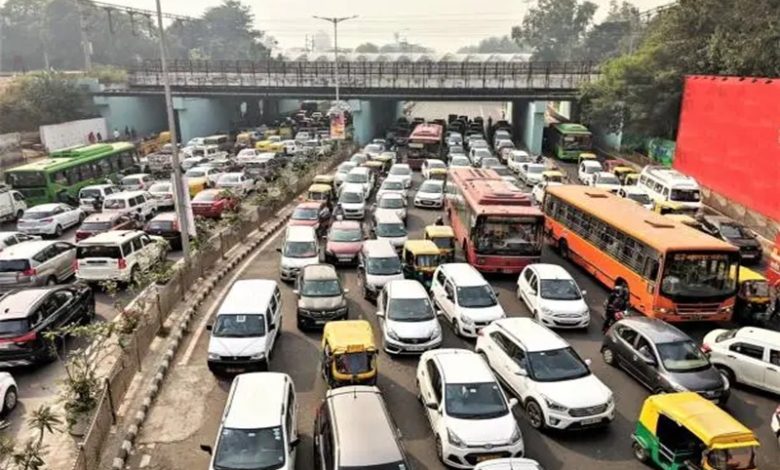
Chennai has lived with traffic noise for years, but this time the conversation feels more practical. IIT Madras is now working on engineered sound barriers and acoustic resonators that aim to cut noise at some of the city’s busiest junctions, not just measure it. That matters because the city’s recent noise-mapping work showed the problem is not random honking alone. It is built into how traffic, congestion, road design, and land use now overlap in daily life.
Why Chennai’s Noise Problem Has Moved Back Into Focus
The trigger is data. In a study done for the Tamil Nadu Pollution Control Board, IIT Madras monitored 60 locations across Chennai’s 15 zones using low-cost sensors over several months. The findings were hard to ignore: traffic-heavy areas were repeatedly crossing prescribed limits, with Valasaravakkam flagged among the worst-hit zones, while greener areas such as Adyar stayed relatively quieter. That contrast made one thing clear. Trees help, but dense junctions need stronger built solutions.
What IIT-M Is Actually Building
This is not a simple roadside wall project. The IIT-M team is reportedly developing a mix of acoustic resonators, porous sound-absorbing materials, PVC-based designs, and vegetative buffers to absorb or redirect traffic sound waves. Early reporting says the system could reduce noise by around 30 to 40 decibels in targeted locations if field validation holds up. One proposed installation zone is near the Cancer Institute junction, where the need is obvious because sensitive land uses sit next to heavy traffic movement.
Trending Now:
1. Why Are Some London Streets Cooler?
Explore how design and greenery keep London streets cooler than others.
2. What’s Changing in LA Water Limits?
Check the latest updates on Los Angeles daily water usage rules.
3. Which NYC Areas Stay Hottest Nights?
Discover the neighborhoods most affected by nighttime urban heat in New York City.
4. Why Are Tropical Plants Blooming Late?
Explore how climate shifts are affecting crop cycles and traditional farming.
5. How Do Indoor Plants Improve Air?
Check how indoor plants can boost air quality and healthier living spaces.
Why Traffic Junctions Could Look Different
If these barriers work in real conditions, junction design in Chennai may start changing in visible ways. Future upgrades may not focus only on widening roads or speeding vehicles through signals. They may also include noise control as a design goal, especially near hospitals, schools, and residential pockets. That would be a real shift, because urban traffic projects are usually judged by travel time, not sound comfort.
What This Means For Daily Commuters And Nearby Residents
For commuters, the change may feel subtle at first. For residents, shopkeepers, patients, and pedestrians near major junctions, it could feel much bigger. Less reflected traffic noise can make a crossing feel less harsh even when vehicle volume stays high. Chennai is already widening key corridors such as Sardar Patel Road to improve movement, so the barrier project lands at a moment when traffic infrastructure is already being reworked.
Why This Story Feels Bigger Than One City
What makes this worth watching is scale. If IIT-M can prove that locally designed barriers work in Indian traffic conditions, Chennai could become a test case for other dense cities dealing with constant road noise. This is no longer just an environment story. It is becoming a public health, planning, and street-design story too.
FAQs
1. What is IIT-M trying to fix in Chennai?
IIT-M aims to reduce severe road traffic noise at crowded junctions using specially designed sound barriers.
2. Which areas showed serious noise pollution earlier?
Valasaravakkam was among the worst affected, while greener areas like Adyar recorded relatively lower levels.
3. How much noise reduction is expected?
Early reports suggest the barriers may reduce traffic noise by roughly 30 to 40 decibels.
4. Where could the first installation happen?
One likely target is the Cancer Institute junction, a sensitive zone beside intense traffic movement
5. Why does this matter beyond Chennai?
If successful, the model could help other Indian cities redesign noisy junctions with public health.