Ageing Pipelines Behind Chandigarh’s Recurring Water Concerns
Chandigarh’s muddy water complaints reveal deeper issues with ageing pipelines, repair disruptions, and fragile distribution networks that continue to worry residents.

Chandigarh’s latest water scare is not fading because residents are not reacting to one bad day. They are reacting to a pattern. Complaints from areas such as Mauli Jagran, Dariya, and Hallo Majra recently reached the Lok Sabha, where the Centre said most cases involved muddy water linked to pipeline repairs, ageing lines, leakages, and even the use of private pumps that can worsen backflow.
Officials also said thousands of recent samples were largely satisfactory. But once water looks brown, smells odd, or arrives after repeated disruption, public trust drops much faster than official reassurance can recover it.
The Real Fear Is Not Just Contamination, But Uncertainty
What unsettles people most is the gap between what they see in a bucket and what authorities say in a report. The Centre’s response stressed that muddy supply is often the result of repair work rather than confirmed contamination. That may be technically true. Still, for families using that water to cook, wash, and drink, the difference feels small when the supply turns visibly dirty. In cities, water fear grows through uncertainty, not only through lab failure.
Ageing Pipelines Turn A Routine Repair Into A Public Health Story
Old underground networks create a hidden risk because one weak point can affect many homes before the fault is even visible from the street. The Centre acknowledged ageing infrastructure in Chandigarh and said long-term plans include replacing older lines with ductile iron pipelines. It also noted that flushing and chlorination are being used as immediate responses. That matters, but it also reveals the scale of the problem: temporary cleaning is still being used while deeper replacement remains unfinished.
Why Muddy Water Becomes A Bigger Civic Warning
Muddy supply is not only a quality issue. It is a warning sign of system stress. When repairs, leakages, low pressure, or illegal pumping combine, they expose how fragile a distribution network has become. That is why these incidents quickly turn political. Opposition voices have already argued that corroded water and sewage lines lying close together make the city more vulnerable than official replies suggest.
The Infrastructure Push Shows Officials Know This Is Structural
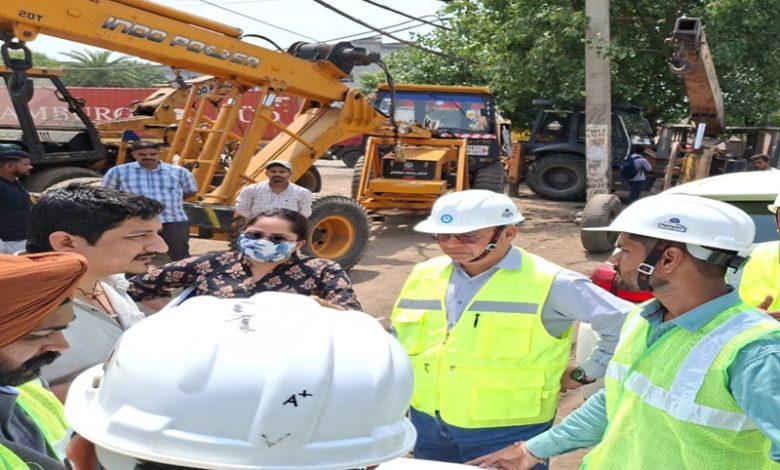
The reassuring part is that the problem is no longer being treated as a minor complaint. Under AMRUT 2.0, seven projects worth about ₹166.39 crore are underway in Chandigarh, covering water and sewage infrastructure. Separately, a civic advisory linked to pipeline-laying work showed how ongoing these interventions are on the ground. In other words, the city is already living inside a repair cycle, and residents can see it.
Why This Scare Will Keep Returning Unless Trust Is Rebuilt
Chandigarh’s water anxiety will stay alive unless upgrades become visible in daily experience, not just in project files. Clear test reports, faster fault disclosure, stronger old-line replacement, and better pressure management matter more now than generic assurances. People can forgive a disruption. What they do not forgive is being told everything is fine when the water in front of them says otherwise. For related coverage, see Times of India and Hindustan Times.

FAQs
1. Why are Chandigarh residents still worried about water?
Repeated muddy supply, ageing pipelines, and mixed official messaging have weakened public trust across several localities.
2. Did the Centre confirm contaminated water in Chandigarh?
No, it mainly linked complaints to repairs, ageing pipelines, leakages, and private pump misuse.
3. Which areas were mentioned in recent complaints?
Mauli Jagran, Dariya, and Hallo Majra were specifically cited during the parliamentary response recently.
4. What immediate steps have officials said they took?
Authorities said they flushed pipelines, chlorinated lines, tested samples, and planned phased infrastructure replacement.
5. What is the long-term fix for this problem?
Replacing old pipelines, improving pressure control, and modernising distribution networks are the real long-term solutions.