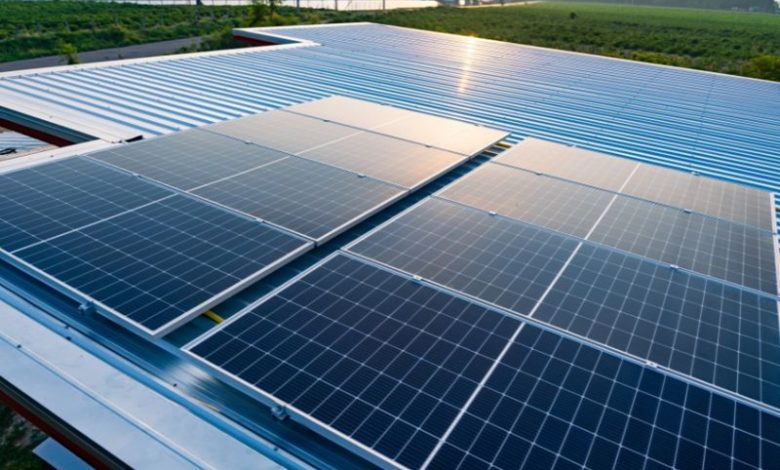
Rooftop solar is an excellent long-term investment due to the availability of solar energy and rising utility rates in Chennai. However, it is vitally important to choose a reputable manufacturer that provides high performance and durability. In India, two manufacturers typically come to mind, Tata Power Solar and Adani Solar.
Understanding Chennai’s Solar Conditions
When comparing the two manufacturers, it is important to have an understanding of the Chennai climate:
High ambient temperatures (which may reduce the efficiency of solar panels) and an abundance of sunshine for most of the year
- The presence of coastal humidity and the salt content in the air
- All of these things will lead to an ideal solar energy product being one that has:
- Good temperature tolerance,
- Has a high-quality build (to ensure longevity) and,
- Provides long-term reliability and performance.
Tata Solar Panels: Reliable and Service-Focused
One of the oldest and most trusted solar brands in India is Tata Power Solar. Tata has an established reputation for providing consistent quality (performance) of solar panels, as well as having a large service centre located throughout India to service its customers.
Key Advantages
In general, the expectation from a customer perspective is that Tata solar panels will be used for several years (i.e. durable) and provide many years of trouble-free service. As a result, many residential customers install their rooftop solar systems with Tata solar panels because they provide complete solutions in residential applications (from installation to inverter connections to after-sales service).
Given the relative high cost of maintaining and servicing a rooftop solar panel system in Chennai, Tata’s nationwide service centre becomes a real advantage in selecting a supplier/installer.
Performance
Although Tata solar panels may not consistently have the highest peak efficiency numbers among all manufacturers, they tend to provide consistent performance throughout the year.
Adani Solar Panels: High Efficiency and New Technology
Adani Solar has recently become an important manufacturer of solar panels in India because they are focusing on developing high-efficiency panels with advanced technology.
Benefits
Adani panels typically utilize higher efficiency technologies such as Mono PERC and TOPCon that provide more power generation from the same area. This is very beneficial for urban homes.
Performance
Adani’s advanced panels can produce more efficient power outputs in hotter climates like Chennai compared to many other brands, particularly when roof space is at a premium.
Limitations
Adani currently has strong technology, however, it does not have as extensive of service and installation networks in many areas when compared to Tata.
Which Is Better for Chennai?
In conclusion, which company is the best for residential solar panel installation in Chennai is determined by how important different things are to you personally:
- Homeowners interested in having a dependable system that provides full service with little ongoing care should go with Tata Solar.
- Homeowners who want to have the highest level of energy production potential (measured on a square foot of roof) should select Adani Solar panels.
Final Verdict
Both Adani and Tata Solar will have plenty of new benefits to provide homeowners in the year 2026.
The top choice for the average homebuyer in Chennai is Tata Solar.
Adani Solar will be the highest performing thanks to their ultra-high efficiency panel technology.
For someone who wants to invest safely for the long term into solar power, Tata Solar will be the best choice.
On the other hand, Adani Solar will be the best option for someone seeking the highest possible level of efficiency using the latest technology available.
FAQs
1. Which solar panel is better for Chennai weather?
Both are suitable, but Tata offers more stable long-term performance, while Adani provides slightly higher efficiency.
2. Which brand has better service in Chennai?
Tata Solar has a stronger and more established service network.
3. Which is more efficient: Tata or Adani?
Adani Solar panels are generally more efficient due to newer technologies like TOPCon.
4. Which is better for small homes?
Tata Solar is better for small residential setups due to ease of installation and service support.