
Desert Winds And Hidden Triggers Behind Cairo PM Surges
Even on calm traffic days, Cairo records sharp PM rises. Learn how dust transport, wind shifts, and atmospheric trapping amplify pollution levels fast.


Cairo has days when the skyline turns beige, your throat feels gritty, and air-quality apps jump red even though roads look “normal.” That mismatch is real: PM (especially PM10) can surge because the city is inhaling particles not produced by today’s commute.
In mid-February 2026, the Egyptian Meteorological Authority warned of dust and reduced visibility across Greater Cairo and the Delta, with advice to mask up and drive carefully. Egypt Today’s official Facebook update echoed those dust-storm precautions.
What Really Drives The Spikes On “Quiet Traffic” Days
First is regional transport. Strong winds lift desert soil and carry it into the basin of Greater Cairo, where dense streets can trap it. Second, inversions and calm night air keep particles close to the ground until late morning. Third, dust is easily re-suspended: one gust over construction zones, unpaved shoulders, or dry riverbank silt can re-launch yesterday’s settled grit. Fourth, it’s not only sand.
Fine particles can form in the air from gases reacting under sunlight, so PM2.5 can rise even if tailpipes don’t. Studies tracking Greater Cairo show PM2.5 levels and chemistry shifting by land use and local activities, not just traffic counts.
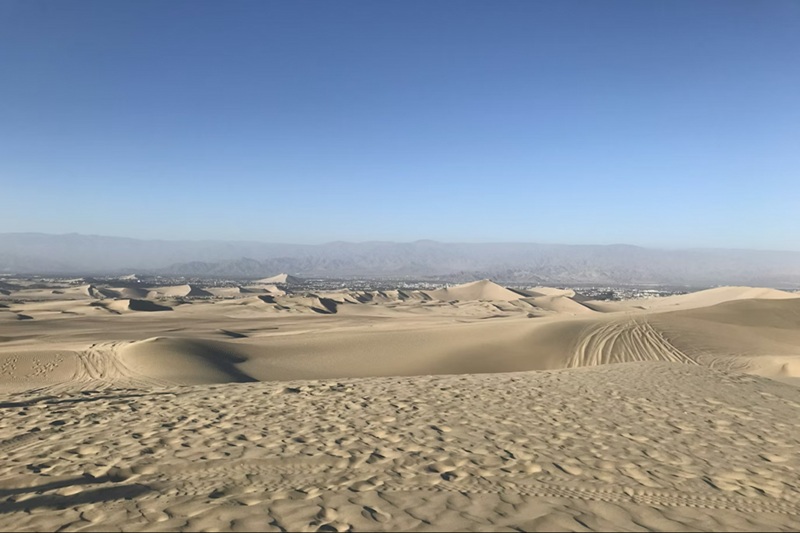
The “Khamsin Effect” People Feel Before They Measure
Khamsin-style winds don’t need to look dramatic to be harmful: exposure can jump in minutes, then drift indoors.
What To Do When The Map Turns Brown
Follow official alerts, seal windows, and time errands for later afternoon when mixing improves. Egypt’s environmental planning documents also flag PM10 as a persistent Greater Cairo challenge.
FAQs
1. Is PM10 always worse than PM2.5 during dust storms?
Often yes; dust boosts coarse particles, but fine PM2.5 can still rise too via chemistry.
2. Why do apps show spikes at night?
Night inversions trap particles near ground, so sensors read higher until morning mixing begins again.
3. Do masks help on dusty days?
A well-fitted N95 filters fine particles better than cloth; avoid outdoor exertion, especially when possible.
4. Can staying indoors fully protect me?
Not fully; dust seeps through gaps, so close windows and use filtration if available indoors.
5. When is the safest time to go out?
Late afternoon is often better as winds disperse pollution, but always check local alerts first.