How Road-Widening Alters Heat And Air: Bengaluru Urban Tree Loss Story
Bengaluru Urban Tree Loss: How Road-Widening Changes Heat And Air At Street Level and reshapes local comfort, pedestrian shade, and everyday microclimate patterns.

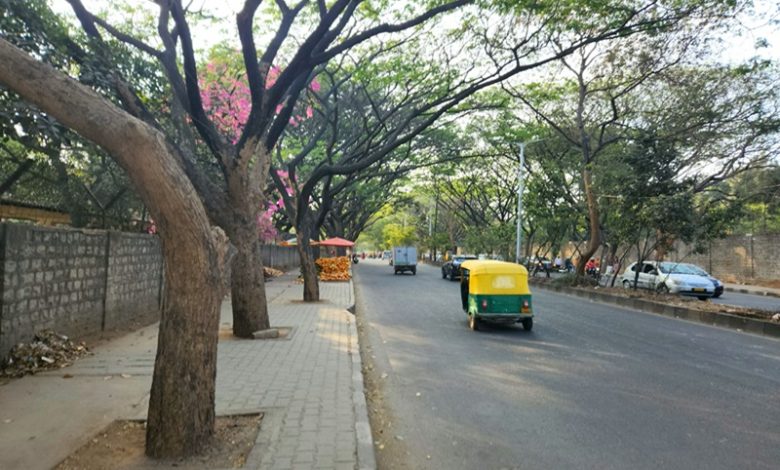
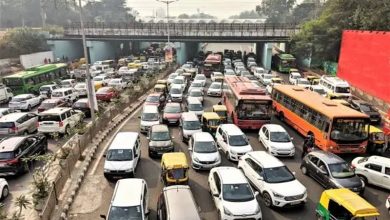
Bengaluru’s road-widening push is no longer just a traffic story; it is a street-level climate story. When mature avenue trees disappear, the shade “roof” over footpaths, bus stops, and parked vehicles goes with them, and the road surface starts storing heat like a hotplate by late morning.
The Street Gets Wider, But The Microclimate Gets Harsher
Recent debates around widening near Palace Grounds on Ballari Road, where dozens of trees were cleared for the project, keep flaring up because residents feel the temperature shift instantly—hotter walks, harsher glare, and less relief at junctions.
The scale matters too. Reports have noted that between 2020 and mid-2025, Bengaluru removed 19,904 mature trees even as it planted large numbers of saplings—raising uncomfortable questions about survival rates and how long it takes to “replace” the cooling of a grown canopy.
What Changes At Breathing Height
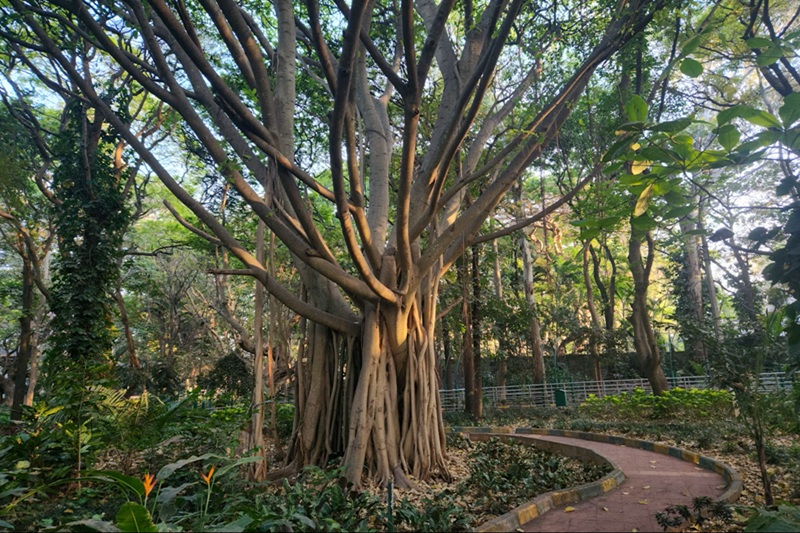
Heat is only half the impact. Trees slow dusty gusts, trap some particulate matter on leaves, and keep air moving more comfortably at human height. After widening, faster traffic can lift more road dust, and longer, hotter stretches of exposed asphalt can push pollutants to linger at street level—especially around signals where idling queues form.
X Post And City Mood Check
A recent post by The Hindu’s Bengaluru handle captured public frustration about civic tree management, mirroring the wider “save our canopy” mood across neighbourhood groups.
FAQs
1. Why does losing roadside trees make streets feel hotter so fast?
Shade drops, asphalt heats up, and radiant heat hits pedestrians directly, especially during midday peak.
2. Does road widening always improve air quality by easing traffic?
Not always; faster flows help, but exposed dust and idling hotspots can worsen air locally.
3. Can sapling planting offset the cooling from mature trees soon?
No; saplings need years to form canopy, so street cooling and comfort often lag behind.
4. What approvals are usually required before felling urban trees?
Permissions typically go through tree officers and committees, with public objections invited for larger numbers.
5. What can commuters do right now on affected corridors?
Choose shaded routes, mask up on dusty stretches, and report illegal felling to civic helplines.