Smoggy Bangkok Mornings Explained: The Calm-Air And Burning Effect
Bangkok’s morning smog has a pattern. Calm air traps emissions while regional burning adds smoke, creating dangerous PM2.5 levels across the city.

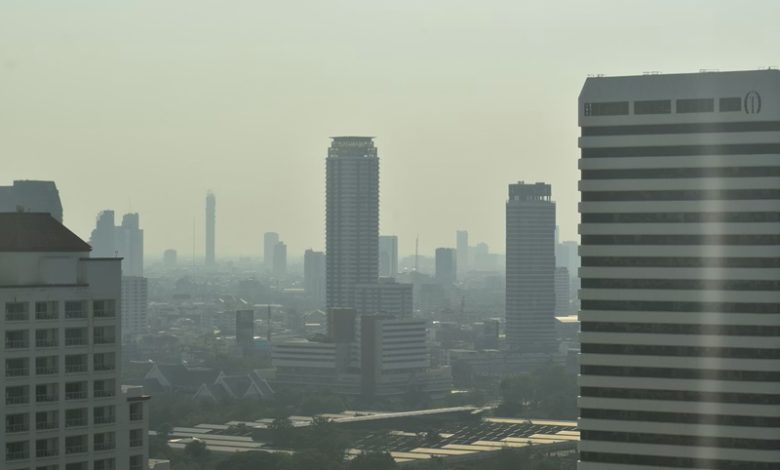
Bangkok’s hazy mornings are not just “bad air days.” They are a repeatable setup: a quiet atmosphere that stops mixing, plus smoke and exhaust that keep arriving. When it clicks into place, you wake up to a grey skyline, scratchy eyes, and alerts that jump from “moderate” to “unhealthy” before lunchtime. Recent advisories have even pushed work-from-home calls as districts tip into higher risk categories.
The Calm-Air “Lid” That Turns Normal Emissions Into A Smog Event
Bangkok’s PM2.5 spikes often look sudden, but the physics is slow and sneaky. During cooler-season mornings, the city can get a temperature inversion, where warmer air sits above cooler air near the ground. That creates a lid effect, holding pollution close to street level until winds strengthen or daytime heating breaks the layer. Officials have described these “closed” conditions alongside inversion-driven trapping as a key reason Bangkok wakes up dirtier than it went to sleep.
When the air stalls, everyday sources start stacking up: traffic, construction dust, small industry, and household activity. Then add regional smoke from biomass burning, including agricultural fires and forest-edge burning, and the city gets hit from both inside and outside at once. That’s why authorities keep warning that ventilation matters as much as emissions on these peak days.
In late January, Thai PBS World reported Bangkok-wide averages above the standard safe level, pointing to stagnation as a driver, not just “more cars today.” Here’s one official newsroom post shared during a spike.
Why Morning Hours Feel Worse Than Afternoon
Early hours can be the trap’s tightest point. Overnight cooling strengthens the inversion, winds tend to be lighter, and pollutants accumulate near roads and low-rise neighbourhoods. By late morning, sunlight may help lift the lid, but if winds stay weak, the improvement is small and the haze lingers.
What Bangkok Is Doing When The Numbers Climb
Bangkok’s city agencies have rolled out “reduce-at-source” steps during peak periods, including requesting work-from-home to cut traffic emissions and ease daily exposure. Public advisories also push people to limit outdoor activity when readings rise, because health impact is about dose over time, not one bad glance at the skyline.
FAQs
1. Why does PM2.5 spike in Bangkok during mornings?
Inversions trap pollution overnight, and weak winds stop dispersion until later daytime mixing starts.
2. Is burning outside Bangkok really affecting the city?
Yes, regional biomass burning adds fine particles, and stagnant conditions help them accumulate above Bangkok.
3. Do calm days always mean worse PM2.5?
Often, yes. Low wind and stable air reduce ventilation, letting emissions pile up fast.
4. Does work-from-home actually help air quality?
It can reduce traffic emissions and exposure, especially during short-lived spikes across many districts.
5. What’s the simplest way to reduce exposure today?
Limit outdoor exertion, use a well-fitted mask, and keep indoor air filtered when possible.