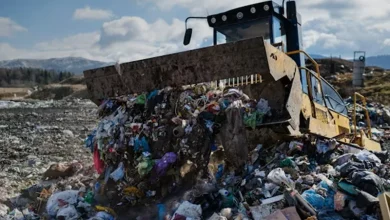
Why Plastic Waste in Indonesia’s Bali Waters Is Triggering New Cleanup Policies
Plastic waste in Bali’s waters is driving new cleanup policies as Indonesia tackles ocean pollution and protects marine ecosystems.

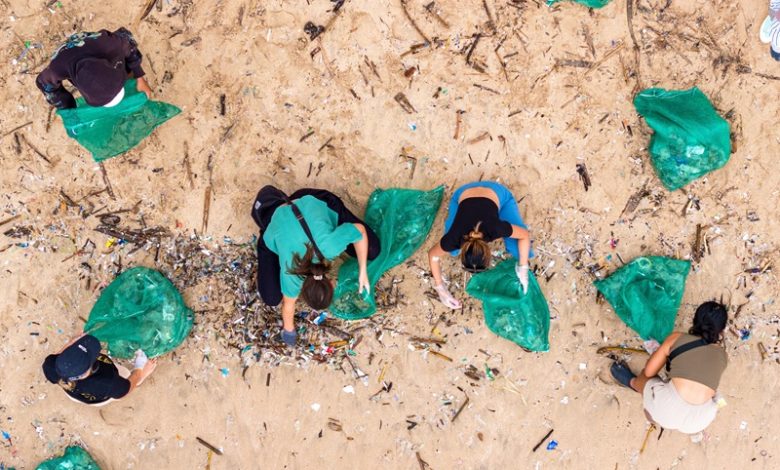
The tropical beaches and the colorful marine ecosystems on the island attract a number of millions of visitors each year, however, the island is also confronted by a serious environmental challenge. Rising Bali plastic waste pollution has become a growing concern as plastic debris continues to wash up on beaches and enter surrounding waters. A lot of this garbage is a result of rivers, cities, and individual use of plastics, which find their way into the ocean. In response, authorities are introducing new policies to address Indonesia ocean pollution and protect marine life. These initiatives aim to strengthen Bali environmental cleanup efforts while promoting sustainable waste management practices across the island.
Bali Plastic Waste Pollution and Ocean Impact
The issue of Bali plastic waste pollution has intensified due to increasing tourism, urban development, and limited waste management infrastructure.
- Causes of marine plastic pollution: A significant amount of the contamination is a result of single-use plastics, waste in rivers, and poorly managed landfills that include parts floating into the coastal waters.
- Effects on the marine ecosystems: Plastic waste poses a threat to coral reefs, sea turtles, fish, and other marine species, which might ingest or get caught in debris.
- Tourism and environmental issues: The beaches will be polluted, and this will have an impact on the tourism industry of Bali, which depends so much on the clean natural surroundings.
New Cleanup Policies in Indonesia
The Indonesian government has introduced new measures to reduce plastic waste Indonesia beaches and protect ocean ecosystems.
- Government waste reduction programs: Authorities are promoting recycling initiatives and improved waste management systems.
- Beach cleanup initiatives: Local governments and environmental agencies organize regular cleanup drives along Bali’s coastlines.
- Plastic ban measures: Policies limiting single-use plastic bags, straws, and packaging aim to reduce long-term pollution.
Community Efforts to Protect Bali’s Waters
Community involvement plays a major role in addressing Indonesia ocean pollution.
- Volunteer cleanup movements: Residents and environmental groups organize beach cleanups and awareness campaigns.
- NGO environmental campaigns: Organizations promote sustainable waste practices and marine conservation education.
- Sustainable tourism practices: Businesses and travelers are encouraged to reduce plastic use and support eco-friendly initiatives.
FAQs
1. Why is Bali facing plastic pollution problems?
Bali’s rapid tourism growth and limited waste infrastructure contribute to plastic waste entering rivers and coastal waters.
2. What policies are addressing ocean waste in Indonesia?
Indonesia has introduced plastic reduction policies, recycling programs, and bans on certain single-use plastics.
3. How does plastic waste affect marine life?
Marine animals can ingest plastic or become trapped in debris, which can lead to injury or death.
4. Can tourists help reduce pollution in Bali?
Yes, visitors can reduce plastic use, support eco-friendly businesses, and participate in beach cleanup activities.