A Brutal Arctic Reality Check: Alaska Storm Devastates Community
A powerful Alaska storm devastates a local community, exposing the harsh Arctic reality shaped by climate change and raising urgent questions about future resilience.

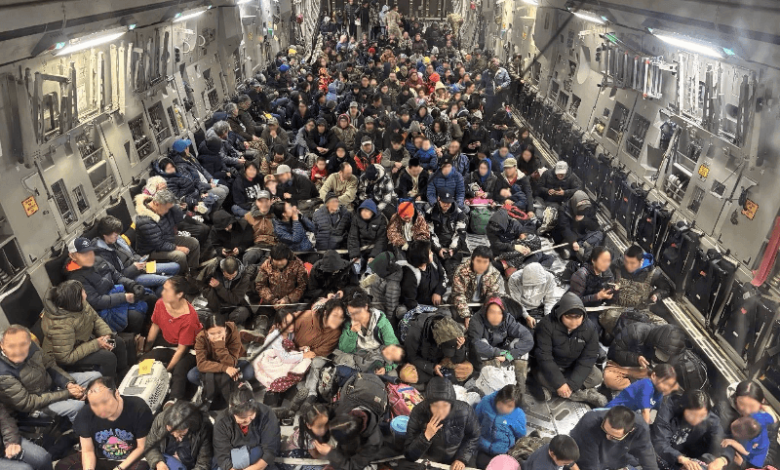
Anchorage, Alaska: A violent coastal storm tied to the remnants of Typhoon Halong shoved record water into western Alaska villages, ripping houses off foundations and triggering a large emergency airlift. Water levels rose more than six feet above normal tides in places, and officials reported at least one death with others missing as search and rescue crews worked through wind, debris, and darkness.
The Storm, the Surge, and the Hard Maths
In Kipnuk and Kwigillingok, storm surge poured over boardwalk streets, swamped homes, and disrupted heat and power systems. Hundreds sheltered in schools and community buildings, then more were flown out when regional centres filled up. Some families arrived in Anchorage carrying only small bags, and that detail keeps repeating in reports. A short clip from PBS NewsHour showed the evacuation pace and the scale of the loss.
Climate change is not an argument in Alaska. Less sea ice can mean bigger waves reach the coast, and thawing ground weakens roads, homes, and old protection works. USGS notes Arctic coastal erosion threatens communities and critical infrastructure along Alaska’s coast.
Small Villages, Big Consequences
Storm damage also revived a hard question many leaders already raise: stay, rebuild, or move. Regional reporting describes a widening sense of urgency across the Yukon Kuskokwim Delta after repeated flooding, with some communities weighing relocation even as costs and approvals drag on. It is not an easy call.
Recovery is slow in roadless places. Materials arrive by air or barge, and winter closes the window fast. Insurance is limited, so repairs often depend on emergency aid, volunteer networks, and tight local budgets.