Why Ahmedabad’s East Side Feels Hotter Than The Rest Of The City: Heat Hotspots In Odhav, Ramol And Naroda Explained
Eastern Ahmedabad zones like Odhav and Ramol show stronger heat buildup due to dense roads, industry and limited green cover. Officials track hotspot risks as summer pressure grows.

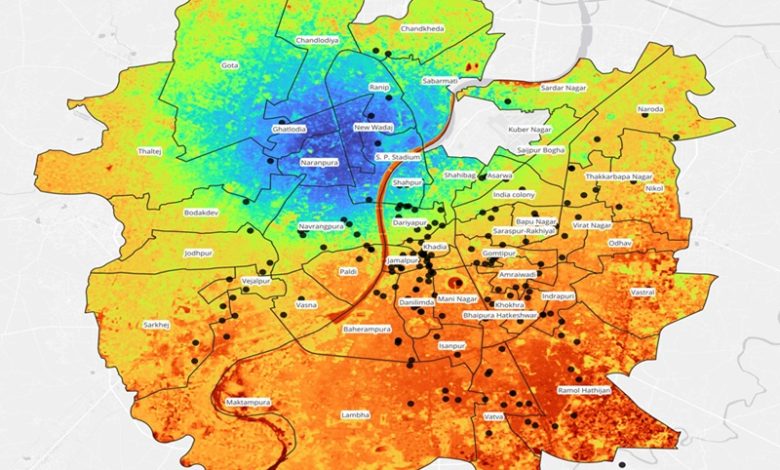
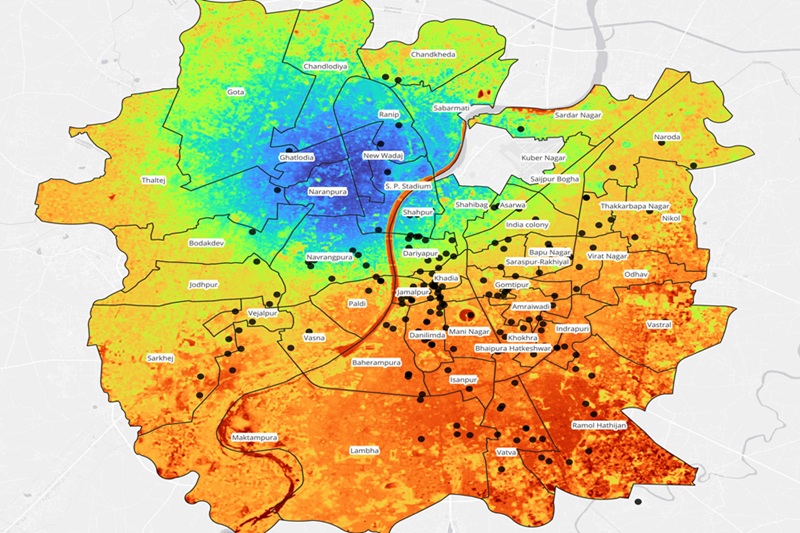
Ahmedabad’s east side is back in focus as the Ahmedabad Municipal Corporation flags a heavy cluster of heat hotspots across the city’s eastern belt. The latest mapping shows places like Odhav, Ramol, Naroda, Vatva, Hathijan and Vastral warming faster than many other parts of the city, with 39 of Ahmedabad’s 46 identified hotspots falling in the east. The reason is not just “summer heat.” It is the mix of hard-built industrial land, dense roads, less cooling cover, trapped daytime heat and fast urban spread that makes these neighbourhoods feel harsher by late morning and punishing after noon.
Why The Heat Builds Faster In East Ahmedabad
What people in Odhav, Ramol and Naroda often feel on the ground matches what heat maps now show from above. AMC’s current hotspot exercise uses satellite-based land surface temperature data with local forecasting to spot which pockets are likely to stay hotter than normal over the next few days. That matters because land surface heat usually rises first on exposed roads, factory roofs, concrete yards and built-up plots, and then pushes up the local air temperature people actually feel.
Why Odhav, Ramol And Naroda Keep Showing Up
These eastern zones carry many of the conditions that worsen urban heat. Industrial estates, warehouses, transport corridors and tightly packed layouts store heat through the day. Dark surfaces absorb more sunlight. Open dusty stretches reflect glare without cooling the air. Tree shade is patchier in many industrial and peripheral pockets than in greener residential parts of the west. Older research on Ahmedabad’s urban heat pattern has also pointed to higher surface temperatures around industrial and dense urban areas, especially across the eastern side. Official social post on Ahmedabad’s urban heat conversation.
Why This Feels More Serious This Year
This is not only about one hot afternoon. Ahmedabad has already seen an active March, with heatwave warnings earlier in the month and city temperatures rising well above normal on some days. On March 24, the IMD recorded Ahmedabad’s maximum at 36.9°C, while the minimum stayed elevated; its latest city forecast keeps the weather partly cloudy but warm, with temperatures around 36°C to 25°C. That warm-night effect matters because neighbourhoods that do not cool properly after sunset leave residents with less recovery from daytime heat. Ahmedabad’s long-running Heat Action Plan was designed for exactly this kind of public health risk.
FAQs
1. Why does East Ahmedabad feel hotter than West Ahmedabad?
More concrete, industrial land, wider exposed roads, and lower cooling cover raise retained daytime heat.
2. Which areas are marked as key heat hotspots right now?
Odhav, Ramol, Naroda, Vatva, Hathijan, and Vastral are among the highlighted eastern hotspots.
3. What creates a heat hotspot inside a city?
Concrete surfaces, metal roofs, traffic, sparse trees, and dense development trap and radiate heat.
4. Is this only a summer issue or a wider climate problem?
It starts in summer, but urban design and warming trends make hotspot exposure worse.
5. What should residents do during hotspot days?
Avoid peak afternoon exposure, drink water often, use shade, and watch heat alerts closely.