“On the Brink”: 5 Cities Facing Immediate Water Crisis in 2026
Discover 5 cities on the brink of a water crisis in 2026 and the key reasons behind global water shortages.

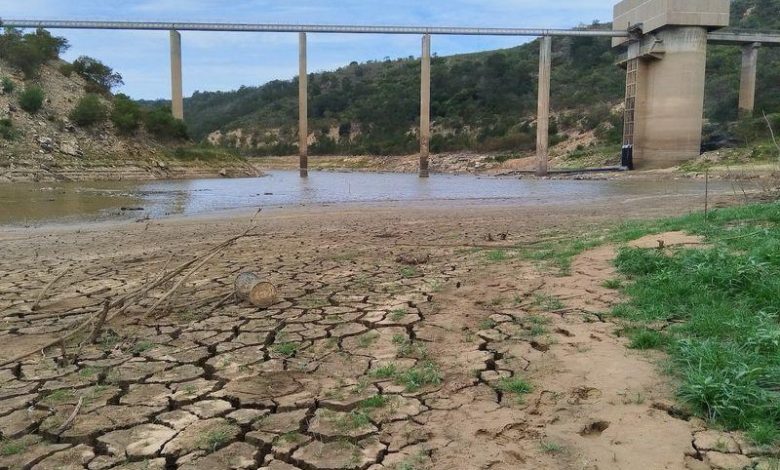
The problem of water shortage is emerging as one of the most pressing in the whole globe in 2026. The world is rapidly urbanizing, and climate change and population expansion have placed huge demands on freshwater resources. The large cities have turned into the edge of intense water shortages, which are a cause of concern with sustainability and the health of the population. These cities are experiencing dwindling water supplies, excess use of groundwater, and erratic weather patterns. Knowing the most vulnerable cities can help bring into focus the increased relevance of water conservation and long-term planning.
1. Cape Town, South Africa
Cape Town has already faced a near “Day Zero” crisis in the past and continues to struggle with water shortages.
- Low rainfall and recurring droughts
- Heavy reliance on reservoirs
- Increasing population demand
Despite conservation efforts, the city remains vulnerable to future water crises.
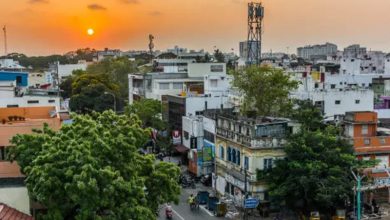
2. Bengaluru, India
Bengaluru is experiencing rapid urban growth, putting pressure on water resources.
- Depleting groundwater levels
- Loss of lakes and water bodies
- High demand from the tech and residential sectors
The city is increasingly dependent on water tankers and external sources.
3. Mexico City, Mexico
Mexico City faces serious water challenges due to over-extraction and infrastructure issues.
- Groundwater depletion
- Aging water systems and leaks
- Unequal water distribution
Many residents already face limited access to clean water.
4. Cairo, Egypt
Cairo depends heavily on the Nile River, making it vulnerable to water stress.
- Rising population
- Limited freshwater sources
- Regional water tensions
Climate change and upstream usage are increasing pressure on water supply.
5. São Paulo, Brazil
São Paulo has faced severe droughts in recent years.
- Irregular rainfall patterns
- Deforestation impacts
- Growing urban demand
Water shortages remain a recurring concern for the city.
Why These Cities Are at Risk
Several common factors contribute to the global water crisis:
- Climate change: Alters rainfall patterns and increases droughts
- Population growth: Increases water demand
- Urbanization: Strains infrastructure and resources
- Poor water management: Leads to waste and inefficiency
What Can Be Done to Prevent Water Crises?
- Invest in sustainable water management systems
- Promote water conservation practices
- Improve infrastructure and reduce leakage
- Use rainwater harvesting and recycling technologies
FAQs
Why are cities facing water shortages in 2026?
Due to climate change, overuse of water resources, and rapid urbanization.
Which city is closest to running out of water?
Cities like Cape Town and Bengaluru have faced severe shortages and remain at high risk.
How can individuals help reduce water crisis?
By conserving water, reducing waste, and supporting sustainable practices.