
10 Ways to Make Your Home Sustainable
Transform your home into an eco-friendly haven with these 10 sustainable practices. Reduce energy costs, conserve water, and create a healthier living space.

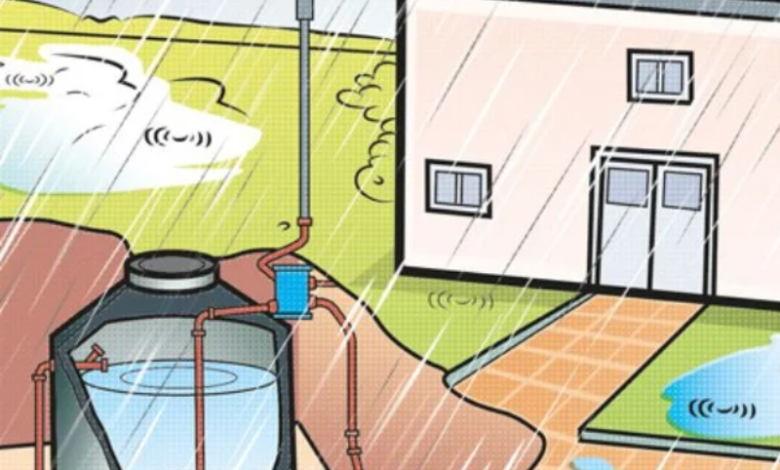
Constructing a sustainable home is no longer a popular trend among the environmentally conscious population, but a need that is required to secure the future of our planet and the well-being of your family. Greenhouses have lower carbon footprints and reduced energy bills, cleaner air inside the houses, and conservation of the resources that will deliver the same energy to future generations.
Top 10 Ways to Make Your Home Sustainable
1. Install Solar Panels
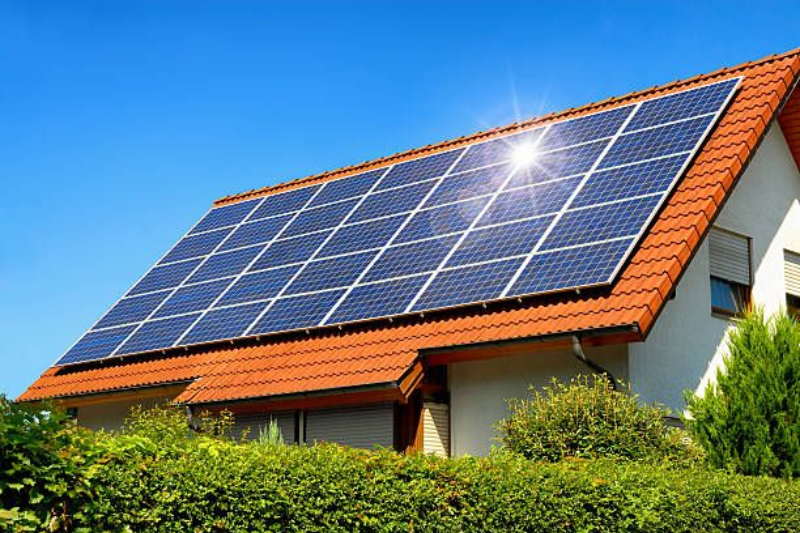
Solar panels generate clean electricity that uses sunlight, and this will cut radically on your reliance on fossil sources of energy. The current solar systems are such that they can produce sufficient energy to meet the largest percentage of the various homes, and any remaining energy is usually sold back to the power grid. Although prices of initial installation are high, solar energy is becoming affordable due to federal tax credits and the decreasing prices of equipment, which normally pay themselves off in 6-10 years.
2. Upgrade to Energy-Efficient Appliances
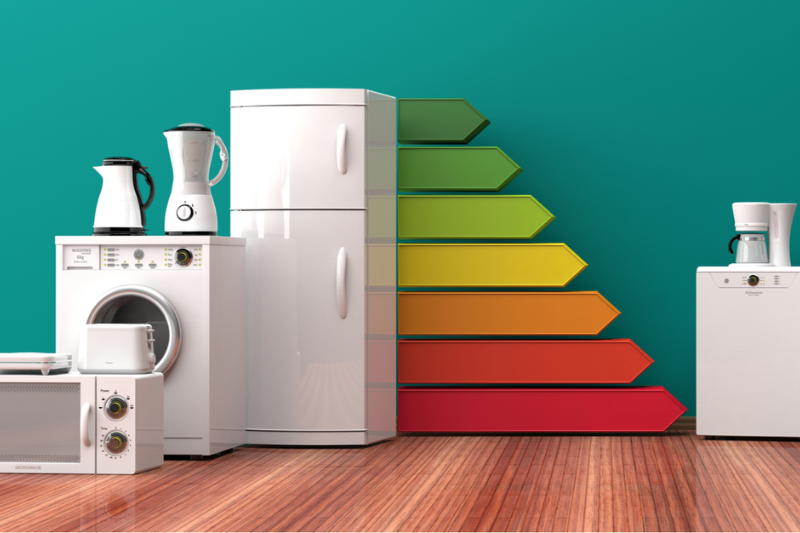
Old appliances should be substituted with ENERGY STAR appliances, which consume 10-50 percent less energy in comparison with standard ones. Refrigerators, washers, laundry machines, kitchen dishwashers, and heating, ventilation air-conditioning systems that are energy efficient save a lot of electricity and water. Find appliances that are smart and will save on your power consumption, depending on your habits, further maximize savings, and still be comfortable and convenient.
3. Improve Home Insulation

Proper insulation would avoid heat loss in winter and make cool air stay trapped in the house when it is hot, thus cutting HVAC workload by up to 40%. Reinforce insulations on your attic, walls, and basement, but with environmentally safe materials such as recycled denim, sheep wool, and cellulose. Ensure that windows, door frames, and electrical outlets are sealed to prevent leaks to maximize efficiency, and make indoor temperatures constant throughout the year.
4. Switch to LED Lighting

LED light bulbs are much more cost-effective since they consume 75 percent less energy than incandescent bulbs and have a lifespan 25 times longer. They radiate less heat, which saves you cooling costs during summers, and come in different color temperatures to fit every atmosphere. The smart LED systems can be scheduled and controlled remotely, and automatically change the brightness by the level of natural light and occupancy.
5. Install Low-Flow Water Fixtures
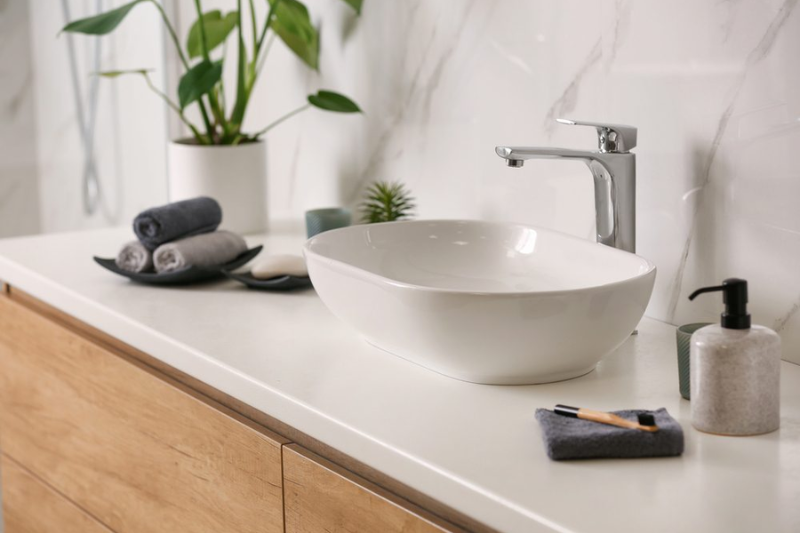
Without compromising performance, water consumption can be minimized by installing low-flow showerheads (20-60 percent), faucets (40-70 percent), and toilets (20-60 percent). Contemporary designs employ the use of aerators and pressure-compensating technology, which allows huge water pressure at the same time consuming less water. The dual flush toilet provides two flushing options: liquid and solid waste, so that it uses the optimum amount of water in each case, and saves a substantial amount in your water bill.
6. Create a Rainwater Harvesting System

Harvest rain by harvesting gutters and downpipes into storage tanks or barrels. Gardens, cars, and even toilets can be washed with this free source of water through proper filtration. Rainwater harvesting not only eliminates stormwater runoff and erosion, consuming less municipal water sources, but it is an economically and environmentally sensible method of providing water needs outside.
7. Start Composting Organic Waste
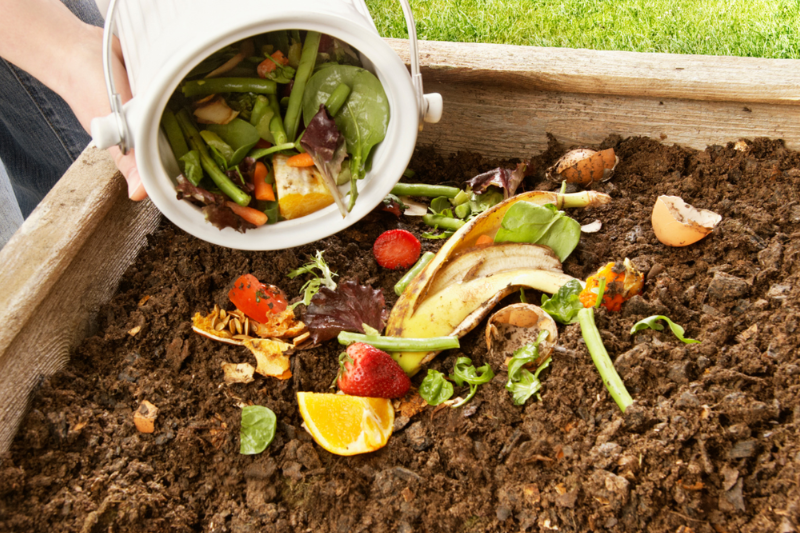
A combination of kitchen scraps and yard waste produces an amendment to nutrient-rich soil and helps prevent the release of landfill methane gases that generate organic matter. The home composting systems are as simple as a bin to a tumbler compost that hastens the process. The result is a compost that makes the soil healthier, less dependent on chemical fertilisers, and forms a complete chain of waste-to-garden resources.
8. Use Sustainable Building Materials
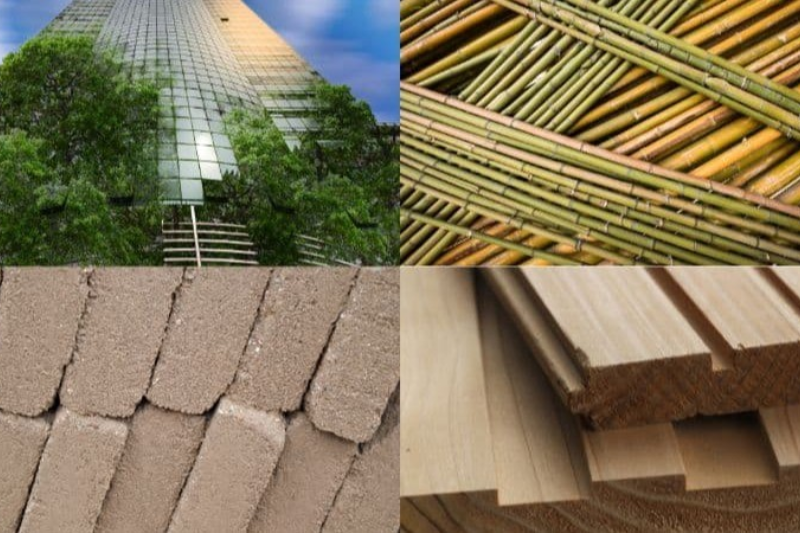
Select materials that have low environmental impacts, like bamboo flooring, reclaimed wood, recycled steel, and low-VOC paints and finishes. These resources are usually produced using fewer energy sources, are renewable, and produce healthier indoor air conditions. Green materials are often of the highest quality in regard to durability and aesthetics, and present special visual interest and contribute to safe production methods as well as minimize building waste.
9. Plant Native Landscaping
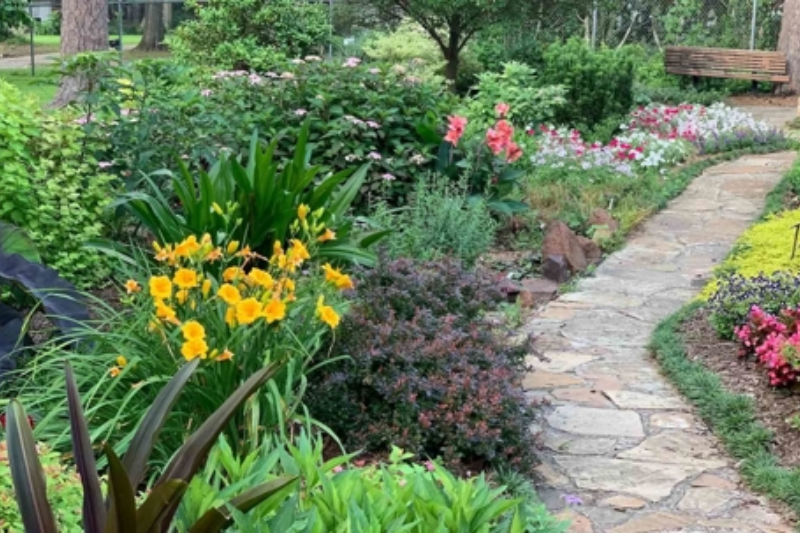
The native plants need less water, fertilizer, and pesticides as they are used to the climate of the areas. They support the natural wildlife and discourage soil erosion, and cut down time and expenditure to maintain them. Native landscaping (by definition) produces lovely, varied gardens that will vary according to seasons and help sustain local ecosystems and minimize the effects on the environment of traditional lawn care methods.
Read Also: Top 5 E-Waste Eco Parks in the World
10. Install Smart Home Technology

Smart thermostats, Water leak detectors, and energy monitoring systems manage the use of the resources automatically. These gadgets observe your routine and increase or decrease heating, cooling, and lighting accordingly, wasting less, and still, keeping you comfortable. Smart irrigation systems read weather information to irrigate gardens on an as-needed basis, and smart power strips prevent phantom loads caused by electronics that are in standby modes.