Why Delhi’s Yamuna Revival Faces Setbacks From Drain Sewage Issues
Despite rising treatment capacity and cleanup drives, untreated wastewater continues entering Yamuna through Delhi’s drains, exposing gaps in sewer connectivity.

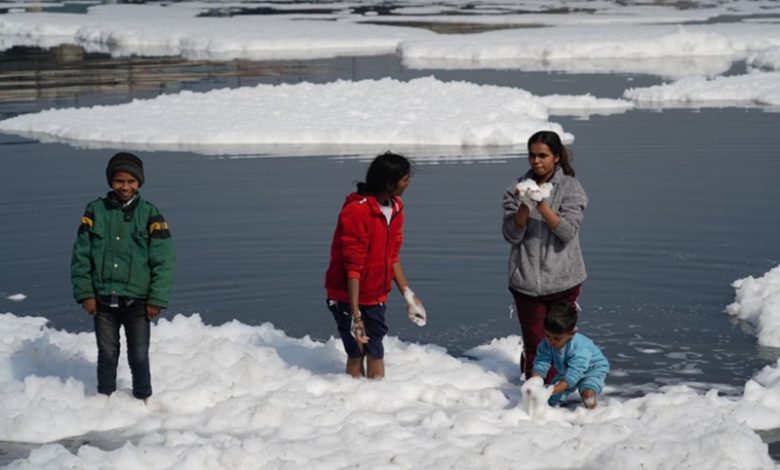
Delhi keeps announcing new Yamuna-cleanup steps, yet the river’s most stubborn problem has not gone away: drains are still carrying wastewater into it. That contradiction is why the Yamuna story feels less like a single pollution crisis and more like a network failure. On paper, the city has upgrades, new projects, more treatment capacity, and fresh deadlines. On the ground, dirty flow, froth episodes, and drain pollution still show up with depressing regularity. The puzzle is no longer whether Delhi has a plan. It is why wastewater continues reaching the river despite years of planning, spending, and official promises.
The Big Gap Is Not Just Treatment Plants
A large part of the problem sits between sewage generation and actual interception. Delhi Jal Board data reported this month said the city’s sewage treatment capacity has risen from 707 MGD to 735 MGD, with installed capacity at 814 MGD, and that 10 sewage treatment plants have been upgraded. But the same round of reporting also said only 11 of the 22 drains flowing into the Yamuna have been fully tapped so far, while plans for others are still underway. That means treatment capacity may be improving, but dirty discharge routes have not been fully sealed. As long as major drains remain only partly controlled, wastewater can still reach the river.
Why Wastewater Still Shows Up In Drains
The issue is not only infrastructure. It is also sewer connectivity, unsewered colonies, mixed flows, and fragmented management. Earlier reporting this year noted that during dry months, around 23 drains discharge nearly 650 cusecs of wastewater into the Yamuna while the river carries little or no fresh water downstream of Wazirabad, leaving almost no dilution buffer. Another structural problem is governance: Delhi’s stormwater drain network is managed by multiple agencies, which makes accountability slower and coordination messy. Add unconnected localities and illegal discharge points, and the river keeps receiving wastewater even when plants are operating.
The Cleanup Machine Has Started Moving Again
This does not mean nothing is happening. In the past two weeks, Delhi has deployed amphibious excavators to clean major drains such as Najafgarh and Pankha Road, and the government has also approved a ₹71 crore in-situ wastewater treatment project for the Delhi Gate drain and the pondage area near Wazirabad barrage. A recent tender has also been floated to measure how much sewage is entering the Yamuna from major drains, which matters because you cannot fix what you are not properly measuring. These are serious interventions, but they are also a sign that the city is still working on the basics in 2026.
Why The River Still Looks Bad Even When Data Improves
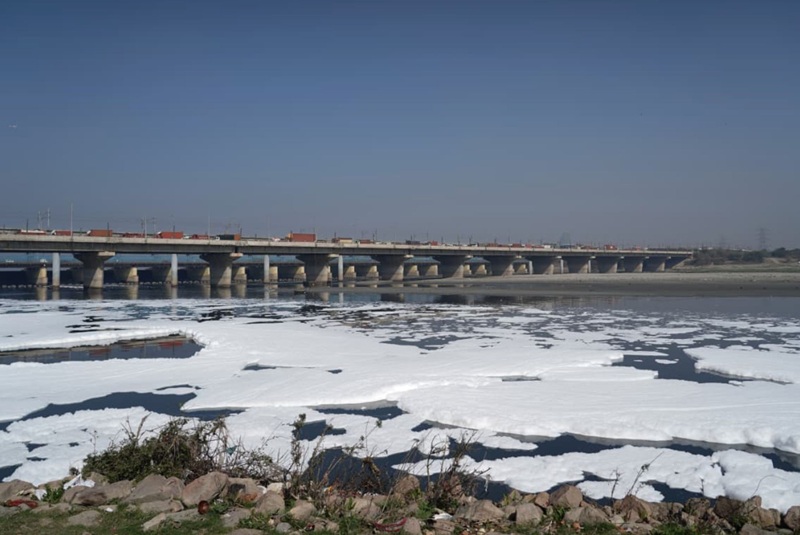
This is the most frustrating part. A report last week said Yamuna pollution levels had declined compared with 2025, yet water quality at the inflow points from major drains and STP outputs had not significantly improved. In other words, the numbers may show some progress, but the visible symptoms do not disappear because the incoming pollution has not been fully stopped. That is why froth keeps returning near Kalindi Kunj and why officials are still conducting inspections and ordering strict action against polluters. Delhi Jal Board’s official Instagram has also continued posting Yamuna- and STP-related updates this month, reflecting how central the issue remains to its public messaging.
The Real Test Is Sewer Connectivity, Not Announcements
Delhi’s Yamuna problem now looks less like a lack of ideas and more like a race between sewage generation and incomplete execution. The city has said surveys of remaining drains and broader sewer-network work will continue through 2026, and the larger promise is to raise treatment capacity dramatically by 2028. But until more drains are tapped, more colonies are connected, and mixed wastewater is stopped before it enters storm drains, the river will keep exposing the gap between plan and practice.
FAQs
Why does Yamuna still receive wastewater despite cleanup plans?
Because many drains remain untapped, colonies lack sewer links, and wastewater still enters mixed networks.
How many Yamuna drains have been tapped so far?
Recent official reporting says 11 of 22 drains have been tapped in Delhi.
What new cleanup measures has Delhi started recently?
Delhi added drain-cleaning excavators, in-situ treatment projects, stricter monitoring, and new sewage measurement tenders.
Why is froth still seen near Kalindi Kunj?
Polluted drain inflows, weak dilution, and incomplete sewage interception keep foam and contamination recurring.
What is the biggest unresolved issue in Yamuna cleanup?
Connecting wastewater sources to sewers before they enter drains remains the city’s hardest challenge.