New Findings on Which Cities Have the Worst Air Quality in the World
New review on which cities have the worst air quality in the world, highlighting PM2.5 hotspots, regional shifts, and the growing strain on urban environments.

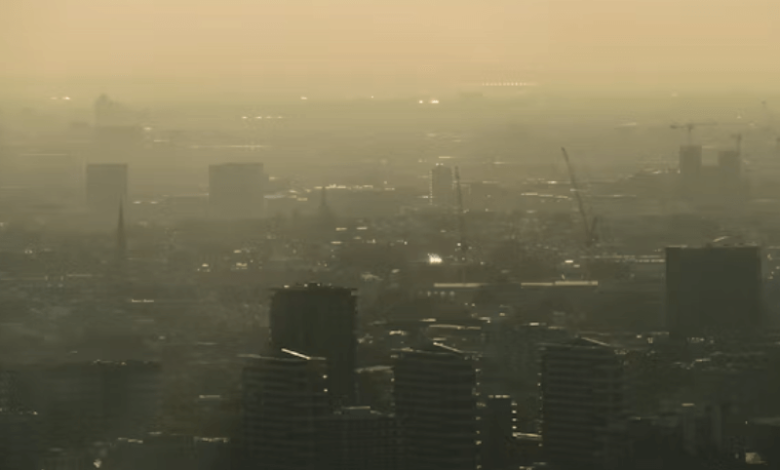
Global Desk: “Which cities have the worst air quality in the world?” keeps popping up. PM2.5 readings keep the phrase “worst air quality in the world” in circulation, and “most polluted cities” lists keep rotating with familiar names. It feels too normal. It is not.
What Defines the World’s Worst Air Quality?
A city earns the “worst” tag when PM2.5 stays very high across weeks, not only during a dusty weekend. AQI also tracks ozone, nitrogen dioxide, sulphur dioxide, and PM10, yet PM2.5 drives most global rankings because health risk is direct. Harsh, yes. Still useful.
How Global Agencies Rank the Most Polluted Cities
Most trackers compare annual average PM2.5 across cities and measure the gap against health guidelines. Live AQI boards show hourly spikes, helpful for daily safety, but less stable for yearly lists. Monitoring gaps can distort comparisons. It annoys people, rightly.
Common methods used in rankings:
- ground stations near traffic and residential zones
- satellite estimates to cover missing areas
- population weighting to reflect exposure
Top Cities with the Worst Air Quality in the World (Latest Data)
Across recent annual PM2.5 rankings and live AQI dashboards, South Asia appears repeatedly, along with a few winter-smog capitals. Exact positions shift with weather, still the same cluster stays near the top. It is uncomfortable reading.
| City | Region | Frequent drivers | Typical peak period |
| Delhi | India | traffic, dust, regional smoke | winter months |
| Ghaziabad | India | NCR spillover, industry, dust | winter months |
| Lahore | Pakistan | smog episodes, transport, industry | winter and spring |
| Dhaka | Bangladesh | kilns, traffic, dense growth | cool season |
| Kabul | Afghanistan | heating smoke, dust | winter |
| Kathmandu | Nepal | valley trapping, fumes, burning | calm-wind days |
| Ulaanbaatar | Mongolia | coal heating, inversions | deep winter |
Metro regions often move together, so pollution spreads across nearby districts fast. That is the frustrating part. People feel stuck.
Emerging Pollution Hotspots to Watch
Some cities climb quickly when vehicle numbers surge and enforcement stays weak. Construction dust also pushes PM2.5 up during dry months. Logistics hubs add diesel pollution that rarely pauses. It is everyday damage, honestly.
Hotspot patterns seen often:
- commuter belts expanding around megacities
- industrial clusters around cement, power, and kilns
- capitals with waste burning and weak collection
Why Certain Cities Experience Extremely Poor Air Quality
Pollution stacks. Congestion raises exhaust emissions, older diesel fleets add soot, and industry adds fine particles when controls slip. In colder places, household heating can push AQI upward overnight. Small sources join hands. The air pays the bill.
Weather then traps it. Low wind keeps particles close to the ground, and inversions lock dirty air into a thin layer. Rain clears the sky briefly, then the cycle returns. Not fair, but real.
Health Impacts of Living in Highly Polluted Cities
Long exposure to PM2.5 links with asthma attacks, chronic lung disease, heart disease, and stroke risk. Hospitals often see more breathing complaints during severe AQI periods, especially among children and older adults. It is not panic. It is a pattern.
Common short-term effects:
- sore throat, burning eyes, persistent cough
- chest tightness and breathlessness on short walks
- headaches and unusual tiredness
People adapt with masks and indoor filters. Life continues, yet it feels like settling. That feeling is real.
Global Actions Being Taken to Improve Urban Air Quality
Governments tighten vehicle standards, improve fuel quality, and expand metro and bus networks. Cities push dust rules at construction sites and target waste burning, though enforcement varies widely. Some measures work. Some stay on paper.
Common actions used across cities:
- stricter industrial limits and filtration upgrades
- cleaner bus fleets and better transit coverage
- public air dashboards and episode alerts
Cities Showing Significant Improvement in Air Quality
Some cities reduced pollution by cutting dirty fuels, tightening industry limits, and managing traffic in central zones. Several places also improved winter air after heating reforms. Progress exists. It takes patience.
Lasting gains need alternatives, like reliable transit and cleaner household energy, not only bans. Without options, rules break quietly. People are people.
Thoughts on the World’s Most Polluted Cities
The worst air quality in the world shows up where traffic, dust, industry, and seasonal smoke collide, and where weather traps pollution close to the ground. Global lists may shuffle, yet the same places keep surfacing because the drivers stay stubborn and city systems stay stretched. Cleaner air needs steady rules, real enforcement, and infrastructure that keeps pace with growth.
It also needs boring work: inspections, cleaner fuels, better buses, waste control, and data people can trust. Not glamorous, still necessary.
Frequently Asked Questions About Global Air Pollution
Which pollutant matters most in “worst air quality in the world” rankings?
PM2.5 matters most because it tracks deep-lung exposure and links strongly with several long-term health risks.
Why do “most polluted cities” lists keep featuring South Asia so often?
Density, traffic, seasonal smoke, dust, and constant construction keep PM2.5 elevated across long stretches.
Do live AQI rankings match annual “worst air quality” lists all year?
No, daily spikes swing hard with weather, while annual averages reflect exposure across many months.
Can a city rank better mainly because monitoring coverage is limited or uneven?
Yes, fewer sensors can miss hotspots, so comparisons improve when networks are broad and transparent.
What practical steps reduce exposure during severe AQI days in cities?
Advisories suggest reduced outdoor exertion, well-fitted masks, indoor filtration, and close attention to alerts.