All You Need to Know About The World’s 10 Dirtiest Beaches
Explore the dirtiest beaches in the world, suffering from pollution and mismanaged waste. Learn why these beaches need immediate international environmental action.

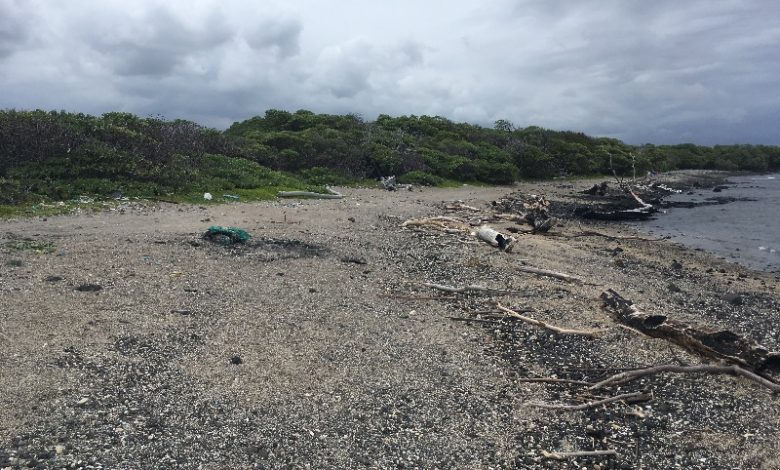
Beaches are generally associated with tranquillity, beauty, and a sense of pure nature; however, not all shorelines can be characterised this way. Beaches across the planet have become direct trash dumps or have been impacted by plastic debris, oil slicks, and sewage outfalls. These areas are a risk to marine life and to the health and safety of visitors and nearby communities.
World’s 10 Dirtiest Beaches
Please find the top 10 polluted beaches in the world ranked by pollution levels, waste, and human activities:
| Rank | Beach Name | Location | Major Cause of Pollution |
| 1 | Kamilo Beach | Hawaii, USA | Plastic waste from ocean currents |
| 2 | Juhu Beach | Mumbai, India | Industrial and household waste |
| 3 | Haina Beach | Dominican Republic | Chemical pollution from factories |
| 4 | Guanabara Bay | Rio de Janeiro, Brazil | Sewage and oil waste |
| 5 | Haina Beach | Puerto Plata, Dominican Republic | Toxic industrial runoff |
| 6 | Freedom Island | Manila, Philippines | Plastic debris and urban runoff |
| 7 | Port Phillip Bay | Melbourne, Australia | Urban pollution and littering |
| 8 | Maya Bay | Thailand | Overtourism and coral destruction |
| 9 | Durban Beach | South Africa | Stormwater pollution |
| 10 | Copacabana Beach | Brazil | Litter and untreated sewage |
Sustainability Awareness and Trash-Free Beach Initiative
If you’re interested in helping to save our planet, check out our Sustainability Awareness Campaign page to learn about the sustainable coastal tourism and waste management programs.
What Leads to This Pollution on These Beaches?
Human negligence, rapid industrialisation, mass tourism, and insufficient waste practices are the main drivers. Over 8 million tons of plastic enter the ocean every year, the bulk of which eventually floats back to beaches. Governments and NGOs are now trying to assist eco-cleanups, yet all forms of beach litter remain a major problem.
What Can We Do To Protect Our Beaches
- Eliminate the use of single-use plastics.
- Participate in beach clean-up events.
- Support a green tourism policy.
- Educate those around you about waste separation.
Frequently Asked Questions
Q1. Which beach has the highest pollution in the world?
Kamilo Beach in Hawaii is often called “Plastic Beach” due to its extraordinary accumulation of plastic debris.
Q2. Does beach pollution represent a threat?
Yes, it damages marine ecosystems, spreads diseases, and negatively affects tourism and livelihoods.
Q3. How can travellers help achieve clean beaches?
By preventing littering, using eco-friendly products, and participating in beach clean-up efforts.