
America’s Disaster Network Feels the Stress of Another Severe Storm
A powerful winter storm is exposing weak points in America’s emergency system, stretching disaster teams and slowing relief efforts as conditions worsen nationwide.

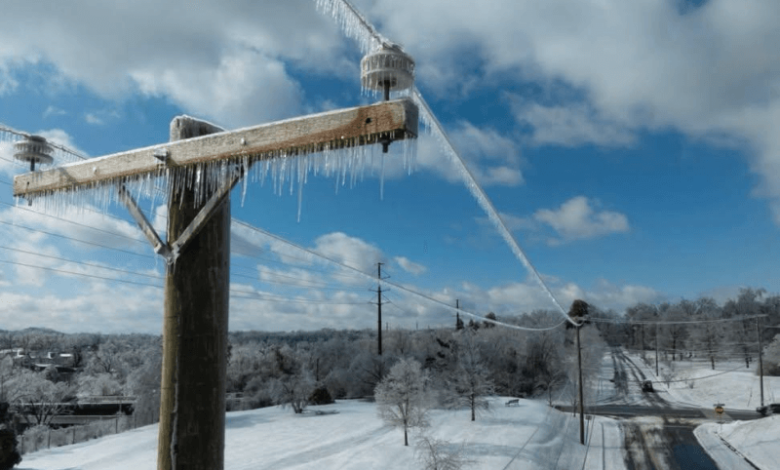
This week’s sprawling January storm has hit the U.S. with a tough mix: heavy snow, crippling ice, and an Arctic blast that lingers after the plows move on. The result is not one problem, but many at once, and that is what strains disaster response. Power crews, EMS, shelters, state DOTs, and federal teams are all working the same event across dozens of jurisdictions.
From Power Restoration To Shelter Demand, Everything Piles Up
At the storm’s peak, more than a million customers lost electricity across multiple Southern states, while travel collapsed under hazardous roads and mass flight cancellations. When outages stretch into a deep freeze, response shifts from “restore service” to “keep people alive.” Local governments open warming centres, hospitals brace for cold exposure, and utilities race to clear ice-loaded trees that keep snapping lines.
The federal layer adds another set of moving parts. Emergency declarations were approved in at least a dozen states, which unlocks federal support but also increases coordination load for FEMA and state emergency managers.
One signal of how wide the impacts have become: energy production was temporarily knocked down by extreme cold, complicating both supply logistics and price spikes during recovery. For a real-time snapshot, The Associated Press posted updates on X as the cold settled in.
The Next Test Is The Back-End Cleanup
Even after skies clear, crews still face a long tail of calls: frozen pipes, burst mains, damaged roofs, and insurance claims that can run into the billions.
Why This Storm Feels Different
Because it hit so many regions at once, it stressed the same finite resources: linemen, tow trucks, shelter staff, and fuel for generators.