
Record Winter Heatwaves and What They Mean to 2026
Climate patterns across the world are changing due to record-breaking winter heatwaves. This is what these strange winter temperatures are pointing to in 2026 and risks in the future.

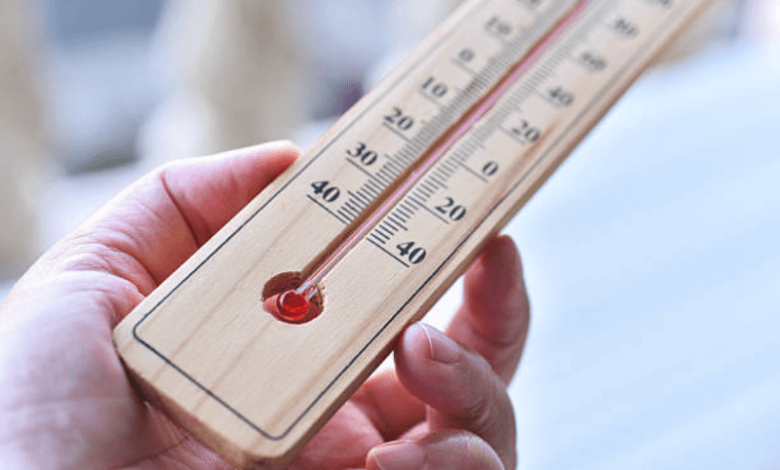
High anomalies in terms of winter heatwaves have ceased to be a rare occurrence as a significant global event that is redefining how scientists, governments, and communities perceive climate risk. These unusual warm January days in Europe or disturbed winter seasons in Asia and North America are confronting long-held assumptions of the stability of cold weather. Frequently, climate experts predict that by 2026, there is a high probability that winter heatwaves may become more frequent, intense, and disruptive. Their consequences go well beyond warm weather- the ecology, water security, human health, and energy. It is important to know what these winter heatwaves portend so that when the world is rapidly warming, societies are prepared in advance.
Why Winter Heatwaves Are Breaking Records Worldwide
Increasing Global mean temperature.
The global warming temperature is one of the most evident causes of winter heatwaves. Even winter months, as temperatures get to higher levels at the baseline, are getting excessively warm, pushing averages of the season to highs.
Disrupted Jet Streams
Scientists cite the fact that the jet streams are weakened and shaky as a significant cause. These air currents that normally hold cold air imprisoned in the poles are becoming volatile as the warm air flows in greater amounts in areas that are usually cold.
Urban Heat Amplification
The urban heat island effect is increasing exposure of cities to winter heatwaves. Concrete, asphalt, and lesser green cover absorb the heat, and thus the warmth of winter is enhanced in the cities.
Reduced Snow and Ice Cover
The amount of snow is less; therefore, less sunlight is reflected into space. This enhances warming, and this becomes a response that leads to a heatwave phenomenon in winter, which becomes more intense and prolonged.
What Winter Heatwaves Signal for 2026 and the Future
Ecosystem Disruption
Plant and animal life cycles are confused due to warmer winters. There is an increasing rate of early flowering, late hibernation, and the survival of pests, which is endangering the biodiversity of the environment and agriculture as well.
Risks in Water and Food Security.
The heatwaves in winter lower the snowpack in mountain areas, which are essential in the provision of freshwater. This would put a burden on irrigation systems and the availability of drinking water in most countries by the year 2026.
Public Health Concerns
Even though cold-associated diseases might decrease, they are replaced by winter heatwaves that are also hazardous. Allergies are more durable, infectious insects increase their area of activity, and at-risk groups experience heat stress, which was not anticipated.
Energy System Strain
The warmer winters decrease heating needs; however, they augment total energy volatility. Extreme weather patterns like sudden increases and decreases in temperature are a challenge to the power grids, particularly as severe weather patterns increase.
Danger Signal, Not an Exception.
Scholars indicate that winter heatwaves do not occur as single events. They are a bright indicator of the increasing rates of climate change, and policymakers should enhance climate response and mitigation frameworks before 2026.