Why Wildfire Season Across the World Feels Longer in Every Region
Wildfire season worldwide is stretching as heat and drought rise. Learn why fires last longer, key regional risks, and how communities prepare.

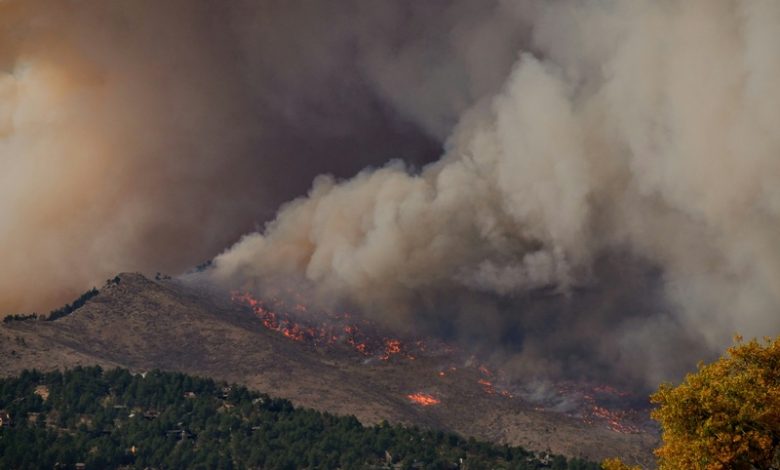
Wildfire Season Across the World now stretches across calendars and continents. The phrase appears in travel advisories, health bulletins, even school notice boards. Air turns metallic in some towns, skies brown out by noon, and officials track flames like storms. That’s the new baseline, and not a comfortable one.
What Is a Wildfire Season?
Wildfire season refers to the months when heat, low humidity, and dry vegetation line up and make ignition hard to stop. Earlier it sat inside a neat window. Now the window slides. Snow melts sooner in some regions. Monsoon breaks arrive late elsewhere. Lightning strikes on hot afternoons tip small sparks into stubborn burns. Simple idea, difficult reality.
Global Overview of Changing Wildfire Patterns
Patterns show longer danger periods and faster spread in certain landscapes. Boreal forests dry out earlier, and Mediterranean hills heat up sooner, then stay that way. Total burned area may dip in some savannas due to land use, yet high-intensity fires in dense forests rise. People report smoke days in cities that never planned for it. Feels strange sometimes, like the season forgot its old route.
Wildfire Seasons by Region
Regional calendars still help planning, even if they wobble a bit.
| Region | Typical peak months | Notes |
| Western North America | July to September | Lightning and strong winds push large fires; WUI on edge |
| Europe and Mediterranean | June to August | Heatwaves turn hillsides brittle; north sees more days now |
| Australia and Oceania | October to March | Bushfire risk jumps in hot, dry spells tied to climate cycles |
| Amazon and Tropical S. America | July to October | Dry season meets land clearing; smoke travels far |
| Sub-Saharan Africa | Seasonal by belt | Frequent savanna burns; exposure grows with population |
| South and Southeast Asia | Pre and post-monsoon | Forest floor dries, peatlands smoulder, visibility drops |
| Arctic and Boreal Asia | May to August | Peat and conifer fuels release deep heat; tough to mop up |
Officials say the table helps crews pre-position gear. It is a guide, not a guarantee. That’s how they see it anyway.
Climate Change and Its Influence on Wildfire Seasons
Hotter days arrive in longer runs. Nighttime cool-down weakens, so fire lines breathe heat even after sunset. Drought digs in, then wind arrives on cue and carries embers past roads and ridgelines. The result is a season that starts earlier, peaks harder, and retires late. Some years it barely sits down at all.
Key Drivers Behind Global Wildfires
Natural triggers still matter. Dry lightning on a hot ridge. Downslope winds that roar like a train at midnight. Vegetation cured by long sunny weeks.
Human triggers stack on top. Power faults near brush. Field burns that escape. Construction sparks on a breezy day. Expansion of homes into flammable edges, which makes small mistakes very expensive. Sometimes it’s the small habits that matter.
Impact of Wildfires on Health, Economy, and Environment
Smoke moves faster than flames and reaches people far away. Eyes sting on morning walks. Asthma peaks. Clinics hand out simple masks first, air purifiers later. Businesses close for a week, then reopen with fewer staff on the floor. Forest structure changes after repeated heat, wildlife shifts range, streams run warmer. Insurance officers talk in cautious tones. No drama, just numbers that keep climbing.
How Countries Are Preparing and Responding
Crews cut fire lines before heat spikes, run prescribed burns in cooler months, and thin fuel along roads that double as escape routes. Cities revise building codes and push for ember-resistant vents and cleaner perimeters. Public agencies post daily risk maps, push alerts to phones, and open clean-air rooms during thick smoke.
Procurement teams order longer-range aircraft and more night-capable gear. Simple steps, done early, save trouble later.
Safety Tips for Residents and Travellers During Fire Season
Short, practical, repeatable. That is the point.
- Check official fire danger and air quality each morning before trips or outdoor events.
- Keep an N95 pair in bags; one for the day, one spare, no fuss.
- Pack a small go-kit in cars with meds, chargers, light snacks, water.
- If smoke thickens, close windows, run a purifier or a simple DIY filter.
- Park facing out in driveways during high-risk days. That small detail helps.
- On trails, avoid hot work and respect local fire bans. Common sense still wins.
Future Outlook for Global Wildfire Risk
Analysts expect longer risk windows in regions that already see hot, dry summers, plus fresh exposure in places that rarely faced large fires. More homes sit near burnable edges now, so planning shifts from seasonal to year-round. Investment will move toward early detection, better public messaging, and sturdier building design. Progress will feel slow some weeks, then very visible after one well-handled incident.
FAQs
Q1. Why does the global wildfire season feel longer now in many regions of the world?
Longer heat spells, weaker night cooling, and dry vegetation extend the window when fires start fast and spread harder than before.
Q2. Which months usually mark the peak for Wildfire Season Across the World across major regions?
Peaks vary, yet mid-summer for North America and Europe, late spring to summer for boreal zones, and dry-season months in the tropics still guide planning.
Q3. How does smoke from distant fires affect city life and public health during peak months?
Fine particles reduce visibility, irritate lungs and eyes, and push clinics to prepare for spikes in respiratory cases across all age groups.
Q4. What practical home-level steps reduce risk during an active wildfire season near communities?
Clear dry leaf litter, seal vents with ember-resistant screens, keep hoses ready, and maintain a tidy five-metre zone around walls and decks.
Q5. Why are travellers advised to track air quality and fire maps even for short weekend trips?
Road closures, poor visibility, and sudden evacuation orders can disrupt plans, so quick checks help avoid detours and last-minute scrambles.