What Happened Along Mexico’s Gulf Coast Near Coatzacoalcos? Oil Spread, Polluted Reserves And Cleanup Challenges Explained
A complex oil spill near Coatzacoalcos spread along Mexico’s Gulf, hitting protected areas, disrupting fishing, and raising serious cleanup and monitoring concerns.

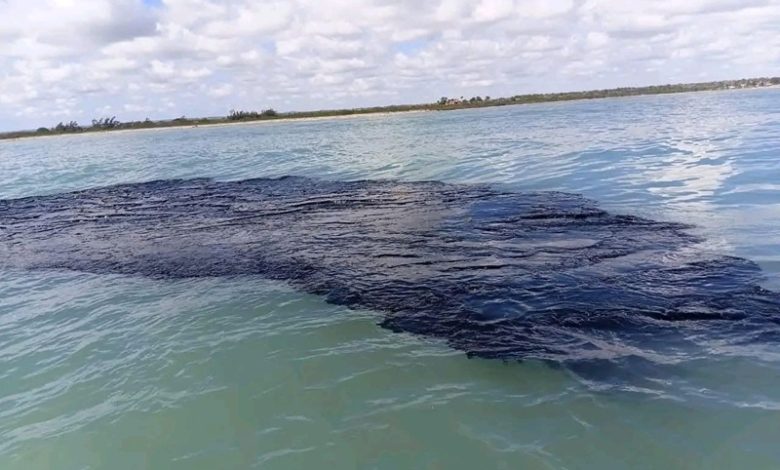
What began as dark residue washing onto beaches near Coatzacoalcos has turned into one of Mexico’s most worrying coastal pollution stories this March. Authorities now say the contamination was not tied to one single point alone. Instead, they traced it to a likely tanker discharge near the port zone and two natural seabed oil seeps, one close to Coatzacoalcos and another in the Bay of Campeche. That mix made the spill harder to map, harder to stop, and easier for currents to keep pushing toward shore.
The scale is what pushed the story beyond a local beach cleanup. Mexican officials said the spill spread more than 600 kilometers, with about 200 kilometers of coastline affected across Veracruz and Tabasco. Reports from Coatzacoalcos and nearby communities showed tar-like residue coating sand, disrupting fishing trips, and raising fears for tourism just before the Easter travel period. Residents and environmental groups also warned that some of the contamination may still be offshore, which means fresh slicks could continue washing in.
Why This Spill Became A Bigger Environmental Problem
The biggest concern is not only dirty beaches. The spill reached protected ecosystems, with authorities saying seven natural reserves were affected, including Los Tuxtlas, the Veracruz Reef System, and the Centla Wetlands. Officials reported contamination in sea turtles, birds, and fish, while conservation groups said wildlife deaths and reef damage were already being reported from the wider Gulf corridor. That is why this story has moved from a shoreline incident to a broader test of marine protection and emergency response.
Why Cleanup Has Been So Difficult
Cleanup crews have already removed large amounts of waste, with official tallies ranging from about 95 metric tons in earlier stages to 430 tons of hydrocarbons more recently. But the response has been slowed by one basic problem: the source was unclear for weeks. Satellite tracking, drone flights, maritime patrols, and ocean-current studies were needed just to narrow down where the oil came from and how it was moving. Pemex says it deployed booms, recovery vessels, and brigades with federal agencies and local communities, yet officials also admit at least one natural seep remains active.
Official Response And The Public Trust Problem
That uncertainty has fed public anger. Local communities said information came slowly, while officials insisted severe environmental damage had not been confirmed. Still, the combination of polluted reserves, stained beaches, fishing losses, and repeated images from Veracruz kept the issue alive. Pemex has shared official updates on X, while its March 13 statement described a unified federal response involving Semar, Semarnat, Profepa, ASEA, and local authorities.
Read Also: How Hill Construction Could Change Kodagu’s Ecology
FAQs
1. What caused the oil to spread near Coatzacoalcos?
Authorities say a tanker discharge and two natural seabed seeps likely caused the contamination together.
2. How far did the pollution spread?
Officials said the spill stretched over 600 kilometers, affecting coasts in Veracruz and Tabasco.
3. Were protected natural areas affected?
Yes, seven protected reserves were impacted, including reef, wetland, and biosphere zones in Mexico.
4. Why is cleanup taking so long?
Offshore residue, moving currents, and uncertainty over the main source made containment much harder.
5. Did the spill affect local communities?
Yes, fishing, beach activity, tourism confidence, and wildlife protection work were all disrupted badly.