New Realities Shape 2025: What Does Climate Justice Mean This Year?
What does climate justice mean in 2025? Unequal heat, rising costs, legal pressure—see how fairness and stronger support define climate justice this year.

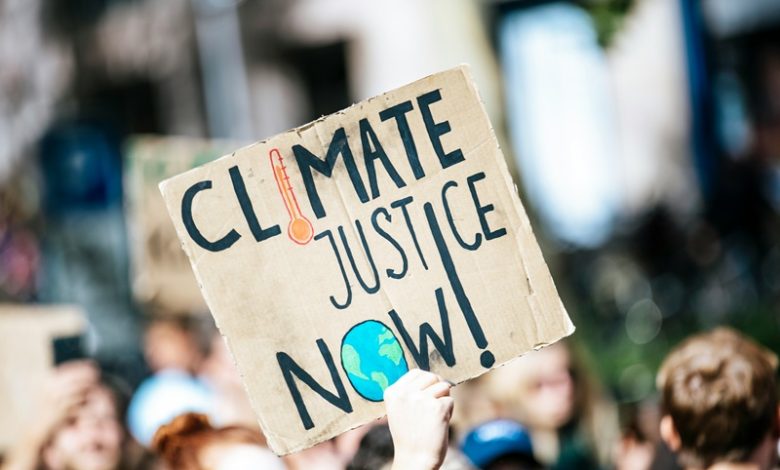
Morning heat already sits heavy in the air. A schoolyard water tank runs dry, again. The headline asks a direct question: What Does Climate Justice Mean in 2025. It points to fairness in risk, money, and voice. Put simply, climate justice in 2025 means rules that match reality on the ground. That’s how this report frames it anyway.
What Climate Justice Means in 2025
Climate justice centres on who caused the damage, who pays, and who decides. In 2025, the term anchors finance for adaptation, rights in relocation, and fair energy transitions. The focus has moved to legal duties, not polite appeals. Loss and damage talks, city heat plans, and safer jobs in clean power. All tied to equity. Short line, big work.
How the Concept of Climate Justice Evolved by 2025
Two decades back, climate justice sounded like a slogan at rallies. By 2025, it sits in policy notes, courtrooms, and budget sheets. Activists spoke first. City planners picked it up. Then insurers, after back-to-back flood losses. Now ministries write timelines for sea walls, cooling shelters, and worker reskilling. A quiet shift, but firm. It grew case by case, street by street.
The pivot came through lived experience. Farmers shifting sowing dates. Health workers counting heatstroke cases on peak afternoons. Port towns hearing sirens more often during high tide. Ideas changed because people needed them to change. Sometimes it’s the small habits that matter.
Core Principles Shaping Climate Justice in 2025
Four anchors hold the term steady.
- Distributive fairness so costs and relief are shared by capacity and responsibility.
- Procedural fairness so local voices sit at the table early, not at the end.
- Recognition so groups at higher risk are seen, named, and protected in plans.
- Intergenerational duty so tomorrow’s kids do not inherit a broken house.
There is one more. Transformative change. Not cosmetic tweaks. It means clean energy that also means good jobs, safer housing, and cheaper transport. Otherwise the word justice rings empty. Feels harsh, yes, but true.
Comparative Overview – Climate Action vs. Climate Justice
| Aspect | Climate Action | Climate Justice |
| Main goal | Cut emissions, adapt to risk | Fairness in costs, decisions, outcomes |
| Who decides | Often national or corporate plans | Shared with local, frontline groups |
| Money focus | Efficiency, speed | Equity, capacity, repair |
| Measures | Renewables, EVs, offsets, dykes | Targeted relief, safer jobs, rights, relocation |
| Test of success | Tonnes reduced, assets protected | Lives made safer, dignity kept, consent recorded |
Side note. Both are needed. Justice keeps action honest. Action gives justice teeth. That’s how many practitioners see it.
Global Shifts Defining Climate Justice in 2025
Courts now read climate harm as rights harm. That changes tone. Climate finance moves from broad pledges to line items with dates. Cities design heat action plans with shade audits, cool roofs, and early warning SMS in local languages. Coastal states push for loss and damage channels that do not stack debt. Insurance models update risk maps every season. No one enjoys those meetings, still they happen.
A second shift: frontline knowledge takes the lead. Indigenous fire stewardship in dry belts. Women’s self-help groups running micro-insurance. Fisher cooperatives mapping safe harbours with low-tech markers. It sounds simple, and that’s the point. Practical beats are flashy.
Climate Justice Challenges in 2025
Gaps show up in the same places every year. Finance that arrives late. Projects drawn in capital cities, applied in distant districts with little context. Land conflicts around new transmission corridors. Heat plans that do not include informal workers who start before sunrise. Data deserts in rural blocks. And fatigue. People get tired of workshops. They want water points that work through May. Perfectly fair.
Pricing carbon without hurting low-income households remains tricky. Meanwhile, relocation plans for sinking wards stall on land titles. Policy teams juggle speed and consent. Hurry too much, invite pushback. Wait too long, lose homes to the next storm. That is the tightrope.
Climate Justice in India and the Global South (2025 View)
In many Indian districts, climate justice reads like a daily routine. Shade at bus stands. Cold rooms in PHCs before the 2 p.m. rush. Flood-resilient anganwadi sites with raised plinths. And yes, cyclone shelters that double as community halls. Clean energy adds another layer. Rooftop solar in schools, solar pumps for small farms, battery swap points for e-rickshaws near markets. Not glamorous, but helpful.
Across the Global South, the task stays consistent. Grants for adaptation, not fresh loans. Local say in project design. Technology that is serviceable in small towns. And predictable finance, because broken timetables break trust. Feels obvious, still needs repeating.
FAQs on Climate Justice in 2025
1) What does climate justice in 2025 mean in plain words?
It points to a setup where high emitters carry more costs and frontline communities gain timely support without fresh debt or delayed relief. Simple framing many follow.
2) How is climate justice different from climate action today?
Climate action cuts emissions, while climate justice checks if that progress protects low-income families, land rights, and jobs so no one gets pushed aside. Basic, but needed.
3) What shows up on the ground when justice is taken seriously?
Local alerts, quicker insurance payouts, heat shelters, worker reskilling, and relocation that has schools and clinics ready before people shift. Quiet changes, steady impact.
4) Why does finance design matter so much for justice?
Grants prevent new burdens and predictable disbursal helps districts plan water, health, and housing upgrades without chaos. People trust systems that run on time.
5) What can a city department do next quarter without waiting for big funds?
Mark heat hotspots, plant shade, set up rest points, repair water kiosks, and share simple progress dashboards. Small steps that hold communities together.