Global Risk Rising: Fresh Climate Report Flags Water Scarcity As Key Threat
Fresh Climate Report Flags Water Scarcity As Top Global Environmental Risk with urgent signals on shifting water cycles, high demand zones, and mounting environmental pressure.

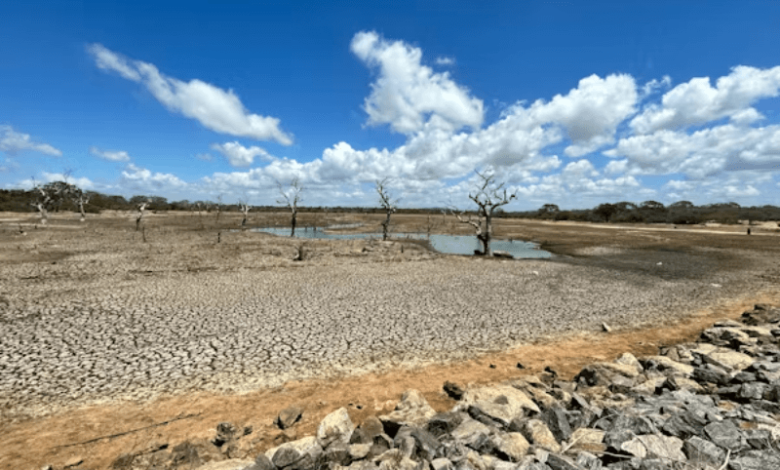
The report maps how the global water cycle is turning uneven. Rain arrives late, then arrives heavy. Rivers swing between low flows and sudden surges. Groundwater drops quietly until wells begin to taste metallic or turn muddy after pumping. Officials and researchers quoted in the report describe water scarcity as a risk that spreads fast across sectors because water sits inside everything, food, power, health, and urban planning. It is a chain problem.
Key Insights Highlighting Water Scarcity as a Top Global Risk
One clear message lands early: water scarcity no longer stays limited to dry belts. New pockets of stress show up in places that usually trust their reservoirs. Another message, a little blunt, is about predictability. The old calendar logic fails more often now. Planners cannot assume a stable monsoon pattern or a stable winter recharge season.
There is also a sharper focus on compounding pressure. Heat days rise, demand rises, evaporation rises, and storage loses efficiency. It sounds technical, but households notice it in smaller ways, longer tanker queues, louder pumps at night, and weekend water cuts that feel routine.
How Climate Change Intensifies Global Water Shortages
Higher temperatures pull more moisture out of soil and open water surfaces. That means the same rainfall can deliver less usable water. Hotter nights matter too, because the land does not cool enough to slow evaporation. Storm patterns shift, and rain arrives in bursts that rush off streets and fields, leaving less time for recharge.
And there is a human angle that feels oddly personal. People step outside at 2 pm, feel the heat on the skin, smell warm dust, and then run fans longer. Electricity use rises. Power systems often depend on water. The loop tightens. A small irritation becomes a system strain.
Human and Economic Drivers Behind Rising Water Scarcity
The report points at demand growth that rarely gets honest airtime. Cities expand, peri-urban areas sprawl, and piped networks struggle to keep pace. Agriculture stays the biggest user in many regions, and irrigation choices can lock scarcity in place for decades. Industry adds another layer, especially in water-intensive manufacturing zones.
A practical frustration appears often: leakage. Water lost in pipes and channels can be massive, and it is not glamorous to fix. Digging roads, replacing lines, coordinating agencies, handling complaints. It is real work sometimes, but that is where large savings hide.
Environmental, Social, and Economic Impacts of Water Stress
Water stress hits ecosystems first, then people notice later. Wetlands shrink. River stretches warm up. Fish kills rise in heat waves. Farmers face yield swings, and the price impact travels into markets. Hospitals see seasonal spikes in dehydration and water-borne illness patterns when supply and sanitation break.
Economic damage rarely arrives as one big headline. It arrives as delays, supply disruptions, and rising costs for treatment and pumping. Households pay in time too. Someone stands near a community tap in the early morning chill, waiting, listening to containers knock against each other. That time never returns.
Regions Identified as Most Vulnerable to Water Scarcity
The report groups vulnerability around arid and semi-arid zones, high-growth urban corridors, and regions dependent on glaciers or snowpack. Coastal cities also appear, not because rain disappears, but because salinity and over-extraction squeeze freshwater sources.
| Region type | Common stress signal |
| High-growth cities | Demand outruns supply upgrades, pressure drops, tanker dependence rises |
| Irrigated farm belts | Groundwater falls, pumping costs rise, wells deepen year after year |
| Snow and glacier-fed basins | Seasonal flows shift, late-summer shortages become more common |
The table reads simple, but each row carries hard consequences. And it does not spare wealthy regions either.
Recommended Global and National Actions from the Report
The report leans on three priorities: measure better, manage demand, and protect supply. Better measurement means open data on aquifers, river flows, and withdrawals, not just rainfall charts. Demand management means pricing, incentives, crop planning, and reducing losses in networks. Protecting supply means watershed restoration, pollution control, and maintaining environmental flows.
A repeated idea is coordination. Water, power, housing, health, and agriculture often sit in different departments. Scarcity does not respect department lines. That part feels obvious, yet it remains a common headache.
Technological and Policy Solutions for Managing Water Resources
Technology appears as support, not magic. Smart meters can spot leaks early. Treated wastewater reuse can cut fresh demand in industry and landscaping. Efficient irrigation, soil moisture monitoring, and crop scheduling can reduce waste without harming output.
Policy tools include tighter groundwater regulation, better building codes for rainwater harvesting, and procurement rules that reward water-efficient operations. Some cities also push for district-level water audits. Not exciting, but effective. The report’s tone suggests patience and discipline, not drama.
What Communities and Individuals Can Do to Reduce Water Stress
The report keeps community action practical. Fixing local leaks, maintaining recharge pits, protecting lakes and ponds, and reporting illegal borewells can matter. Housing societies can track consumption weekly, not yearly. Small habits can add up, but the bigger win comes via system fixes like repairing distribution lines and using treated water in non-drinking uses.
And yes, behaviour change sounds dull. Still, when a neighbourhood reduces peak demand, supply pressure stabilises. Fewer arguments at the tank. Less panic buying of water cans. Daily life improves in visible ways.
FAQs
1) What does the climate report mean by water scarcity being the top global environmental risk?
It means water shortages can trigger fast damage across food, health, energy, and economic systems at once.
2) How can cities reduce water scarcity without large new dams or major river projects?
Cities can cut leakage, reuse treated wastewater, manage peak demand, and protect local recharge zones consistently.
3) Why does heat make water scarcity worse even when rainfall totals look normal on paper?
Higher heat increases evaporation and soil moisture loss, so the same rain often delivers less usable water.
4) Which sectors face the earliest disruptions during water stress events described in the report?
Agriculture, urban supply networks, and power systems often show strain first, then health and markets follow.
5) What daily actions match the report’s advice without turning life into constant restriction?
Tracking usage, fixing leaks quickly, using non-drinking water for cleaning, and supporting local lake restoration helps.