
Waste Segregation Explained: A Simple Guide
Learn waste segregation easily. Discover wet, dry, and hazardous waste types and how to separate them at home to reduce pollution and improve recycling.

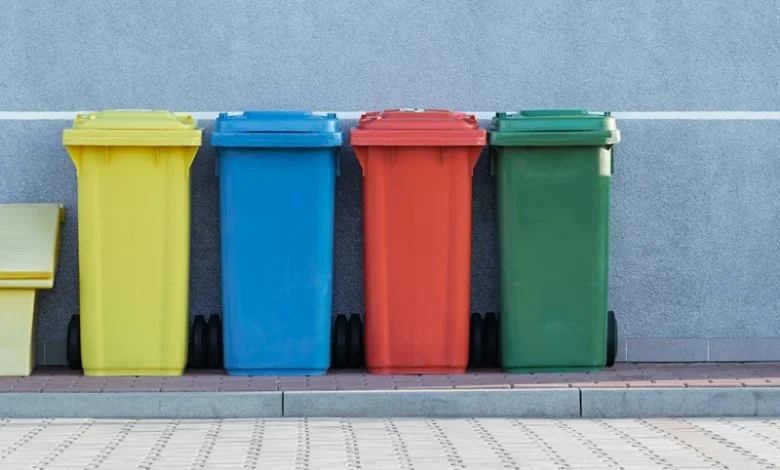
Separating waste into several categories (i.e., waste segregation) will allow for correct recycling, reuse, or disposal of waste materials.
If you mix up your recyclable materials, they will become contaminated and usually end up in the landfills as a result. Countries such as India produce a considerable amount of waste each day, and waste will become harder and more costly to manage without being segregated. Segregated waste at the point of creation will reduce pollution, enhance recycling efficiency, and positively impact our climate.
The Main Types of Waste and How to Separate Them
The three main types of waste and how they can be separated:
Wet Waste (Biodegradable) – This refers to discarded food materials e.g., vegetable and fruit skin, garden waste, tea leaves, etc. All these organic materials can naturally decompose and can be used to create compost.
Dry Waste (Recyclable) – Items such as paper, cardboard, plastic, metals, and glass are included within this category. These recyclable materials can be reused and should remain uncontaminated and dry.
Hazardous/Special Waste – This refers to items such as batteries, electrical waste, pharmaceutical drugs, paint, and chemicals. These hazardous/special waste types must be disposed of using different methods, or they will cause harm to the environment.
The easiest and most effective way to manage your waste in a responsible way is to separate these three waste types at home.
How to Practice Waste Segregation at Home
The first step towards practising waste segregation in your home is to use different containers for the various types of waste (i.e., wet, dry and hazardous waste), and develop the habit of doing the following:
- Dispose of food waste in your wet waste bin
- Keep plastics, paper and metals clean and separate prior to disposing of them
- Store batteries, old electronics and chemicals separately so they can be safely disposed of
Promote the practice of proper waste segregation throughout your entire household so that everyone participates in this new habit consistently
The key to establishing a new habit is to create a routine; even small changes in your daily habits can have a major impact if you do them consistently.
Stay In The Loop
Which Hyderabad areas face worst heat?
Check the neighborhoods most vulnerable during extreme heatwaves in the city.
Which Indian cities face extreme heat?
Discover the regions across India at highest risk from rising temperatures.
Is major weather shift coming April?
Explore how upcoming weather changes could impact temperatures across India.
Which cities face climate risk 2026?
Check the urban areas under immediate environmental threat this year.
Why Chennai preparing early for heat?
Discover how Chennai is tackling rising temperatures and health risks early.
Final Words
To put it simply, waste segregation is an easily developed habit that has a significant impact. When you segregate your waste at home, you decrease the amount of pollution produced, you save valuable resources, and you ensure that recycling works effectively. Waste segregation is one of the most effective ways to make a positive contribution to protecting our environment and having a sustainable future.
FAQs
1. What is the importance of separating garbage?
Separating garbage decreases the amount of garbage sent to landfills, encourages recycling, minimizes pollution, and maximizes the efficiency of waste management.
2. Can you recycle all different varieties of plastic?
Most plastics are recyclable; however there are some plastics that are treated differently than others, and some can’t be recycled.
3. What happens to separated garbage?
Generally speaking, you would compost wet garbage, recycle dry garbage and properly dispose of hazardous garbage to make sure it is not harmful to our environment.
4. Are there laws for separating garbage within a municipality?
There are many municipalities and townships that have enacted laws requiring the separation of residential and commercial garbage. Anyone who does not follow the garbage separation law can be fined.