Winter Haze In Warsaw: What Fuels Those Persistent PM2.5 Peaks
A closer look at Warsaw’s winter haze, the hold of coal heating across the region, and why PM2.5 levels keep climbing despite citywide clean-air restrictions.

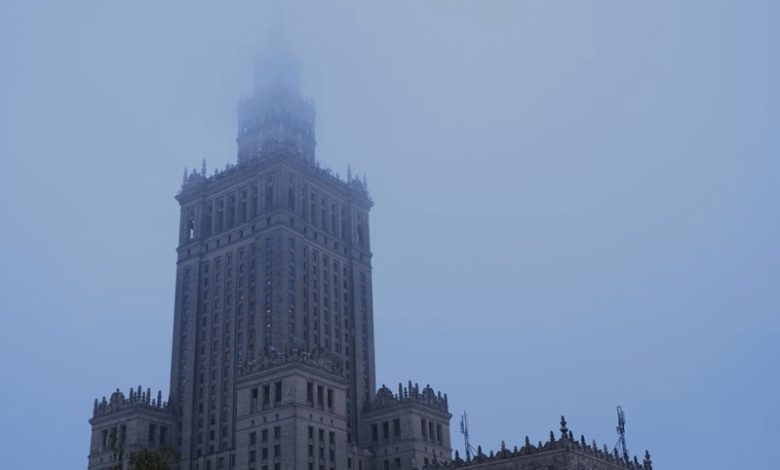
When Warsaw hits a hard, windless freeze, the city can look postcard-pretty and breathe like a chimney. Those “smog days” are usually about PM2.5: tiny particles that slip deep into lungs and spike fast after dusk, when boilers and stoves work hardest and the air stops mixing.
Why PM2.5 Spikes Even In A Modern Capital
Why it keeps happening is less mysterious than it sounds. A big share of winter particulates still comes from household heating across the wider Mazovia region, especially older coal units, and that pollution drifts. Add temperature inversions, and even a clean-looking night can trap yesterday’s smoke close to street level. Air-quality trackers have also flagged Warsaw among the world’s more polluted major cities during winter episodes.
Coal bans help, but they don’t erase history overnight. Warsaw’s coal ban for household heating began in October 2023, yet replacements take time, money, installers, and trust. Research on Warsaw’s energy transition keeps pointing at the same combo: residential heating plus traffic, with winter weather acting like a lid.
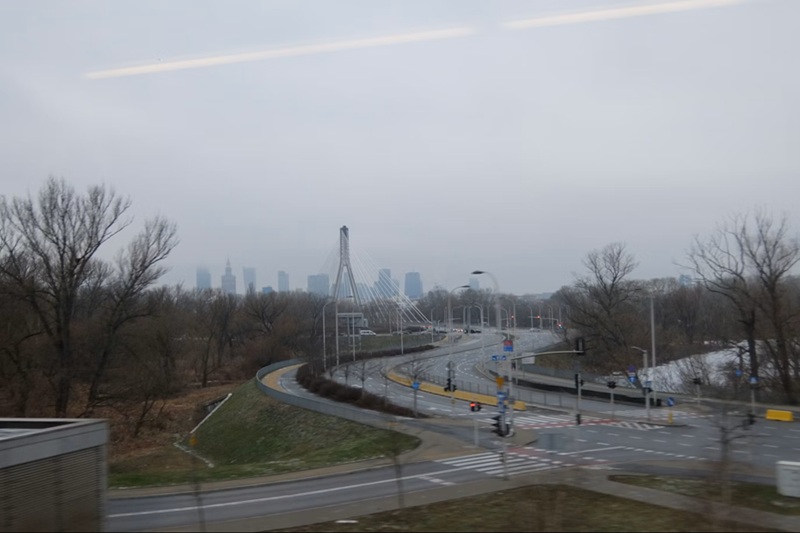
A Social Feed Snapshot
Local outlets keep posting visual “before coffee” warnings when the haze thickens; TVN Warszawa often shares updates on X.
What To Watch And What Works
On bad nights, the practical moves are simple: follow real-time PM2.5 maps, air out rooms briefly at midday, and use a purifier. The long game is bigger: faster boiler replacement, insulation retrofits, and cleaner heat for suburbs, not just the centre—because Warsaw’s PM2.5 doesn’t respect city limits.
External links used above: IQAir, Notes From Poland, MDPI, and TVN Warszawa (X).
FAQs
1. Why do smog days hit hardest at night?
Cold still air traps smoke; PM2.5 from stoves builds fast overnight in basins often too.
2. If coal is restricted, why does pollution persist?
Even with bans, some households use old boilers, cost fears, or illegal fuels today anyway.
3. What should families do during PM2.5 spikes?
Check forecasts, ventilate briefly, use HEPA purifier, and avoid jogging near traffic peaks outside hours.
4. Why do suburbs matter for Warsaw’s air?
City programmes subsidise replacements, but enforcement and regional suburbs’ heating choices still affect Warsaw daily.
5. What reduces PM2.5 most over time?
Long-term, heat pumps, insulation, cleaner district heating, and low-emission transport cut PM2.5 together most reliably.