How Drain-Pipeline Crossings Could Become Vizag’s Hidden Water Quality Risk
Drain-pipeline overlaps in Vizag may pose hidden water safety concerns. Explore contamination risks, repair plans, and monitoring steps shaping public health response.

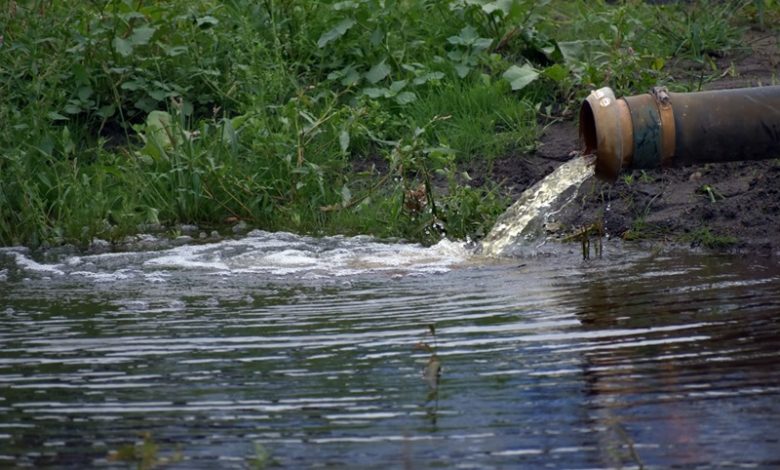
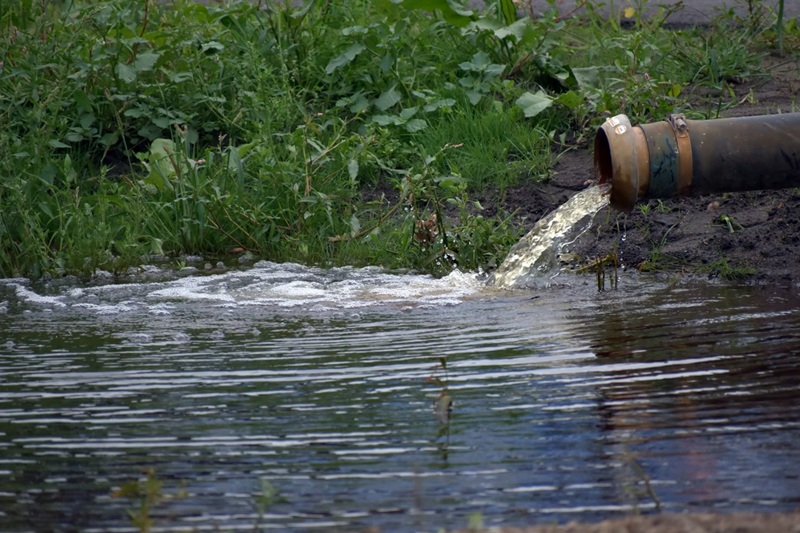
Vizag’s water story usually gets told through supply projects, tank levels, and summer demand. But one quieter risk is now drawing fresh attention: drinking-water pipelines that cross, touch, or run beside drains. A recent report said several such crossings still exist in Visakhapatnam, raising fears that leaks, cracks, or pressure changes could allow dirty water to enter potable lines. The concern is not abstract. It has gained urgency after a diarrhoea outbreak in nearby Srikakulam was linked to municipal water contamination involving E. coli and suspected drainage entry.
Why These Crossings Matter More Than They Look
On paper, a pipeline and a drain can sit near each other without causing trouble. The danger begins when old pipes weaken, joints loosen, or supply pressure drops. At that point, contaminated water can seep inward through faults that may go unnoticed until residents report smell, colour, or taste changes. Andhra Pradesh’s municipal administration department has now issued an SOP that says pipelines passing through drains must be shifted immediately, which shows how seriously the state is treating this risk.
Vizag Has Already Been Fixing The Problem
This is not a new blind spot for the city. In 2024, GVMC said it had identified 398 pipelines crossing drains and had already diverted 340 of them, while increasing testing frequency and daily endpoint sampling across the network. That earlier push matters now because it shows the city already knew the weak points were real. Current reporting suggests the issue has not vanished, especially where older infrastructure still overlaps with open drainage corridors.
The Bigger Issue Is What Happens Before Anyone Notices
The most worrying part is delay. Contamination is not always dramatic on day one. It can begin as a small breach, spread through a pocket of the network, and only become visible after stomach illness starts appearing in clusters. GVMC has been urging residents through its official X and Instagram posts to report leakages, contaminated water, or any change in odour, colour, or taste immediately. That public messaging matters because quick reporting can reduce exposure before a local problem grows wider.
What Could Reduce The Risk Now
The city does have some stronger tools in play. GVMC recently launched Andhra Pradesh’s first mobile water-testing laboratory for on-site checks, and officials have also been talking about daily quality tests, sample registers, and ward-level staff monitoring. But long term, the real fix is boring and structural: relocate crossings, repair leak-prone pipes faster, keep drains desilted, and maintain pressure in the drinking-water network. In a coastal city growing as fast as Vizag, hidden risks like these tend to stay hidden only until the first outbreak forces everyone to look down.
FAQs
1. What makes drain-pipeline crossings dangerous in Vizag?
Leaks and pressure drops can pull contaminated drain water into damaged drinking-water pipelines across neighborhoods.
2. Has GVMC officially acknowledged this kind of risk?
Yes, GVMC and state authorities have flagged drain-crossing pipelines as contamination vulnerabilities needing urgent shifting.
3. Did Vizag already identify affected pipeline locations earlier?
Yes, GVMC previously identified hundreds of drain-crossing pipelines and said many were already diverted.
4. What should residents do if water quality changes suddenly?
Report odour, colour, taste, leaks, or contamination signs immediately to GVMC for urgent inspection.
5. Why is this issue getting attention now?
Recent contamination-linked illness nearby has made old pipeline weaknesses feel more urgent across Andhra towns.