Italy’s Venice Flood Barriers: Are MOSE Gates Enough in 2026?
Explore how Venice’s MOSE flood barrier system is performing in 2026 and whether it can handle rising sea levels and climate change.

Venice has long struggled with flooding, but the MOSE flood barrier system was designed to protect the city from rising tides. The system is being tested more than ever before in 2026, when climate change will cause an increasing rise in sea levels. Although MOSE has been able to contain the occurrence of major floods, professionals are raising concerns about whether it is sufficient to ensure the safety of Venice over the long run. The debate around Venice MOSE gates 2026 highlights both the success and limitations of this ambitious engineering project.
What Are MOSE Flood Barriers?
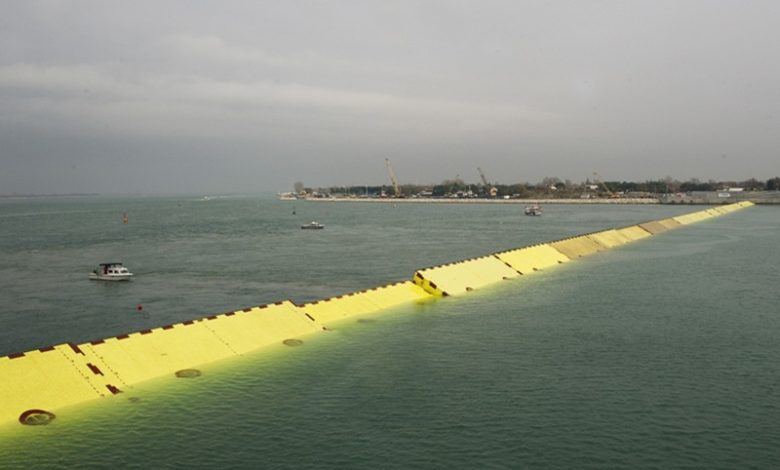
The MOSE (Modulo Sperimentale Elettromeccanico) system is a system made of 78 movable gates that are placed at the inlets of the lagoon. The gates are raised when the sea level is high to prevent the seawater from penetrating Venice and flooding it.
- Designed to protect against tides up to 3 meters
- Activated when water levels exceed certain thresholds
- Operates by lifting gates from the seabed to create a barrier
How Effective Are MOSE Gates in 2026?
The system has proven highly effective in recent years.
- It has prevented over €2.6 billion in flood damage since becoming operational.
- Experts say Venice would have faced severe flooding without the barriers.
- Flood events have significantly reduced compared to pre-MOSE years.
However, the system is now being used far more often than originally planned.
- In early 2026, MOSE was activated 30 times in just 23 days, showing increasing pressure from rising sea levels.
Why Concerns Are Growing
Despite its success, several concerns remain about MOSE’s long-term effectiveness.
Rising Sea Levels
Climate change is causing sea levels in the Adriatic to rise faster than expected. Scientists warn that in the future, the gates may need to be raised almost daily.
Designed for Occasional Use
MOSE was originally designed for occasional extreme events, not frequent operation. Increased use raises concerns about wear, costs, and sustainability.
Limited Lifespan
Experts estimate the system may only remain fully effective until the 2030s without upgrades, due to accelerating climate change.
Environmental and Economic Challenges
Environmental Impact
Frequent closure of the lagoon can affect water circulation, potentially leading to ecosystem changes and reduced biodiversity.
High Costs
- Each activation can cost a significant amount
- Maintenance and long-term operation add financial pressure
- Port activities can be disrupted during closures
Are MOSE Gates Enough for the Future?
The MOSE system is clearly effective in protecting Venice today, but it is not a permanent solution.
- It works well for current flood levels
- Rising seas may exceed their design limits
- Additional solutions (urban elevation, coastal defenses, climate action) will be needed
Experts agree that MOSE is a critical short- to medium-term defense, but Venice will require long-term strategies to survive climate change.
FAQs
What are MOSE gates in Venice?
MOSE gates are movable flood barriers designed to protect Venice from high tides and storm surges.
Are MOSE barriers effective?
Yes, they have significantly reduced flooding and prevented billions in damage.
Will MOSE be enough in the future?
MOSE is effective now, but rising sea levels mean additional solutions will be needed in the coming decades.