Cooling Cities Now: What the Urban Heat Island Effect Really Means
The Urban Heat Island Effect raises city heat levels. See what it is and how cities cool down with smart cooling innovations, greener streets, and climate-ready design.

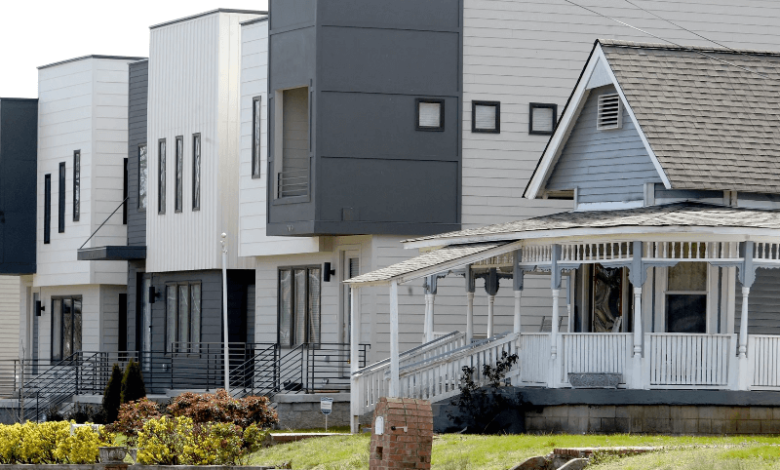
Ever noticed how a city street still feels hot after sunset, while a nearby village cools faster? That is the Urban Heat Island effect. Concrete, asphalt, glass, and low tree cover store daytime heat and release it slowly at night. The U.S. EPA notes cities are often about 1–7°F hotter by day and 2–5°F hotter by night than nearby outlying areas. In a warming world, this gap now matters more for health, power demand, and daily comfort.
Why It Happens, Why It Hurts, And What Cities Can Do Now
Urban heat rises when natural cooling is replaced by hard, dark surfaces, dense construction, and waste heat from vehicles and air-conditioning. Recent climate context makes the risk sharper: WMO confirmed 2024 as the warmest year on record, and later confirmed 2025 was still among the warmest years. That means weak city design now hits harder, for longer summers.
Trendy Moves Cities Are Using Right Now
The playbook is shifting from broad plans to street-level action. Heat.gov says NIHHIS-supported campaigns have helped 80+ U.S. communities map their hottest blocks, so funding can target real hot spots. A 2026 Nature Cities study across 33 U.S. cities found many of the hottest neighborhoods also lost greenery, reinforcing the heat-equity problem.
Phoenix reports cool pavement cuts summer road-surface temperatures by up to 12°F in daytime tests.
Where Policy Meets Public Action
Official updates are now public-facing too. NOAA’s official X update on urban heat mapping showed how cities can apply and mobilize residents as community scientists. The takeaway is simple: plant shade where people walk, cool roofs where people live, and map heat before spending money.
FAQs
1) What causes urban heat islands?
Because dark, hard surfaces absorb sunlight, then release stored heat slowly after sunset in cities.
2) Do trees really reduce city heat?
Trees provide shade and evapotranspiration, lowering temperatures, reducing heat stress, and improving neighborhood comfort daily.
3) Are cool roofs worth it?
Cool roofs reflect sunlight, keep buildings cooler, cut electricity use, and reduce neighborhood heat loads.
4) Why do cities map heat first?
Mapping identifies hottest blocks first, helping cities prioritize trees, shade, cooling centers, and street redesigns.
5) What can local communities do immediately?
Start with shaded bus stops, light roofs, fewer parking lots, and community heat-safety outreach programs.