Why the Triple Crisis Hits Hard: Climate, Pollution & Nature Loss
A fresh look at the Triple Crisis Breakdown: climate extremes, toxic pollution, and shrinking biodiversity. Discover five links that unpack today’s biggest environmental threat.

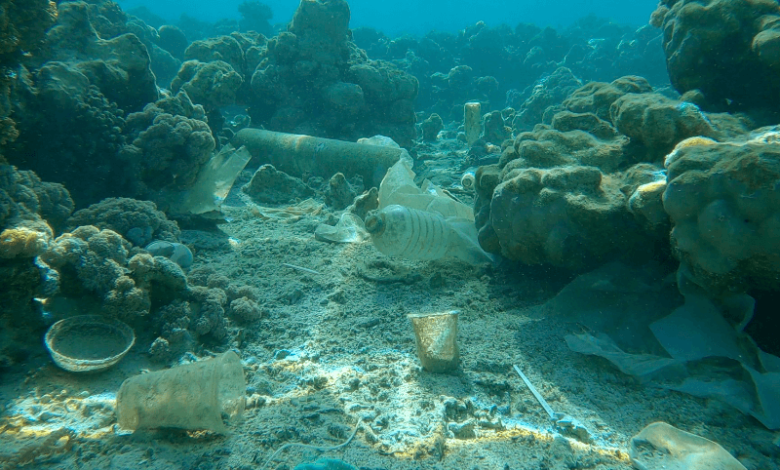
The “triple planetary crisis” is the new shorthand for one ugly reality: climate change, toxic pollution, and nature loss are hitting at the same time, and each one makes the others worse. Heatwaves push wildfire smoke and ozone higher. Floods wash plastics and chemicals into rivers. As ecosystems thin out, disease risk rises and food systems wobble. It is not three separate emergencies, it is one knot.
What’s Driving The Triple Crisis Right Now
Start with the numbers people keep quoting because they land hard. WHO says 99% of people breathe air that exceeds its guideline limits. Wildlife is sliding fast too: WWF’s Living Planet Report (2024) points to an average 73% decline in monitored wildlife populations since 1970. Meanwhile, the plastics treaty talks are still grinding, with the UNEP-led INC process continuing after the August 2025 session ended without consensus.
The Trendy Thread Connecting Today’s Headlines
Policy circles are finally treating these as one system. OECD’s Environmental Outlook on the Triple Planetary Crisis (2025) pushes “joined-up” solutions like clean energy plus clean industry plus cleaner materials. IPBES’ Nexus Assessment backs the same idea: protect biodiversity, water, food, and health together, or you keep paying twice.
Five Links That Do The Homework For You
If you only read five things this week, make it: the UNFCCC explainer that defines the “triple crisis,” WHO’s air-pollution numbers, WWF’s wildlife index, UNEP’s plastics-treaty tracker, and the OECD outlook that connects policy dots. Read them in that order and the headlines start to make sense.
One Post Worth Seeing
UNEP has been calling this out plainly for years; an official post is linked if you want a quick shareable explainer.
FAQs
Why is it called a triple crisis?
Because heat, toxins, and habitat loss reinforce each other, creating faster, wider damage everywhere globally.
What’s the simplest way to explain the solution?
It means cutting emissions, reducing waste and chemicals, and restoring ecosystems at the same time.
Where does pollution fit in, day to day?
Air quality harms lungs and hearts, worsens heat stress, and adds inequity for poorer communities.
Why does nature loss matter beyond animals?
Biodiversity loss weakens food systems, water security, and disease control, raising long-term risks for people.
What can one person do without feeling helpless?
Follow official trackers, support local clean-air action, reduce waste, and vote for science-based policy today.