Toronto Air Quality Alerts: Wildfire Smoke Impact in 2026
Learn how wildfire smoke is affecting Toronto’s air quality in 2026, health risks, and how residents can stay safe during alerts.

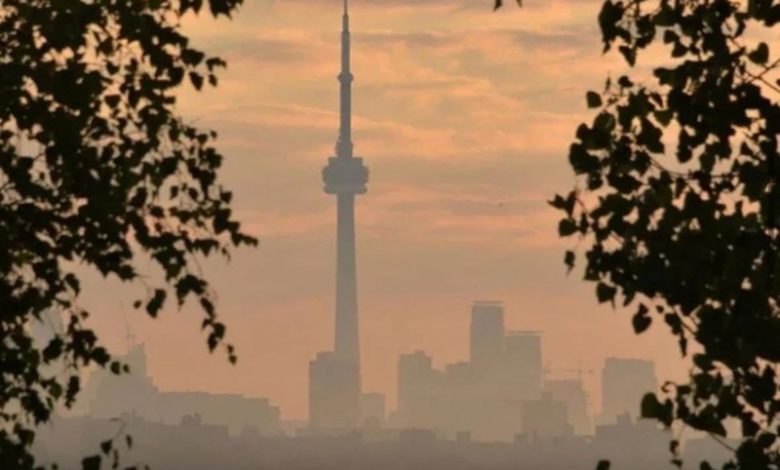
Toronto continues to face air quality alerts in 2026 due to wildfire smoke drifting from other parts of Canada. Massive wildfires, particularly in provinces such as Manitoba and Saskatchewan, are spreading smoke over a great distance and therefore heavily polluting the air in cities such as Toronto. Climate change is increasing the number of such events, which are bringing into question the health of the population and the resiliency of cities. Understanding the impact of wildfire smoke in Toronto is essential for residents to stay safe and prepared.
Why Toronto Is Experiencing Air Quality Alerts
- Wildfire smoke drift: Wildfire smoke can travel hundreds of kilometers and get to Ontario.
- Weather: High-pressure systems can be used to trap smoke near the ground, which increases the pollution rates.
- Climate change: Higher temperatures and drought are escalating the frequency of wildfires in Canada.
These factors combine to create repeated air quality warnings in Toronto.
How Bad Is the Air Quality in 2026?
- Toronto has previously ranked among the most polluted cities globally during wildfire events.
- Air Quality Health Index (AQHI) levels can reach “high risk” or “very high risk” (7–10+), triggering alerts.
- During severe events, authorities issue warnings advising residents to limit outdoor activity.
Air quality can change quickly depending on wind direction and fire activity.
Health Impact of Wildfire Smoke
Wildfire smoke contains fine particulate matter (PM2.5), which can affect health.
- Respiratory issues: Asthma, coughing, and breathing difficulty
- Heart-related risks: Increased strain on the cardiovascular systems
- Vulnerable groups at risk: Children, elderly, and people with existing conditions
Toronto Public Health has developed response strategies to protect residents during smoke events.
How Toronto Responds to Air Quality Alerts
- Air Quality Health Index (AQHI): Real-time monitoring system to inform the public
- Public health advisories: Guidance on limiting outdoor exposure
- Cleaner air spaces: Designated indoor locations with filtered air
Authorities update alerts regularly to help residents stay informed.
How to Stay Safe During Air Quality Alerts
- Limit outdoor activities, especially exercise
- Keep windows and doors closed
- Use air purifiers indoors if available
- Wear masks (N95 or equivalent) when outside
- Stay updated through official AQHI forecasts
These steps help reduce exposure to harmful smoke.
FAQs
Why is Toronto air quality poor in 2026?
Mainly due to wildfire smoke drifting from other provinces, combined with weather conditions that trap pollutants.
How dangerous is wildfire smoke?
It can cause serious health issues, especially for vulnerable groups, due to fine particles in the air.
How can I check air quality in Toronto?
You can check the Air Quality Health Index (AQHI) through Environment Canada or local air quality websites.