Top 10 Indian Cities Leading in Solar Energy Adoption 2025
Ten Indian cities are reshaping the nation’s energy map. From Chandigarh to Ahmedabad, urban rooftops now fuel growth through large-scale solar energy adoption.

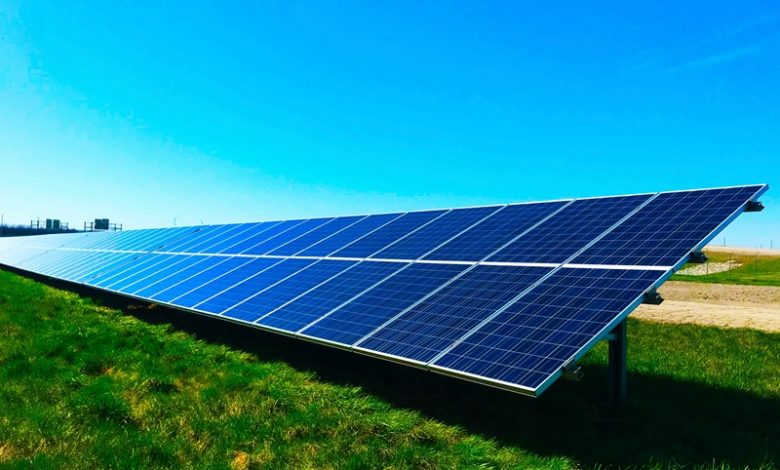
Across India, rooftops are slowly turning into mini power plants. The soft hum of solar inverters now joins the everyday city sounds—traffic, fans, water pumps.
What began as a handful of rooftop projects has grown into a quiet shift in how electricity is made and used. From Chandigarh to Ahmedabad, city after city is learning to catch the sun, inspiring sustainability movements similar to those highlighted in Countries for Green Jobs 2025.
City-wise Adoption Overview
| City | Highlight | Capacity / Projects | Main Driver |
| Chandigarh | 100% solar rooftops on govt buildings | 117 million units yearly | CREST initiative |
| New Town, Kolkata | Declared “Solar City” | Township-scale rollout | Urban smart planning |
| Delhi | Over 17,000 rooftop systems | 228 MW | PM Surya Ghar scheme |
| Bengaluru | Solar parks on old lakebeds | 3.2 GW potential | Space innovation |
| Nagpur | Maharashtra’s top rooftop region | 157 MW | District mission |
| Jaipur | Desert sun powering homes | Rapid residential growth | Rajasthan policy |
| Ahmedabad | Fastest rooftop adoption | State leader | Surya Gujarat drive |
| Pune | Housing societies going solar | 120 MW (approx) | Civic mandates |
| Indore | Solarising public buildings | Expanding coverage | Smart City program |
| Ghaziabad | NCR’s solar expansion zone | Early rollout | UP renewable target |
India’s Cities Turning to the Sun
Every major Indian city now has solar on its agenda. School roofs, metro stations, and housing complexes are covered with panels. Power bills are falling in places that once relied fully on the grid. The shift isn’t loud. It moves like heat on a still afternoon—slow, steady, and everywhere at once.
1. Chandigarh – India’s First Fully Solar City
Chandigarh’s rooftops shine in the midday sun. The city achieved full solar coverage on public buildings through its local body, CREST. Even lakes host floating solar setups that feed electricity straight into public grids.
2. New Town Kolkata – Model for Smart Green Development
New Town was planned with solar in mind. Parks, streetlights, and museums run partly on sunlight. The Solar Dome Museum stands as both a symbol and a classroom for green energy.
3. Delhi – Rooftops Lighting Up the Capital
Across Delhi, rooftops have turned into solar farms. More than 17,000 homes now feed power back into the system under PM Surya Ghar. The city’s combined rooftop capacity already crosses 200 MW.
4. Bengaluru – Innovation Hub Turning Green
Bengaluru ran out of land and made use of its dried lakes. Those old waterbeds now hold solar parks. Corporates, tech parks, and schools keep adding panels, making solar part of daily business.
5. Nagpur – Maharashtra’s Rooftop Powerhouse
Nagpur’s wide lanes and independent homes make installations simple. Over forty thousand houses now generate solar power. The system runs clean and steady through district-level programs that cut paperwork and delays.
6. Jaipur – Rajasthan’s Capital of Sunshine
In Jaipur, sunlight never goes to waste. Homes and small factories run rooftop systems. Even inside the older parts of the city, heritage structures are finding space for clean energy.
7. Ahmedabad – Strong Rooftop Growth Under Surya Gujarat
Ahmedabad remains Gujarat’s solar pride. Suburban houses and markets use rooftop systems installed through the Surya Gujarat scheme. Subsidies and easy applications keep the demand flowing.
8. Pune – Housing Societies Driving Change
Pune’s residents’ groups have made solar common. Apartment blocks share panels and split the savings. Some use extra energy to power elevators and water pumps, cutting monthly maintenance costs.
9. Indore – From Clean City to Green City
Indore’s clean-city image now includes renewable power. Government schools and civic offices depend on solar units. The city is preparing to link solar with its EV charging stations soon.
10. Ghaziabad – NCR’s Next Big Solar Zone
Ghaziabad’s plan is simple—10% of all electricity to come from solar by 2027. Builders are adding pre-installed rooftop mounts in new projects. The municipal body runs awareness drives for low-income areas too.
Policy Pulse – What Drives These Cities Forward
Central programs like PM Surya Ghar and state projects such as Surya Gujarat make the process easier. Lower costs, quick online approvals, and net-metering encourage citizens to install systems. Cities that simplify local paperwork see faster adoption than those waiting for bigger reforms.
Challenges Ahead – Financing, Awareness & Integration
Upfront cost still stops many middle-income families. Some buildings can’t handle heavy panel loads. Power companies also adjust slowly to two-way power flow. Yet, as installations rise, vendors, technicians, and lenders are building a workable ecosystem.
The Road Ahead for India’s Solar Cities
The shift is visible from above—patches of blue and black glass on concrete roofs. These ten cities prove solar isn’t a rural experiment anymore. Each new panel means less smoke, quieter afternoons, and a step closer to self-powered cities.
FAQs
Q1. Which city achieved complete solar coverage on government rooftops?
Chandigarh became the first Indian city with full solar coverage on government buildings.
Q2. How many homes in Delhi use rooftop solar panels?
Over 17,000 houses in Delhi now operate grid-connected rooftop systems.
Q3. What makes Bengaluru’s solar parks special?
They were built on dried lakebeds, using land that had lost its purpose.
Q4. What is the Surya Gujarat scheme?
It is Gujarat’s rooftop solar program offering subsidies and easy installation support.
Q5. What is Ghaziabad’s solar goal for 2027?
The city aims to produce 10% of its total power from solar energy by 2027.