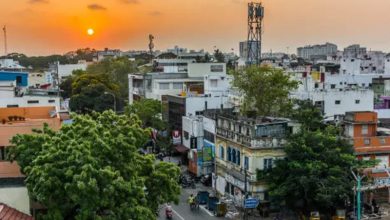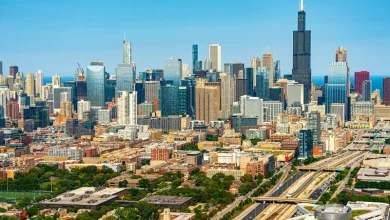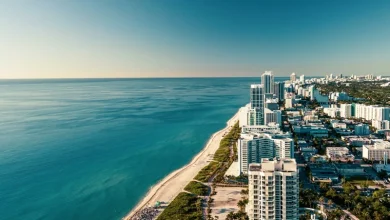
Top 10 Indian cities most at risk from climate change 2025
Climate change in India is intensifying. From Delhi’s scorching summers to Mumbai’s coastal floods, here’s how major cities face growing environmental danger in 2025.

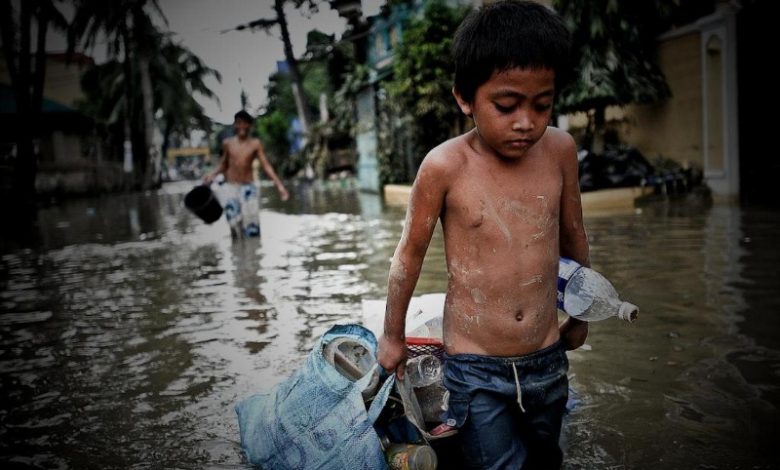
By 7 a.m., the air in Delhi already feels thick. Ceiling fans spin fast but do little. Down south, Chennai watches its reservoirs dry by May. On the coast, Mumbai commuters wade through murky water after a short rain.
The 2025 report on climate change in India ranks these cities among the most at risk. Extreme Heat Waves, flooding, and vanishing water bodies are shaping how urban India now lives and works.
India’s Climate Risk Table (2025 Projection)
| Rank | City | Main Climate Threat | Key Observation (2025) |
| 1 | Delhi | Extreme Heat & Flash Floods | Temperatures over 48°C, erratic rainfall |
| 2 | Mumbai | Coastal Flooding & Sea-Level Rise | Tides inch higher each year |
| 3 | Kolkata | River Flooding & Humidity | Increased saltwater intrusion |
| 4 | Chennai | Water Shortage & Flooding | Longer dry months, heavy bursts of rain |
| 5 | Ahmedabad | Extended Heatwaves | 40°C+ for 80 continuous days |
| 6 | Surat | River & Coastal Floods | Tapi River overflows during monsoon |
| 7 | Lucknow | Rising Heat & Poor Drainage | Reduced green cover, trapped air |
| 8 | Bengaluru | Vanishing Lakes & Warmer Nights | Lakes reclaimed, temperature rising |
| 9 | Hyderabad | Scarce Water & Heat Zones | Groundwater drop, denser construction |
| 10 | Kochi | Coastal Flooding & Salinity | Wetlands shrinking under tidal flow |
Top 10 Indian Cities Most at Risk from Climate Change (2025 Report)
Climate change in India is not an abstract chart, it’s a lived reality. Power cuts stretch longer during heatwaves. Monsoon floods seep into homes faster than the news can cover them. The 2025 climate risk report names ten Indian cities that face growing danger from heat, floods, and sea-level rise.
1. Delhi
Roads shimmer in late May. Storm drains overflow by June. Both extremes, heat and flood, arrive earlier and stay longer.
2. Mumbai
Tides reach farther inland. Sea breeze smells stronger, sharper. Roads near Marine Lines flood within hours of heavy rain.
3. Kolkata
The Hooghly swells each monsoon. Air stays sticky even at night. Suburbs near the river brace for yearly evacuations.
4. Chennai
Empty tanks in summer. Overflowing streets in November. Each season now feels like a test of endurance.
5. Ahmedabad
Evenings no longer cool the city. Paved roads trap the day’s heat, pushing nighttime temperatures higher than before.
6. Surat
Tapi River crosses warning marks each monsoon. Workers build temporary barriers, knowing they’ll need them again next year.
7. Lucknow
Tree-lined streets turn pale with dust. Public parks dry early. Heatwaves now stretch across months once considered mild.
8. Bengaluru
The old city of lakes now counts empty beds and cracked mud. Fans hum through the night as heat lingers longer.
9. Hyderabad
Groundwater wells dig deeper each year. Asphalt and glass hold in the warmth. Relief comes late, if at all.
10. Kochi
Waves lap against doorsteps during high tide. Brackish water creeps into old wells. Locals adapt but worry about the next season.
Why Smaller Cities Could Face Even Greater Risks Ahead?
While metros dominate headlines, smaller cities like Rajkot and Indore are warming faster. Many lack reliable drains or shaded roads. Heat gathers between buildings. Streets flood after a single storm. For residents, adaptation often means personal effort—raising walls, digging pits, finding water wherever possible.
Rapid growth pushes farmland into concrete. Trees fall. Pavements trap warmth. These cities are where the next wave of India’s climate migration could quietly begin.
India’s Adaptation Efforts and Policy Response
Cities are experimenting with solutions. Chennai revives old water channels. Mumbai plants mangroves along its edge. Delhi paints rooftops white to reflect sunlight. Ahmedabad updates its heat action plan every summer.
Still, the progress feels uneven. Smaller cities struggle with funding and planning gaps. Bengaluru and Hyderabad test digital water monitoring, but rural suburbs remain ignored. Real protection comes only when planning turns local, block by block, pond by pond.
Small community groups are stepping in. Volunteers restore lost lakes in Bengaluru. Coastal residents in Kochi replant mangroves to slow erosion. These acts may seem small, but they keep daily life functioning where large plans move slowly.
Looking Beyond 2050: Can India’s Cities Adapt in Time?
By 2050, many Indian cities could see heatwaves that last half the year. Floods may arrive twice each monsoon. Yet scattered progress gives reason to keep building smarter. Rooftop gardens cool small homes. Reused water fills community tanks. Electric buses reduce choking air.
Adaptation isn’t a distant goal anymore, it’s the only practical choice. Cities that act now will cope better, one summer and one storm at a time.
FAQs
1. Which Indian city faces the highest risk in 2025?
Delhi ranks highest for extreme heat and flood exposure.
2. What main factors shaped this ranking?
Temperature rise, rainfall intensity, water stress, and sea-level increase.
3. Are coastal cities more vulnerable?
Yes, but inland cities face equal stress from heat and drought.
4. What adaptation steps are underway?
Rainwater storage, mangrove restoration, and reflective rooftops across major metros.
5. How can smaller cities prepare?
Expanding green zones, fixing drainage, and restoring local water bodies.