
Top Countries Contributing to Ocean Plastic Waste
Find out which countries are the biggest contributors of plastic in the world's oceans. Data, causes and the way that must be changed to stop harming marine ecosystems.

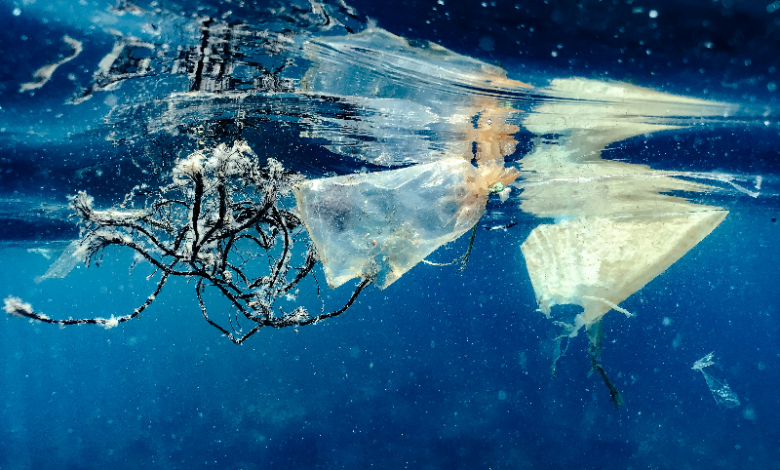
Every year, millions of tons of plastic enter the world’s oceans as waste. Plastic pollution isn’t simply a littering issue but is often a result of poor waste management infrastructure, fast urbanisation and being next to coastlines or large rivers.
Scientists have found that a handful of countries contribute an overwhelming majority of the plastic waste. Understanding who these countries are and what accounts for their contribution is crucial in finding solutions to the problem.
Currently, many of the major contributors of ocean plastic waste are developing countries in Asia. The top contributors, as of now, are:
Philippines
The largest contributor, accounting for roughly 36% of annual plastic inputs into the ocean. The Philippines contributes around 356,371 metric tons per year.
China
One of the largest contributors of ocean plastic waste, contributing an estimated 2.4 million tons per year to the ocean – about a quarter of the global annual total.
India
Approximately 126,513 metric tons conscientious, ranking with the highest countries contributing to ocean plastic pollution.
Indonesia
about 56,333 metric tons each year, notable contributor.
Malaysia, Vietnam, Myanmar, Bangladesh, Thailand, and Brazil all follow suit in the top contributors.
Most of these countries have relatively small land areas with relatively longer coastlines, higher averages of rain, and little to no waste management, improving the chances of leaking into the ocean. Asia, as a continent, is approximately 81% of all ocean plastic.
Challenges & What Needs to Change
- Knowing the main contributors is only half the story; the other half is actually stopping more plastic from entering the ocean. Some possible changes would include:
- Modernising waste collection and recycling infrastructure, particularly in coastal and riverside areas.
- Enacting policies and incentives to reduce usage of single-use plastics.
- Increasing public awareness and changing behaviour about plastic disposal.
- Co-operation globally including funding and technology transfer to assist less developed countries in managing plastic waste.
Conclusion: Shared Responsibility, Urgency
The ocean plastic pollution situation isn’t confined to a specific country – it is global. However, since only a few countries account for much of the leakage to the ocean, seeking improvements in those should lead to a significant reduction in ocean plastic waste. With smart policies, investment and collective effort, plastic waste in the ocean can be reduced significantly so marine ecosystems can thrive into the future for the benefit of all.