

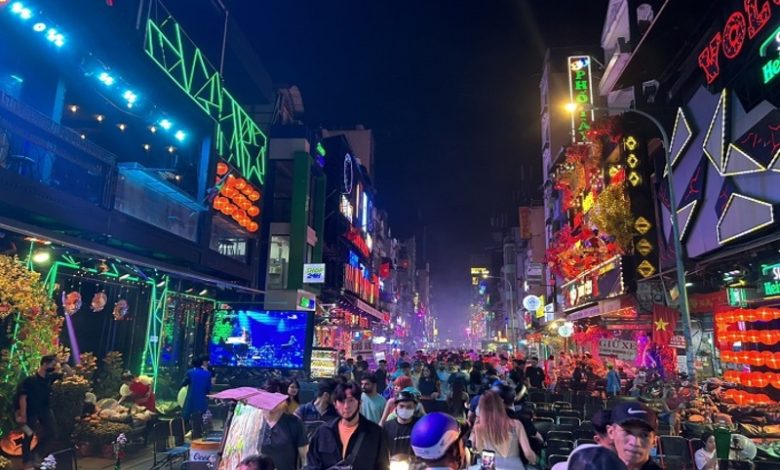
The lively food culture of Taiwan is most enjoyable in the bustling Taipei night markets, where one can take in the aroma of sizzling street food. These markets are not just a food booth but cultural hubs, even with local snacks, traditional food, souvenirs, and entertainment. The charm of each market is a matter of taste, be it Michelin-rated street food, an old world, or a special shopping experience. Exploring these Taipei night markets in 2025 will provide visitors to Taiwan with a memorable introduction to local customs and flavours.
Night Markets in Taipei You Shouldn’t Miss
| Night Market | Location | Opening Hours |
| Shilin Night Market | Shilin District | 4 PM – 12 AM |
| Raohe Night Market | Songshan District | 5 PM – 11 PM |
| Ningxia Night Market | Datong District | 5 PM – 1 AM |
| Jiufen Old Street | Ruifang District, New Taipei | 10 AM – 8 PM |
| Huaxi Night Market | Wanhua District | 4 PM – 12 AM |
| Linjiang (Tonghua) Market | Da’an District | 6 PM – 12 AM |
| Nanjichang Night Market | Zhongzheng District | 5 PM – 12 AM |
Market Descriptions
- Raohe Night Market – Compact yet packed with 400 stalls, this market is renowned for Black Pepper Pork Buns baked in traditional ovens. The adjacent Songshan Ciyou Temple further gives it a cultural touch.
- Shilin Night Market – Taipei’s most iconic market with hundreds of stalls selling Taiwanese sausages, fried chicken, and souvenirs. This one should be anticipated to get large crowds, particularly after 6 PM.
- Ningxia Night Market – It is a smaller and more Michelin star-saturated market with braised meats, Lou Rou Fan (pork rice), and fried stinky tofu on top. Best when it comes to food lovers who seek authentic taste.
- Huaxi Night Market – It is traditionally called Snake Alley, where it displays some of the weirdest delicacies and, as well, represents an insight into the old Taipei culinary practices. Longshan Temple is located close to another sightseeing attraction.
- Jiufen Old Street – Perched in the mountains, this fairytale-like old town feels like stepping into Spirited Away. Known as tea houses and handcrafted narrow streets.
- Linjiang Night Market – This market is situated close to Taipei 101, and it has Michelin Bib Gourmand food stalls that deal with braised duck wings, stir-fries, and stinky tofu, besides traditional desserts.
- Nanjichang Night Market – It is a local-favorite night market where there are affordable and hearty meals. Famous for sesame oil chicken soup and vegetarian dishes. This is cheaper than tourist-heavy locations.
Why Night Markets in Taipei Are Unmissable
The origins of night markets in Taiwan are extremely historical, as they started as small assemblies of vendors and have grown into giant cultural locations. Night markets in Taipei are the most renowned throughout the world today due to the numerous types of food, cheap shopping, and vibrant nature. Starting with Michelin-rated delicacies to long-standing, generation-old snacks, each street is an adventure. These markets are also strangely meeting points for locals and tourists, and they produce a celebratory atmosphere that best reflects the spirit of Taipei.
FAQs
Q1: What are the timings of the Taipei night markets when they open?
Most of them open at an average of 4-6 PM and are open till midnight or later.
Q2: Which is the biggest Taipei night market?
The biggest and most well known is Shilin Night Market and has more than 500 stalls.
Q3: Are night market in Taipei vegetarian friendly?
Well, such markets like Nanjichang have vegetarian cuisines and they are run using street foods.
Q4: What is the most popular food in Taiwan night markets?
Stinky tofu, Black Pepper Pork Buns and braised pork rice are some of the most iconic.
Q5: Which are the ways through which these night markets can be approached by tourists?
Most of the markets in Taipei City are well accessible through MRT, taxis or buses.
Disclaimer : Stay updated with the latest on Top 10 Night Markets in Taipei to Visit in 2025, from street food stalls to souvenir shopping, while also catching up on the latest vibes covering bustling crowds, unique vendors, and seasonal events. Explore the latest tips in navigation with maps, best times, and must-tries, and don’t miss the latest in cultural highlights, featuring local traditions and hidden gems.