This Year’s Thames Water Pollution Shift: CSO Spills And River Health
With Thames Water Pollution: CSO Spills, River Health, and What’s Changing This Year, regulators push tougher rules, real-time spill alerts, and clearer reporting for 2026.

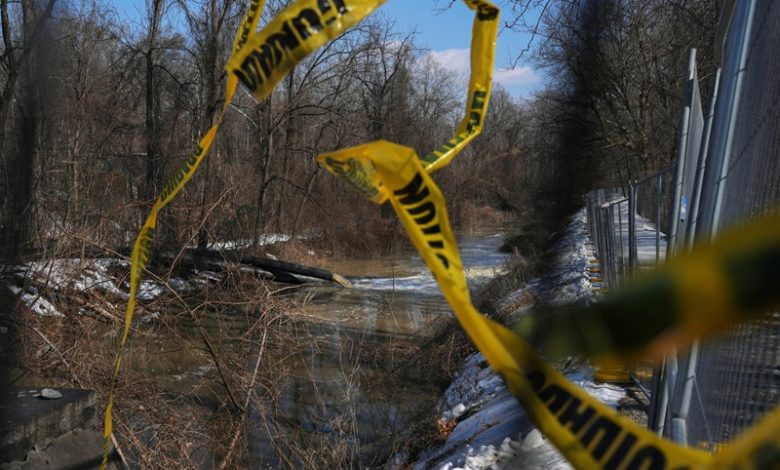
People in London are not just asking whether spills happened. They are asking what is different now. Public expectations are now tied to visible, month-by-month evidence. The Environment Agency says 2024 was the worst overall year since this scoring era began, and Thames Water was the only company rated one star (poor performing). Thames-specific data also shows 470 sewerage pollution incidents in 2024, keeping pressure high on river health and public trust.
CSO Spills, River Health, and the 2026 Pressure Point
CSO spills still occur when intense rain overloads combined sewers. Thames Water’s live map can show an overflow indicator, but the company says EDM signals are indicators, not proof of sewage concentration at one bathing point.
Regulators have moved harder too: Ofwat’s wastewater case found major compliance failures, imposed a £104.5 million penalty, and required corrective action through an enforcement order. The wider penalty package announced in 2025 totalled £122.7 million. The issue was pushed wider by this official BBC News post on X.
What Is Changing This Year
The biggest legal shift is now active. Government guidance says every water company must publish a Pollution Incident Reduction Plan before 1 April 2026 and annually after that. Failure to publish a compliant plan can trigger criminal consequences for both the company and its chief executive.
Mandatory implementation reports then begin in 2027. Thames also says annual overflow returns are updated by mid-March.
Why the Story Is Still Moving
Infrastructure is improving. The Tideway Tunnel is fully connected and designed to prevent around 95% of historic CSO discharges in a typical year. But pressure remains financial and political, with Thames seeking additional funding while river users push for stronger bathing-water protections. In February 2026, a Thames stretch at Ham was shortlisted for bathing-water status, raising monitoring expectations.
FAQs
1. What is a CSO spill?
A CSO spill releases diluted sewage during heavy rain when sewers exceed treatment capacity temporarily.
2. Is Thames Water currently rated poor?
Yes, Environment Agency’s 2024 assessment rated Thames Water one star, the lowest company ranking available.
3. What starts changing from April 2026?
From April 2026, annual pollution plans become mandatory, with criminal consequences for non-compliant executives legally.
4. Does Tideway completely solve Thames pollution?
No, it cuts major CSO discharges sharply, but river quality also depends on wider networks.
5. Can people track recent spill indicators online?
Yes, Thames Water publishes near real-time storm discharge indicators through its online monitoring map tool.