
Thailand’s Shores See Unusual Dugong Wave, Triggering Ecological Concern
A spike in dugongs turning up on Thailand’s coastline has sparked concern, hinting at hidden marine disruption tied to human pressure, water quality shifts, and food scarcity.

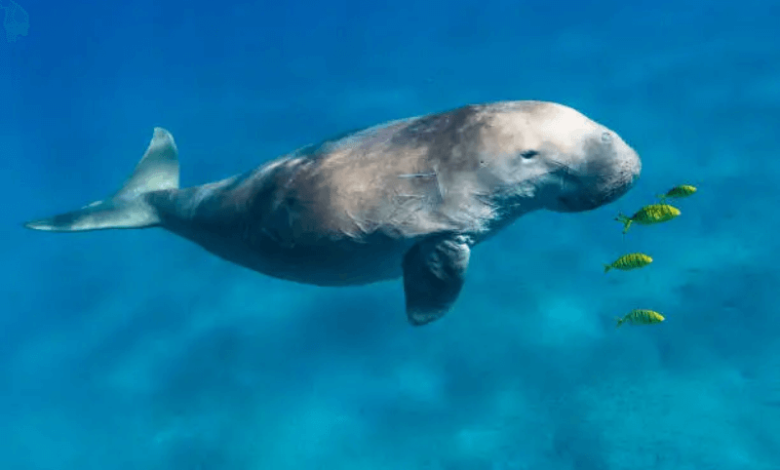
Dugongs, the gentle “sea cows” of the Andaman Sea, are turning up on Thailand’s beaches with worrying frequency. Each stranding is more than a sad wildlife moment: it signals a food-chain failure happening underwater. Along coastlines near Trang, Krabi, Phang Nga and Phuket, teams are finding more dead or weakened dugongs as feeding grounds destabilise.
What’s Driving The Die-Off Right Now
The trigger is simple: dugongs eat seagrass, and seagrass is disappearing. When meadows thin out, dugongs travel farther to feed, burn energy, and drift into busier waters where they face boat strikes, fishing gear, and exhaustion. Scientists investigating the crisis point to a mix behind the seagrass decline: sediment that blocks sunlight, pollution and nutrient runoff that fuels algae, dredging and coastal construction, and temperature or tidal changes that stress plants.
Thailand’s Andaman dugong population was estimated at 273 in 2022, but advisers now warn the coast may have lost roughly half. Reported strandings also jumped in 2023–2024 compared with the 2019–2022 average, tracking the seagrass crash and pushing dugongs into new hotspots around Phuket.
What Happens When Seagrass Vanishes
Dugongs don’t “switch diets.” Malnutrition hits fast, calves struggle, and weakened animals can wash ashore after long, hungry searches. Locals monitoring a lone dugong nicknamed “Miracle” have used community alerts to warn off risky boat traffic when it surfaces near shore.
What Thailand Is Trying Next
Restoration planting and tighter protection around feeding zones are growing, but researchers say the real fix is water quality: less sediment, less runoff, and stricter controls on coastal works.