How Glacier Retreat Is Affecting Mountain Ecosystems in Switzerland
Swiss glacier retreat is transforming alpine ecosystems, affecting biodiversity, water resources, and mountain habitats.

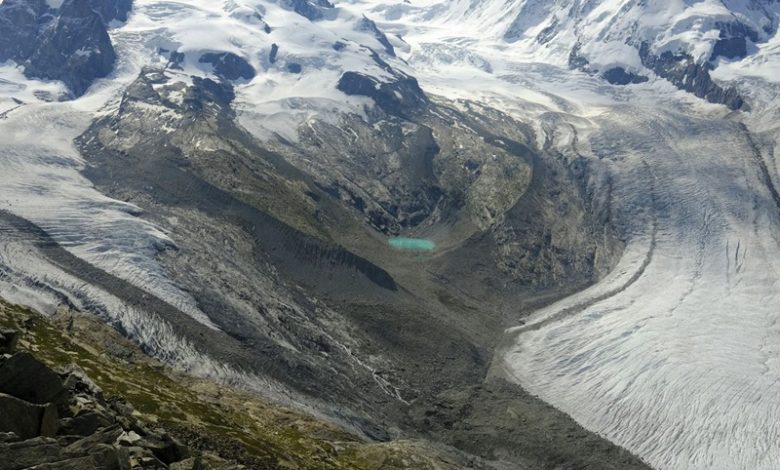
The shrinking of glaciers in Switzerland is a result of the increase in global temperatures and climate change. The Swiss glacier retreat impact is transforming alpine landscapes, water resources, plants, and wildlife. Due to the melting of ice, new lands and lakes emerge, yet delicate ecosystems that may have been surviving in cold environments are extinct. These changes are being keenly examined by scientists so as to determine the impact of Alpine ecosystem changes on future biodiversity and water availability. Observing glacier melting is significant to conservation planning and climate adaptation in the mountain areas in Switzerland.
Swiss Glacier Retreat Impact on Alpine Habitats
The effect of glacier retreat that is occurring in Switzerland is affecting alpine habitats. As the glaciers melt, new land is revealed, and the new land has plants growing and ecosystems emerge. This however, also interferes with species that require cold conditions.
Plants, insects and animals that are adapted to cold are losing their habitats due to the increase in temperature. Concurrently, the species of low altitude are migrating upwards, altering the distributions of biodiversity. These transformations are still under scrutiny by scientists in order to safeguard delicate alpine environments.
Alpine Ecosystem Changes and Water Systems
Water systems are also influenced by the Alpine ecosystem modifications that take place due to the glacier melting. During warmer months, glaciers release water that is stored there.
Shrinking glaciers may cause rivers to have an increased amount of meltwater at first, although in the long term, the amount of water supplied can be reduced. This affects the wildlife, agriculture, and hydropower production in Switzerland and other areas around.
Official Social Media Reference
FAQs
1. Why are Swiss glaciers retreating?
Rising temperatures and climate change are causing glaciers to melt faster than they can regenerate.
2. How does glacier retreat affect wildlife?
Species that depend on cold habitats may lose their environment and struggle to survive.
3. Does glacier melt affect water supply?
Yes, glaciers regulate river flow and their loss may reduce water availability over time.
4. Are new ecosystems forming after glacier retreat?
Yes, plants and microorganisms slowly grow on newly exposed land.
5. Can glacier retreat be slowed?
Reducing greenhouse gas emissions can help slow global warming and glacier melting.