
How Sweden Is Moving Toward Carbon Neutrality by 2030
Discover how Sweden is moving toward carbon neutrality by 2030 through renewable energy, green innovation, and strong climate policies.

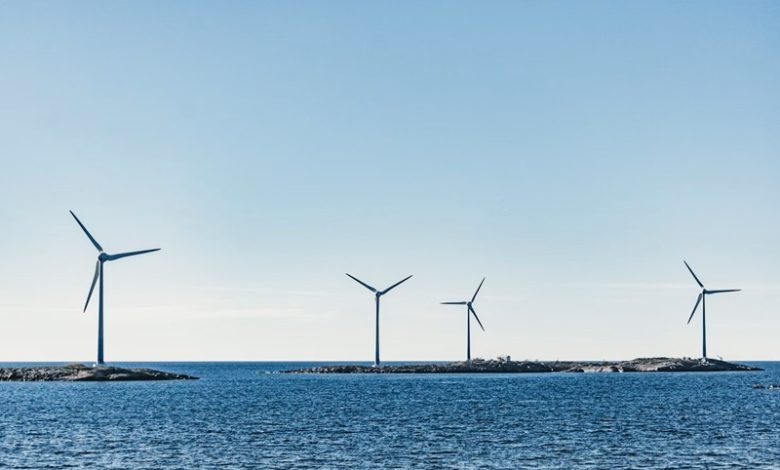
Sweden is widely recognized as a global leader in sustainability, and its goal of achieving carbon neutrality by 2030 reflects its strong commitment to climate action. As the world thinks more about climate change, Sweden has been making proactive decisions and spending massively in clean energy solutions. The country is leading by example because of reduced reliance on fossil fuels and promotion of renewable energy. The journey toward Sweden carbon neutrality 2030 involves transforming energy systems, transportation, and industrial processes to create a low-emission future.
Sweden’s Climate Strategy
Sweden’s path to carbon neutrality is guided by clear policies and long-term planning.
- Climate regulations and targets: Sweden has the legally binding targets of cutting down greenhouse gas emissions and reaching the net-zero point.
- Reduction of fossil fuels: The nation is in the process of eliminating fossil fuels in major areas.
- Government policies: The government can promote sustainable practices by providing businesses and individuals with financial aid and subsidies.
These measures ensure steady progress toward a cleaner and greener economy.
Expansion of Renewable Energy
Renewable energy is at the core of Sweden’s climate strategy.
- Hydropower dominance: A major portion of Sweden’s electricity comes from hydropower.
- Wind energy growth: Wind farms are expanding rapidly, contributing to clean electricity generation.
- Solar energy adoption: Solar installations are increasing, especially in urban areas.
Together, these sources reduce carbon emissions and strengthen energy security.
Sustainable Transport Solutions
Transport is a major focus in Sweden’s carbon neutrality efforts.
- Electric vehicles (EVs): Sweden promotes EV adoption through incentives and infrastructure development.
- Public transportation: Efficient and eco-friendly public transport systems reduce reliance on private vehicles.
- Biofuels: Renewable fuels are used in vehicles to lower emissions.
These initiatives help reduce pollution and support sustainable mobility.
Green Innovation and Technology
Sweden is investing in innovative technologies to accelerate its transition.
- Green hydrogen: Used as a clean energy source for industries.
- Carbon capture and storage (CCS): Helps reduce industrial emissions.
- Sustainable manufacturing: Industries are adopting eco-friendly production methods.
Innovation plays a crucial role in achieving long-term environmental goals.
Challenges in Achieving Carbon Neutrality
Despite its progress, Sweden faces several challenges.
- High transition costs: Green technologies can be expensive to implement.
- Industrial emissions: Heavy industries are harder to decarbonize.
- Energy demand: Balancing growing energy needs with sustainability goals is complex.
Addressing these challenges is key to meeting the 2030 target.
How Sweden Is Setting an Example Globally
Sweden’s leadership in climate action influences other countries.
- Strong environmental policies and regulations
- Investment in renewable energy and innovation
- Collaboration with international climate initiatives
Its model demonstrates how nations can balance economic growth with sustainability.
https://www.instagram.com/popular/sweden’s-carbon-neutral-goal-by-2045
FAQs
Why is Sweden aiming for carbon neutrality by 2030?
Sweden aims to reduce climate change impact and lead global sustainability efforts through clean energy and low emissions.
What are Sweden’s main renewable energy sources?
Hydropower and wind energy are the primary sources, with solar energy growing steadily.
Is Sweden close to achieving carbon neutrality?
Sweden has made significant progress, but continued innovation and policy support are needed to reach its 2030 goal.