Wildlife on the Brink: New Assessment Lists Species Near Extreme Risk
Wildlife on the Brink: New Report Lists Species at Extreme Risk as experts track severe drops in mammals, birds, reptiles, marine life, and threatened plant groups.

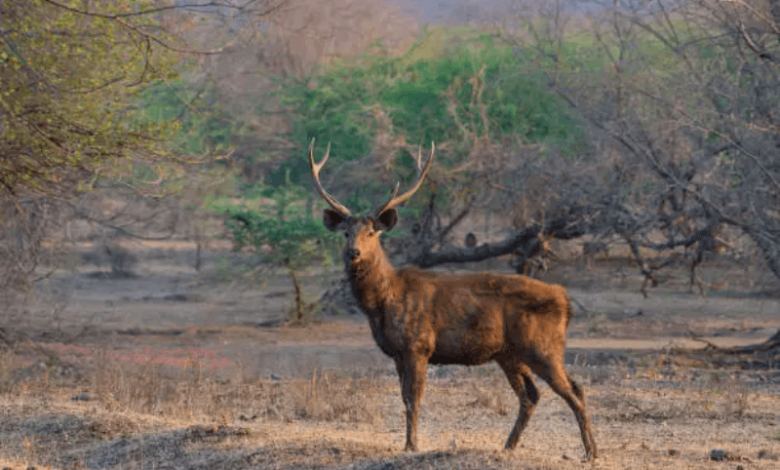
Morning field teams described a forest going quieter, fewer calls at dawn, thinner tracks in damp soil. Wildlife on the Brink sits exactly there, a new report that lists species at extreme risk and counts losses that feel personal. The title is harsh. Accurate too, sadly.
Key Highlights From the Latest Endangered Species Assessment
The assessment tracks declines across multiple groups, notes sharp drops in small, isolated populations, and flags species slipping out of survey range for entire seasons. Several freshwater turtles, ground-nesting birds, reef fish, high-altitude plants, each category shows erosion. Numbers shift by region, but the pattern stays. That’s how we see it anyway. Surveyors also recorded heat stress events after early summer spikes, and unusual mortality during brief but intense downpours. Short surges, fast damage, then silence.
Species at Extreme Risk: Breakdown by Category (Mammals, Birds, Reptiles, Marine Life, Plants)
A quick view helps readers map the landscape. Not perfect, still useful for newsroom desks and classrooms.
| Category | Signal in the report | Quick example |
| Mammals | Fragmented ranges, conflict hotspots, low breeding success | Small antelope near farm edges |
| Birds | Ground nests raided, coastal roosts swamped by high tides | Waders on shrinking mudflats |
| Reptiles | Long-lived, slow to mature, poaching pressure | River turtles at sand mines |
| Marine life | Bleaching pulses, trawl bycatch, noise | Reef fish after heat spikes |
| Plants | Pollinator loss, invasive creepers, fire cycle shifts | Alpine herbs below retreating snowlines |
Feels strange sometimes, to fit lives into rows. But this table gets teams on the same page faster.
Critically Endangered Species Spotlight: The Most Vulnerable on the Planet
Names change by country, the story repeats. A tortoise line holds at a single valley, a river dolphin traces a shorter arc each year, a grassland cat crosses a highway at midnight and does not make it back. Rangers speak softly about last pairs, because saying the number out loud hurts.
One reef site recorded coral cover like a patchy quilt, warm to the touch during noon tides. Even the smell changed, a sour note on certain days. Small clues, yet they add up. Sometimes it’s the small habits that matter.
Major Drivers Behind the Accelerating Extinction Risk
Drivers stack. Land conversion pushes herds into narrow corridors. Heat spikes lift disease loads in bats and birds. Sand extraction scrapes turtle nesting bars. Coastal light glare disorients hatchlings. Illegal trade finds new routes, often quick, often digital.
Storm bursts muddy spawning grounds hours before eggs are set. Invasive plants choke wetlands after road expansion alters drainage. One action, ten ripples. Field officers keep diaries for this reason, to catch linkages early, save time later.
Regions Facing the Highest Biodiversity Loss
Tension points show up where human density meets sensitive edges. Delta villages with eroding banks. Semi-arid scrub that slides into thorny wasteland after two failed monsoons. Hill roads cut into slopes that were stable for decades, now crumbly after short cloudbursts. Offshore platforms near reef shelves that already sit near tolerance limits. And in city fringes, the last seasonal ponds, filled early for quick real estate. Feels avoidable, a lot of it.
Why the Decline of These Species Matters for Ecosystems and Humans
Ecosystems are habit, routine, timing. Pollinators arrive on a morning window, not a calendar. Seed dispersers follow fruit scent through warm air. Remove a bat roost, the night insects rise, farmers spot leaf damage a week later. Lose a reed bed, village wells taste brackish by winter. People often sense the change first through smell, then bills. This link is not a theory. It lives in markets, kitchens, and clinics.
Conservation Efforts That Are Making an Impact
Some efforts bite. Community patrolling along floodplains that sets a simple rotation, tea at 4 am, one torch per bend. Seasonal fishing pauses that match spawning weeks, not paperwork. Turtle hatcheries run by local women’s groups, neat logbooks, careful shadows on moonlit sand.
Corridor fencing that guides animals to underpasses, painted by school kids so drivers slow, just a bit. Seed banks near forest beats, small nurseries that push hardy saplings after fires. Not shiny, but solid. That’s how recovery usually starts.
What Experts Recommend: Strategies Needed to Prevent Mass Extinction
- Protect strongholds first, keep core habitats large, connected, and patrolled.
- Lock in seasonal no-take windows on rivers and coasts, align with fish breeding peaks.
- Track temperature spikes at micro sites, send alerts to wetland managers the same day.
- Tighten online trade monitoring for high-value species, fast takedowns, less drama.
- Fund local labs for quick disease screens, because waiting weeks costs breeding rounds.
Plain tasks, measurable results. Feels like real work sometimes.
How Individuals, Communities, and Nations Can Help Protect At-Risk Species
Households can cut night glare near wetlands, shielded lights change hatchling outcomes. Small farms can leave hedgerows, one strip of wild grass holds more pollinators than posters. Schools can adopt a pond, count birds monthly, and publish simple sheets. City councils can time desilting outside fish spawning windows. National budgets can prioritise core landscapes, not scattered tokens. And media desks can run seasonal explainer boxes, the kind people clip and keep. Not glamorous, effective though.
FAQs
Q1. What does the phrase “species at extreme risk” mean in practical field terms today?
Teams use it for taxa with tiny ranges, low breeding success, and clear threats like heat spikes, poaching, or habitat cuts that can wipe a season in days.
Q2. How can a city far from forests affect wildlife on the brink in coastal belts?
Urban heat, demand for sand and seafood, light glare, and waste streams travel fast, and coastal nurseries absorb the shock sooner than people expect.
Q3. Which actions show quick gains for critically affected river species right now?
Seasonal fishing pauses, sand-bar protection, silt traps upstream, and dawn patrols during spawning weeks, these steps lift survival within one cycle.
Q4. Why does the report push local monitoring instead of only national dashboards?
Local logs catch timing, smells, water colour, insect swarms, tiny cues that never reach dashboards, and these cues guide real fixes.
Q5. Can small farms contribute to recovery without high costs this year itself?
Yes, hedgerows, shallow ponds, reduced night lights, and mixed flowering strips pull pollinators back and cut pest spikes, low cost, fast results.