South Asia’s Winter Smog Trap: The Real Reason Air Turns Hazardous
Why does South Asia suffer the planet’s worst winter pollution? Understand the mix of weather patterns, fires, and emissions creating chronic toxic air.

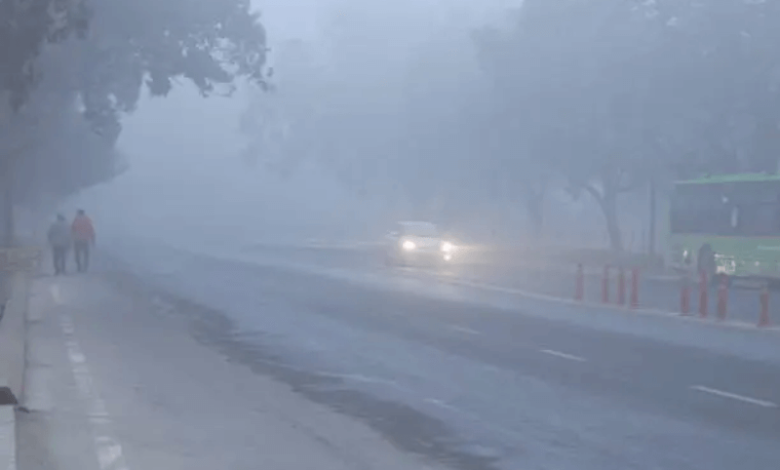
Every winter, South Asia’s air turns deadly for one core reason: too many emissions get trapped at exactly the wrong time. From late October to January, colder air, calmer winds, and lower mixing heights stop pollutants from rising. NASA’s Indo-Gangetic analysis explains how temperature inversions act like a lid.
Then traffic exhaust, coal use, brick kilns, construction dust, garbage burning, and crop-residue smoke pile up together. This is not one-city smog. It is a regional airshed crisis stretching across northern India, Pakistan, Nepal, and Bangladesh.
Why Winter Turns Emissions Into A Regional Smog Trap
Data explains the scale. Reuters, citing IQAir data, reported Bangladesh, Pakistan, and India among the worst global PM2.5 performers, with concentrations many times above the WHO benchmark of 5 µg/m³. The World Bank’s latest Indo-Gangetic brief says PM2.5 levels in parts of this belt are more than twenty times what WHO considers safe.
That gap between real exposure and health-safe levels is why winter spikes trigger school closures, emergency advisories, and respiratory surges. Monitoring remains uneven across cities, so many people breathe dangerous air without reliable neighborhood alerts.
Trend Story: Delhi And Lahore’s Emergency Winter Response
Recent winter headlines show the pattern repeating. Delhi tightened Stage-III GRAP controls in November 2025 after air quality dropped to “severe.” Pakistan’s Punjab declared a health emergency in November 2024, closed schools, and restricted construction during toxic smog. One official social post that captured this urgency came from AP on X, documenting post-Diwali haze in Delhi.
Why This Keeps Returning Every Year
Another reason this crisis looks worse than elsewhere is exposure density. Millions live, work, commute, and study within polluted corridors every day, so the health burden scales fast. Low-income families face the highest risk but have the least protection.
Until countries coordinate fuel standards, industrial enforcement, farm-fire alternatives, and clean transport together, winter will keep amplifying the same emergency.
FAQs
Why is winter pollution worse than summer in South Asia?
Cold inversions trap emissions near ground, while weak winds and fog prevent pollutants dispersing quickly.
Why is PM2.5 considered especially dangerous for health?
PM2.5 particles are tiny, enter the bloodstream, trigger asthma, strokes, heart disease, and premature deaths widely.
Which cities showed severe winter action recently?
Delhi and Lahore repeatedly imposed school restrictions, construction curbs, and emergency advisories during peak smog.
Can one city fix this problem alone?
Because pollution travels across borders, single-city action fails without joint regional fuel and farming reforms.
What can people do during severe smog days?
Use fitted masks outdoors, avoid peak hours, monitor AQI apps, and ventilate homes carefully indoors.