
Across Many Countries, Why Solar Power Is Now Cheaper Than Fossils
A clear look at Why Solar Power Is Now Cheaper Than Fossil Fuels in Many Countries, driven by rapid price drops, tech gains and changing global energy priorities.

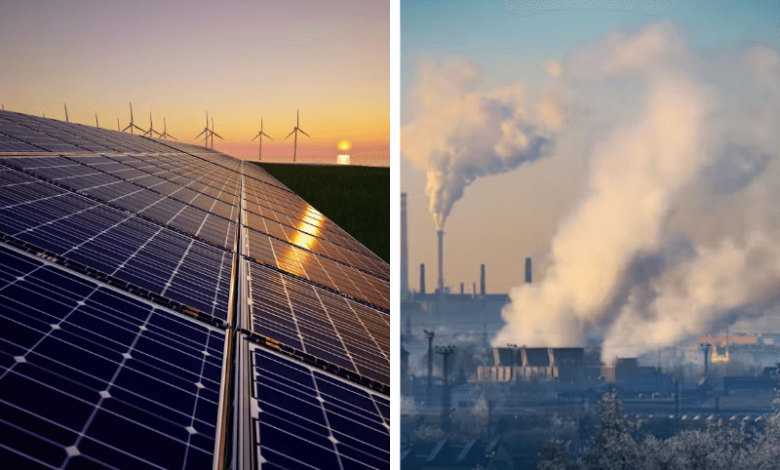
Solar power prices have slid hard in the last decade, and the solar vs fossil fuels cost debate looks different now. Many markets report the cost of solar energy under new coal or gas builds, so why solar power is cheaper than fossil fuels is no longer a theory. It shows up in bids, bills, and utility plans. That’s the plain picture.
The Global Decline in Solar Power Costs
Module prices dropped as factories scaled up and buyers pushed margins down. Developers also learnt to build faster, cutting interest costs that quietly eat budgets. Large projects now reuse the same designs again and again, so teams stop reinventing basics. Land, labour, and steel still move around, but solar projects finish quicker than most thermal builds. This part gets skipped often.
How Technological Advancements Lower Solar Prices
Panel efficiency improved, so each square metre delivers more units. Tracking systems follow the sun with better controls, and installers waste less material on site. Inverters last longer and fail less, which reduces surprises after commissioning. Even software matters, because losses get spotted early. It feels boring, but boring saves money.
- Higher efficiency means fewer panels per megawatt.
- Better monitoring cuts downtime and catches faults early.
- Standard designs reduce engineering hours.
Zero Fuel Cost: Solar’s Biggest Economic Advantage
A solar plant does not buy coal, gas, or oil daily. Once built, the fuel line stays near zero, and that steadies tariffs. Cleaning, security, and grid fees remain, yet those are predictable. Predictable costs keep lenders calm, and calmer lenders price loans lower. Sometimes that is the whole story.
Why Fossil Fuel Prices Remain Unpredictable and Expensive
Coal and gas prices move with shipping, geopolitics, currency swings, and seasonal demand. A plant that looks cheap on paper can turn costly when fuel spikes. Utilities also carry costs for emissions controls, water use, spare parts, and shutdown risk. Carbon rules add another question mark. The uncertainty burns pockets.
Government Policies That Make Solar Even Cheaper
Policy support is not only subsidies. Many governments run auctions, set timelines, and speed up land and grid approvals. Some offer tax credits, others offer low-cost loans, and many reduce duties on key parts. Clear grid-connection rules reduce delays, and delays are expensive. Longer contracts also lower financing costs because revenue looks steadier. And when rules stay stable for years, bidders quote tighter prices. It is admin work, not magic.
Utility-Scale Solar vs Fossil Fuels: A Cost Comparison
Public tenders show solar winning on price in many places, especially where sunlight is strong and land is available. Fossil plants still win in grids needing firm power all day, yet the gap is narrowing as storage costs fall. The table lists common cost drivers, not a fixed law. That’s how it looks on the ground.
| Cost driver | Utility-scale solar | Coal or gas power |
| Fuel expense | Near zero after build | Continuous, market-linked |
| O&M cost | Low to moderate | Moderate to high |
| Build time | Shorter timelines | Often longer timelines |
| Price volatility | Low | High |
| Emissions cost risk | Low | Rising in many markets |
The Hidden Environmental and Health Costs of Fossil Fuels
Air pollution raises healthcare costs and reduces work days near power clusters. Water stress, ash handling, and land remediation add public costs that do not always appear on invoices. Protests and litigation can delay projects, pushing borrowing costs up. People living near stacks know it well. It is tiring to fix damage later.
Countries Leading the Shift to Cheaper Solar Power
Several regions now treat solar as the default choice for new capacity.
- India: large auctions and tough developer competition.
- Gulf markets: high irradiation and long procurement contracts.
- Australia: strong rooftop uptake plus big utility builds.
- United States: tax incentives plus corporate purchase demand.
- China: manufacturing scale and rapid deployment experience.
Each country has hurdles, still the direction is similar. That’s the reality.
What Falling Solar Costs Mean for the Future of Energy
Energy planners are leaning toward portfolios, not single sources. Solar plus storage is getting attention for evening peaks, while grids invest in transmission and better forecasting. Fossil plants may run fewer hours and focus on backup roles, which changes their economics. Utilities also start valuing flexibility, not only cheapest units, and that shifts contracts. The next fight sits around reliability rules and grid upgrades. Feels strange sometimes, but that is where it stands.
FAQs
1) Is solar always cheaper than coal or gas everywhere?
Solar often wins on new build cost, yet some grids still pay less for fuel plants.
2) What keeps pushing the cost of solar energy down?
Better efficiency, mass production, faster builds, and cheaper finance, the simple list, really.
3) Why does fossil fuel price volatility hit electricity bills?
Fuel spikes pass into tariffs and contracts, so bills jump, and budgets get shaken.
4) Do incentives decide the solar vs fossil fuels cost result?
Incentives help, but auctions, permits, and grid access rules can matter even more.
5) Can solar replace fossil fuels without storage or grid upgrades?
Daytime demand fits solar well, yet evenings need storage, flexible demand, or stronger transmission.