Why Saving Nature Is Getting More Expensive While Risks Keep Escalating
Why Saving Nature Is Getting More Expensive as protection, restoration, and monitoring demand higher funding. A detailed look at what fuels today’s rising conservation costs.

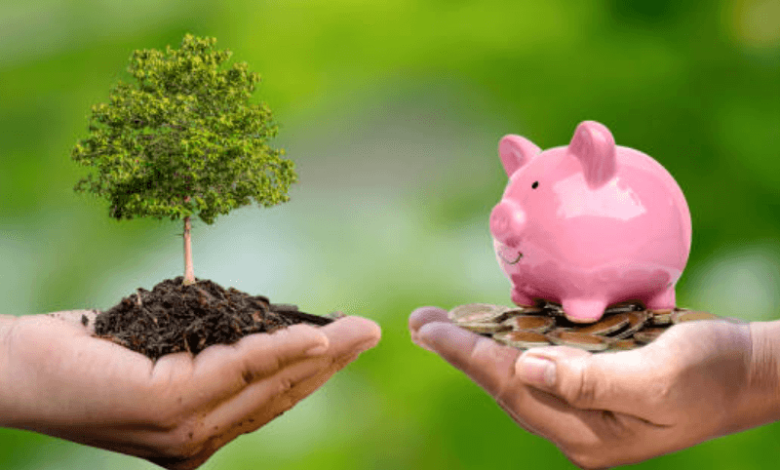
Saving nature is getting costly, and the numbers on project budgets keep creeping up. The rising cost of conservation now shows up in land deals, staff bills, security, science work, and long-term upkeep. The cost of protecting nature also rises because climate stress keeps hitting the same places again and again.
And the biodiversity funding gap still sits there, unsolved. Environmental restoration costs now look less like a one-time repair job and more like a recurring expense. That’s the uncomfortable bit.
The Rising Price of Protecting Earth’s Natural Systems
Conservation used to mean fencing an area, putting up signboards, and keeping extraction out. Now it often means active protection every day, with trained staff, monitoring tools, legal work, and local partnerships. It sounds basic, yet it adds up fast. That’s how it goes.
Costs rise because threats rise. Illegal logging shifts routes. Wildlife trafficking adapts. Fires, floods, and heatwaves push park teams into emergency mode. A protected landscape needs constant attention, not an occasional visit. Some managers admit they spend more time on crisis response than on routine care. It’s tiring work, plain and simple.
How Biodiversity Loss Is Driving Up Conservation Costs
As species decline, protection becomes more targeted and more expensive. Safeguarding one bird, one frog, one coral patch can need special habitat work, breeding support, patrols, and disease checks. Each layer costs money. And it still may not be enough, sometimes.
A shrinking ecosystem also loses its natural “buffer”. Forest edges dry faster. Wetlands store less water. Reefs break easier. So conservation teams end up paying for fixes that nature once handled quietly on its own. That fact annoys many field workers, and they are not wrong.
Why Global Climate Targets Require Larger Budgets
Climate goals push governments and institutions to spend more on nature-based actions. Targets on forest cover, carbon storage, and coastal safety keep expanding. That expansion increases demand for land, expertise, and project finance. It has become a bidding contest in many regions. Not everyone likes that, but it is happening.
A big chunk of funding now goes into measurement and proof. Projects need baseline data, audits, reporting, and verification. These steps can be necessary, yet they carry a price tag. Some conservation leaders say paperwork costs feel close to field costs. That’s a strange balance.
Competing Land Uses Make Conservation More Expensive
Land that looks “unused” rarely stays cheap. Agriculture spreads. Roads arrive. Warehouses and housing follow. And conservation groups then negotiate with higher land values and stronger local business pressure. That pushes the cost of protecting nature upward.
Common cost drivers in land competition:
- Purchase or lease costs rising year after year
- Compensation packages for access restrictions
- Legal disputes around boundaries and usage rights
- Community livelihood support tied to protection rules
Many projects also need agreements that protect people’s income options. That part matters. It also needs steady funding, not one-off grants.
Restoration Projects Are Becoming More Complex and Costly
Restoration has moved beyond planting trees and leaving. Teams now deal with soil health, water flow, seed diversity, grazing pressure, and invasive species. A restored site needs maintenance for years. That is the real bill.
And climate makes restoration unpredictable. A site may get replanted, then a drought wipes it out. A wetland may get refilled, then a storm dumps silt and blocks channels. So project plans add contingencies, extra cycles, extra staff time. That’s the grind.
Economic Growth Increases the Monetary Value of Nature
As economies grow, nature sits on more valuable ground. Coastal stretches become tourism assets. Forested hills become premium views. Riverbanks become development zones. That raises the price of conservation, because landholders and local authorities see higher returns elsewhere. It is a simple market reality.
Also, public expectations rise. People demand cleaner air, safer water, and greener cities. That raises political pressure to protect natural systems, which is good. Yet it also raises the “standard” projects must meet.
Real-World Examples Showing Surging Conservation Expenses
Across regions, the same pattern repeats. Protecting a mangrove belt now includes patrols, erosion control, and fish nursery safeguards. Protecting a grassland now includes fire management and seasonal grazing plans. Protecting an urban lake now includes waste control and water quality testing. It feels endless sometimes.
A quick view of cost pressure points:
| Area of work | What pushes costs up | What teams pay for |
| Protected forests | patrol needs, fires, illegal extraction | staffing, equipment, emergency response |
| Wetlands and rivers | pollution, silt, water diversion | testing, cleanup, flow restoration |
| Coastal ecosystems | storms, sea rise, construction pressure | barriers, monitoring, relocation planning |
| Wildlife corridors | roads, fencing, conflict cases | mitigation, compensation, tracking |
Even a “small” site can require big coordination. And coordination costs money, full stop.
Who Pays for Conservation in a More Expensive World?
Funding comes through public budgets, philanthropy, multilateral support, and private finance. Each source has limits. Governments face competing priorities. NGOs chase grants that can end suddenly. Private finance often wants quick returns, which nature rarely offers. That mismatch creates stress.
Typical funding mix seen in many projects:
- Government spending on protected areas and enforcement
- NGO grants tied to short project cycles
- Corporate funding linked to sustainability goals
- Community-managed models with local revenue streams
Still, the biodiversity funding gap remains. People talk about it a lot. Cash flow stays the hard part.
The High Cost of Inaction vs the Cost of Saving Nature
Saving nature is getting more expensive, yet doing nothing costs more over time. Flood damage rises when wetlands vanish. Heat impacts rise when tree cover falls. Crop risks rise when pollinators decline. These are not distant issues, they hit daily life. And they hit budgets too. That’s the blunt reality.
The rising cost of conservation also reflects delay. Early protection is usually cheaper than late-stage repair. Environmental restoration costs climb once a system breaks past a tipping point.
FAQS
1) Why is the rising cost of conservation becoming a policy problem in many countries?
Budgets face health, jobs, and infrastructure demands, so conservation funding often stays uncertain and uneven.
2) How does the biodiversity funding gap affect day-to-day conservation work on the ground?
Teams cut patrol hours, delay repairs, and reduce monitoring, which increases risks and raises future costs.
3) Why do environmental restoration costs keep rising even after a project starts successfully?
Maintenance, climate shocks, invasive species, and follow-up planting cycles push budgets up across multiple years.
4) How does land competition increase the cost of protecting nature in fast-growing regions?
Higher land prices, compensation demands, and legal disputes make long-term protection agreements more expensive to secure.
5) Why is saving nature getting more expensive even when technology improves?
Better tools still need skilled people, data work, and time, while climate stress and land pressure keep intensifying.