Why Sarajevo’s Air Can Turn Hazardous In Winter: Basin Geography, Traffic And Solid-Fuel Heating
Sarajevo’s winter air can turn hazardous as basin geography traps pollution. Traffic emissions and solid-fuel heating raise particulate levels and health risks.

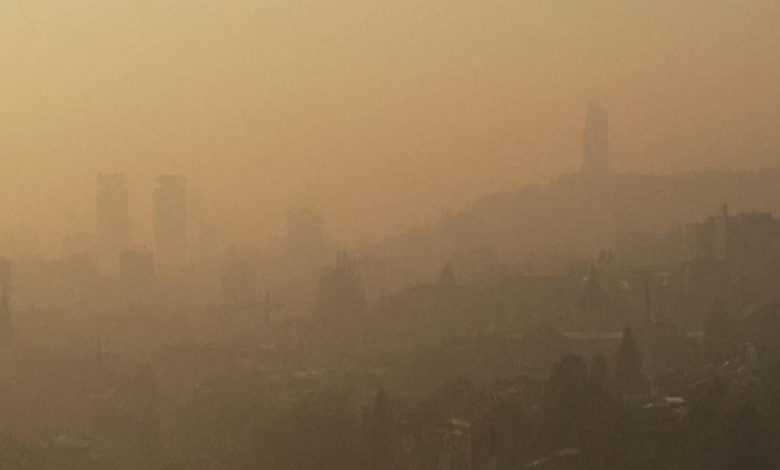
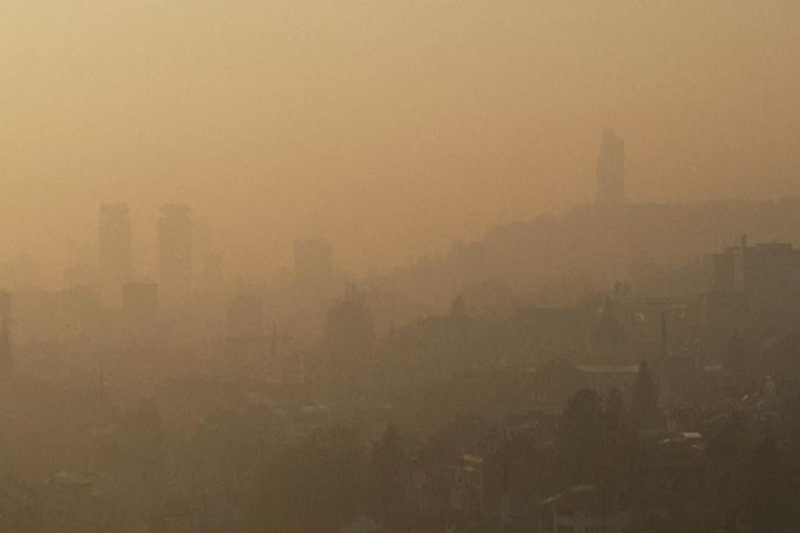
Sarajevo’s winter air can shift from unpleasant to hazardous with alarming speed. The city sits in a narrow valley ringed by mountains, and that basin geography traps cold air, fog, and pollution close to the ground during temperature inversions. When emissions from traffic and home heating pile up under that lid, the result can be dense smog and extremely high particulate levels. Reuters reported that in December 2025 Sarajevo imposed temporary vehicle restrictions after being ranked the world’s most polluted city on consecutive evenings, while IQAir said the city again hit hazardous conditions in January 2026.
Basin Geography Turns Winter Into A Pollution Trap
The geography matters because Sarajevo does not ventilate like a windy coastal city. Pollution can linger over the basin, especially during cold, still winter days. Recent scientific work on Sarajevo’s urban pollution found winter fine-particle patterns intensify sharply in the heating season, while another 2025 analysis noted that PM2.5 makes up a very large share of winter particulate pollution in the city. That helps explain why visibility drops so quickly and why short pollution episodes can feel severe on the ground.
Traffic Adds A Constant Layer Of Emissions
Cars and trucks are not the only source, but they are a steady one. The European Environment Agency says Bosnia and Herzegovina’s winter air pollution is driven largely by traffic, industrial activity, and households using solid fuels. In Sarajevo, traffic becomes more damaging when inversion conditions stop exhaust from dispersing. That is why emergency responses have included bans on some heavier vehicles during acute episodes rather than relying only on public warnings.
Solid-Fuel Heating Is The Harder Problem
The deeper issue is household heating. A World Bank review of air-quality management in Canton Sarajevo says air quality is worst in winter when many households burn solid fuels for domestic heating and cooking, and some monitoring stations exceeded PM10 limits for more than 80 days in 2021, with Ilijaš above 120 days. New source-tracking research highlighted wood and coal among the main contributors to Sarajevo’s smog. This is why cleaner heating is discussed so often, even though switching systems remain expensive for many families.
The Health And Policy Warning Is Already Clear
This is no longer just a seasonal inconvenience. The EEA estimates around 3,300 premature deaths a year in Bosnia and Herzegovina from PM2.5 exposure, with about 9% of total annual mortality linked to air pollution. Sarajevo’s winter air tells a broader story about infrastructure, energy poverty, and urban transport colliding in one basin-shaped capital. Official news post reference: WION’s X update on Sarajevo’s emergency pollution measures.
FAQs
Why does Sarajevo’s air get worse in winter?
Cold inversions trap pollution, while heating demand and traffic emissions rise sharply across the city.
Does Sarajevo’s geography really affect pollution levels?
Yes, the surrounding mountains and basin shape prevent polluted air from dispersing quickly in winter.
Is traffic the main cause of Sarajevo smog?
Traffic is important, but household solid-fuel heating is a major winter pollution source too.
What kind of pollution is most dangerous there?
Fine particulate matter, especially PM2.5, is the main winter health risk in Sarajevo’s smog.
Have officials taken action during severe episodes?
Yes, authorities have issued warnings and temporarily restricted some vehicles during hazardous air events.