Saltwater Intrusion In Alexandria: How Rising Seas Are Reaching Aquifers
Rising Mediterranean seas are pushing saltwater into Alexandria’s coastal aquifers, threatening groundwater quality, soil stability, and infrastructure across Egypt’s historic port city.

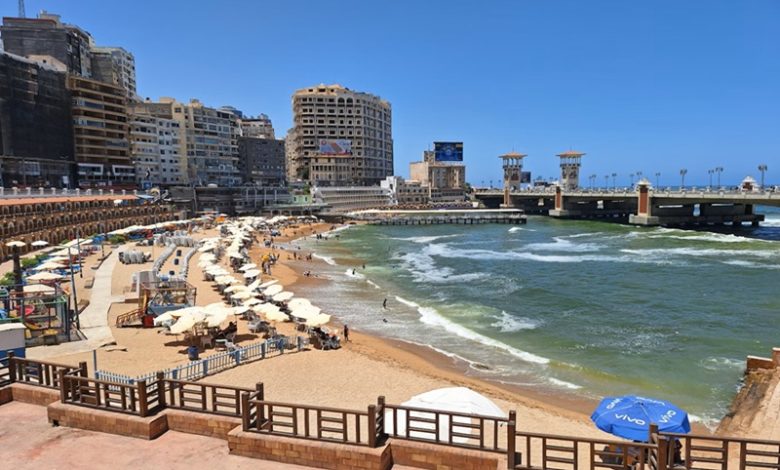
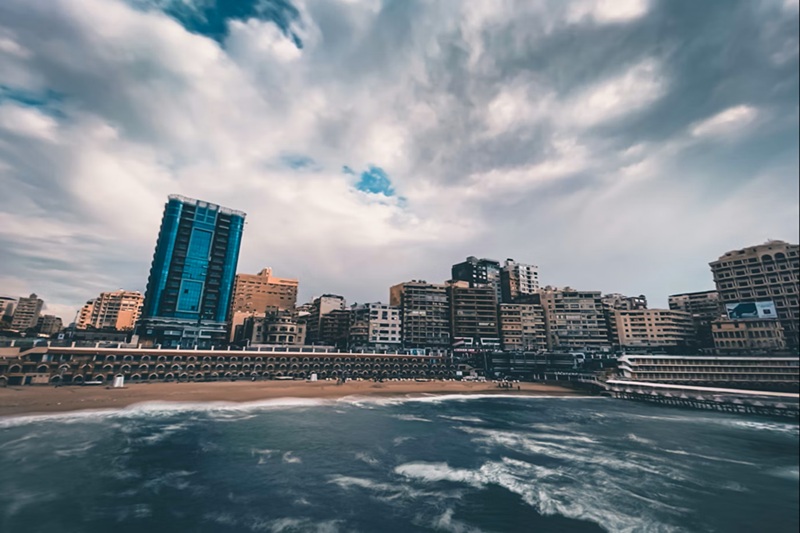
Alexandria’s problem is not only what the Mediterranean does on the surface. It is also what the sea does underground. As sea levels rise, saltwater pushes into the fresh groundwater stored beneath coastal land, and that changes the chemistry of aquifers that homes, soils, and old foundations depend on. In Alexandria, this process has become harder to ignore because the city is already dealing with shoreline retreat, stronger wave action, land subsidence, and visible damage to buildings near the coast.
Reuters reported that parts of Alexandria’s shoreline have shifted inland by an average of about 3.5 metres a year over the past two decades, while recent research linked the city’s surge in building collapses to seawater intrusion and coastal erosion.
What Rising Seas Are Doing Below Ground
A coastal aquifer works like a fragile balance. Fresh groundwater sits underground, but near the sea it meets heavier saltwater. When sea level rises, that salty edge pushes farther inland. If the land is low, sandy, and already stressed by erosion, the movement speeds up. That is why Alexandria is so exposed. The city sits on a narrow coastal strip beside the Nile Delta, and researchers have found that rising seas are increasing seawater intrusion and even lifting groundwater levels in shallow coastal aquifers.
The damage does not stay underground. Salty groundwater weakens soil, corrodes buried materials, and can undermine building foundations from below. That is one reason the Alexandria story has become so widely discussed in the last year. A USC-led study, echoed in later reporting, found that annual building collapses in Alexandria rose from about one a year to roughly 40 a year over the past decade.
Why Sea Walls Alone Do Not Fully Fix It
Hard coastal barriers can slow wave attack, but they do not fully stop saltwater from moving under the ground. Reuters’ video reporting on Alexandria made that point clearly: breakwaters and sea walls cannot prevent saltwater from getting beneath the city’s foundations. That is why experts keep saying the issue is not just flooding. It is seepage, pressure, and long-term salinisation below street level.
The Story Around Alexandria Is Getting Bigger
This has turned into more than a local engineering issue. It now sits inside a wider climate story about historic coastal cities losing stability from beneath. Recent coverage from Reuters and The Guardian has pushed Alexandria back into global discussion, while climate-focused outlets and public explainers have highlighted Egypt’s shoreline protection work. Reuters’ report is a useful external read, and Climate Defenses also posted an Instagram explainer on Alexandria’s coastal protection push.
FAQs
1. What Is Saltwater Intrusion?
Saltwater intrusion happens when seawater moves into freshwater underground, making aquifers saltier and less usable.
2. Why Is Alexandria So Vulnerable?
Alexandria is low-lying, coastal, sandy, subsiding, and already exposed to erosion and sea-level rise.
3. Can Saltwater Intrusion Damage Buildings?
Yes, saline groundwater can weaken soils, corrode materials, and reduce stability under older foundations.
4. Do Sea Walls Stop Underground Seepage?
No, barriers reduce wave impact, but saltwater can still move below ground inland.
5. Why Is This Story Trending Again?
Recent studies and Reuters coverage linked rising seas with Alexandria’s sharp increase in building collapses.