Leaks Beneath Rome: The Price of Lost Urban Water
Rome loses massive treated water through aging pipes and system gaps. Here’s how non-revenue water drains public money and worsens urban water stress.

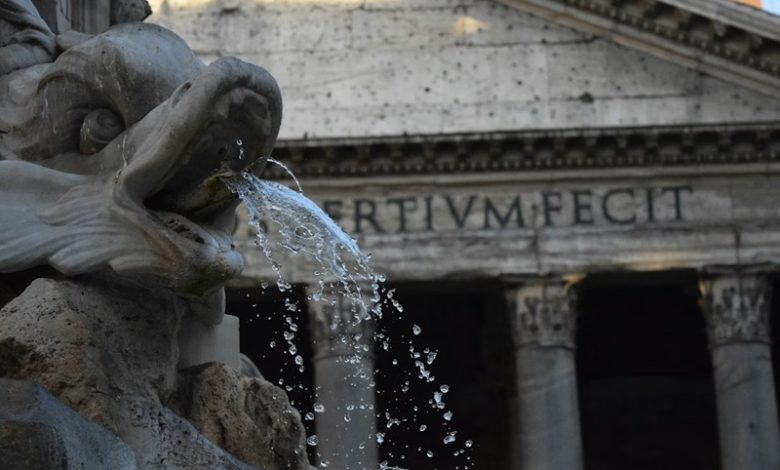
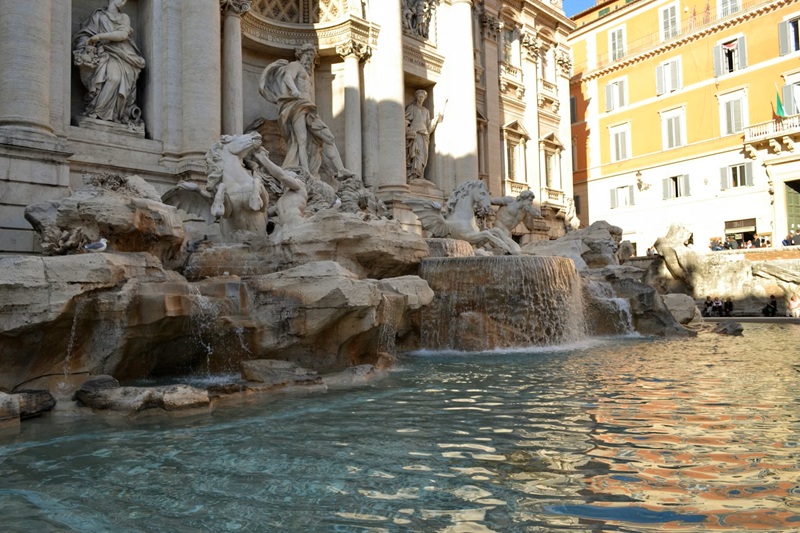
Rome sells a postcard image of fountains, river walks, and “eternal” infrastructure. Then a pipe bursts and the romance disappears in a few hours. On 2 February 2026, a major leak on Via Prenestina forced road closures and repairs, with residents dealing with pressure drops and service disruption.
That kind of moment is the visible tip of a quieter problem: Non-Revenue Water (NRW). It is water that gets treated and pumped, then never gets paid for because it leaks out, gets mismeasured, or is taken illegally. In Italy, public networks lose over 40% of supplied water in leaks, according to the European Commission’s Water Wise EU profile.
Where Rome’s Losses Really Come From
Rome’s network is old, complicated, and constantly under street pressure from traffic and construction. The city’s main operator, Acea Ato 2, reports that overall losses have been trending down, and that the Rome network’s total losses were around 27.8% in 2022 (roughly flat versus 2021). Even with progress, that still means a huge slice of treated water never reaches a paying tap.
Why Non-Revenue Water Hurts Rome Twice
First, NRW is a drought amplifier. Reuters, citing Italy’s statistics agency ISTAT, has warned that worsening leakage leaves the country more exposed as rainfall patterns shift and dry spells stretch out. Second, NRW is an energy bill you can’t see: every lost litre was filtered, pumped, and pressurised anyway.
And the “trend story” is that leaks are no longer just background noise. A burst can trigger school changes, traffic mess, and panic buying at local shops. Rome has lived those headlines more than once, and residents remember the day their neighbourhood turned into a queue for water.
If you want one official place to follow how the utility talks about network work and water issues, Acea’s own Instagram.
The Fix Is Boring, And That’s The Point
Reducing NRW is not a slogan. It’s pressure management, district meters, leak detection, faster repairs, and swapping pipe sections before they fail. Acea says major interventions since 2017 helped cut leakage volumes substantially over time.
FAQs
1. What exactly is non-revenue water?
Water produced but unpaid due to leaks, theft, meter errors, and billing gaps.
2. Is Rome improving or getting worse?
Acea reports Rome network losses around 27.8% in 2022, slightly improving long-term.
3. Why do bursts happen so suddenly?
Ageing pipes, pressure swings, ground movement, and traffic loads can crack weak sections overnight.
4. Does NRW matter during drought periods?
Yes, leaks waste scarce supply and force more pumping, raising costs during restricted conditions.
5. What’s the fastest way to cut NRW?
Pressure control, district monitoring, rapid repairs, and replacing high-failure pipe segments on schedule.